 Nanjing Baigang Composite Materials Co., Ltd.
Nanjing Baigang Composite Materials Co., Ltd.
Nanjing Baigang Composite Materials Co., Ltd.
Nanjing Baigang Composite Materials Co., Ltd.
Nanjing Baigang Composite Materials Co., Ltd.
24-Hour Service Hotline
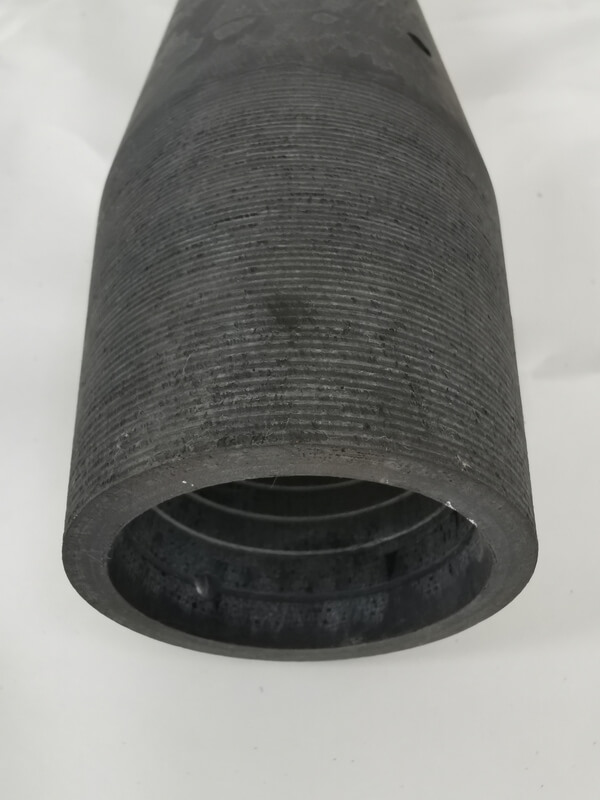
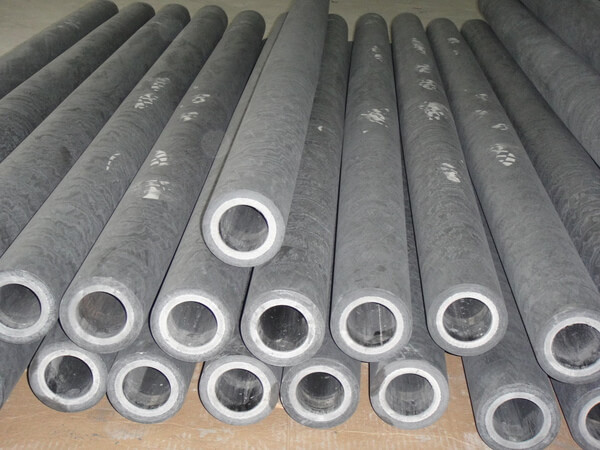
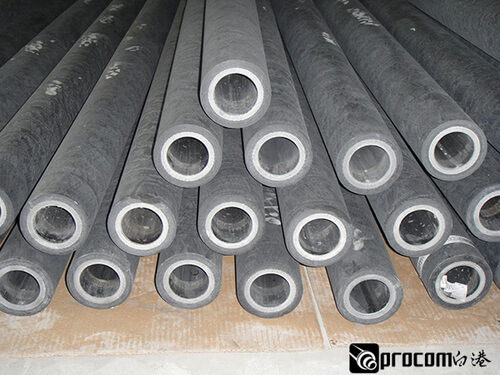
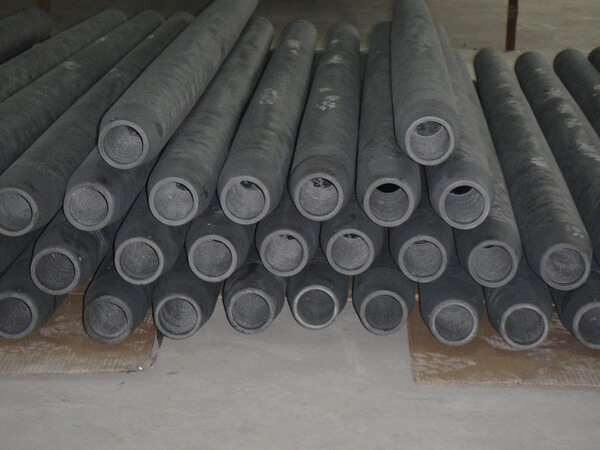
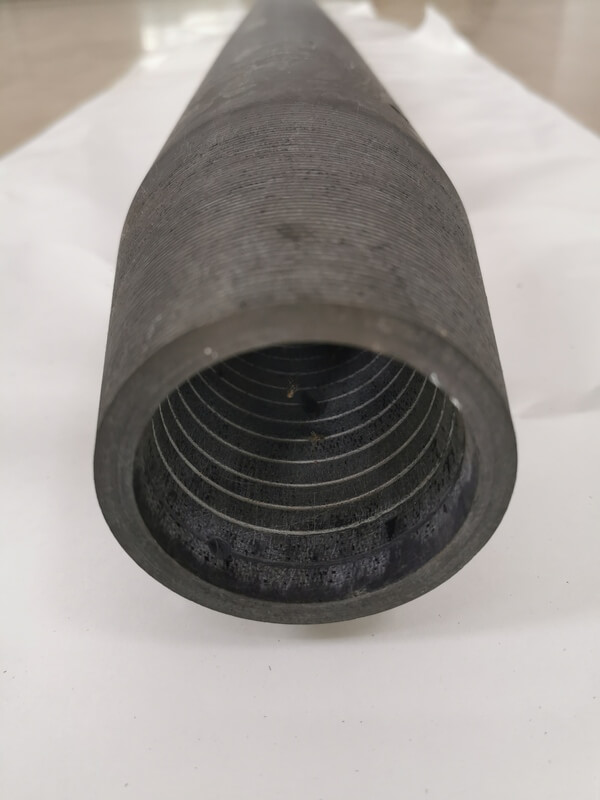
Nanjing Bai Gang Composite Materials Co., Ltd. introduces the carbon fiber shaft coupling, a power transmission component assembled with precision from carbon fiber reinforced composite materials and metal joints at both ends. Designed to replace traditional steel shaft couplings, it aims to achieve efficient torque transmission between the power units at both ends of the equipment. The carbon fiber shaft coupling, with its excellent lightweight characteristics, high torsional rigidity, and excellent fatigue and corrosion resistance, shows broad application prospects in various industrial fields such as wind power generation, cooling tower fans, papermaking, and textile.
Lightweight design with significant weight reduction
Compared to traditional steel shafts, carbon fiber shafts can achieve a weight reduction of 40%-65% under the same torque-bearing conditions. This feature is attributed to the high strength and low density of carbon fiber materials, which allow the product to maintain high load-bearing capacity while significantly reducing overall weight, thereby helping to lower energy consumption and improve operational efficiency.
2. High torsional rigidity, stable operation at high speed
Carbon fiber shafts feature excellent torsional rigidity, effectively resisting bending deformation even under high-speed operation conditions, ensuring the accuracy and stability of power transmission. This characteristic makes the product excel in high-speed, high-torque applications, such as the power transmission of wind turbine generators.
3. Fatigue and corrosion resistant, suitable for harsh working conditions
Carbon fiber materials possess excellent fatigue and corrosion resistance, enabling them to operate for long periods under harsh conditions such as humidity and outdoor environments without easily rusting or aging. This feature extends the service life of the product, reduces maintenance costs, and enhances the overall reliability of the equipment.
4. Excellent damping performance, reducing operating noise
Carbon fiber materials can achieve damping 10 times that of steel, effectively absorbing vibrations during operation and suppressing resonance phenomena, thereby reducing operating noise. This feature gives the product a significant advantage in applications requiring low noise operation, such as power connections for industrial equipment in papermaking and textile industries.
5. Customized design to meet various demands
Carbon fiber shafts offer flexible customization services. The forming length of a single carbon tube matrix is generally within 6 meters, and the assembled length after multi-section tube flange connection can reach up to 10 meters; diameters can be customized from Φ40mm to Φ600mm. During the production stage, the carbon fiber laying angle and layer number can be adjusted according to project requirements to match the required torque and speed; metal joints such as flanges and universal joints at both ends can also be selected and processed as needed to ensure perfect adaptation to various application scenarios.
6. Strict inspection, quality assurance
Each finished carbon fiber shaft must undergo strict processes such as vibration, dynamic balancing, and torque testing before leaving the factory to ensure it meets high-quality standards and can operate stably and reliably in various industrial equipment.
Carbon fiber shafts, with their exceptional performance and flexible customization services, show a broad application prospect in various industrial fields. Mainly including:
Q1: What are the advantages of carbon fiber shafts over traditional steel shafts?
A1: Carbon fiber shafts have significant advantages over traditional steel shafts, including significant lightweight effects (reducing weight by 40%-65%), strong torsional rigidity, fatigue and corrosion resistance, superior damping performance (reducing operating noise), and flexible customized design. These advantages make carbon fiber shafts excel in high-speed, high-torque, and harsh operating conditions.
Q2: What are the contents of the customization service for carbon fiber shafts?
A2: Customized services for carbon fiber shafts include length, diameter, carbon fiber lay-up angle, number of layers, and optional processing of metal joints at both ends. We can design and produce carbon fiber shafts that fully meet the project requirements based on the specific needs of the customer.
Q3: What should be noted during the use of carbon fiber connecting shafts?
A3: During use, it is necessary to avoid impacts or scratches on the composite material tube of the carbon fiber shaft, as cracking damage cannot be locally repaired and requires a full replacement. In addition, regular equipment inspections and maintenance to ensure that the fasteners and metal joints of the connecting shaft are in good condition are also crucial for the long-term stable operation of the product.
Q4: How long is the service life of the carbon fiber shaft?
A4: The lifespan of carbon fiber shafts is affected by various factors, including operating conditions and maintenance. Under normal operation and maintenance conditions, carbon fiber shafts have a longer service life, which can significantly reduce equipment maintenance costs and downtime.
Q5: How to choose the appropriate carbon fiber shaft model?
A5: Selecting the appropriate carbon fiber shaft model requires considering specific project requirements, including torque, speed, length, diameter, and other parameters. Our professional team can recommend the most suitable model or design a non-standard model based on the information provided by the customer, ensuring perfect adaptation to various application scenarios.