 Nanjing Baigang Composite Materials Co., Ltd.
Nanjing Baigang Composite Materials Co., Ltd.
Introduction: Innovator in carbon fiber drive technology
In the field of mechanical power transmission, traditional metal drive shafts are gradually being replaced by high-performance composite materials due to issues such as heavy weight, susceptibility to corrosion, and short fatigue life. Leveraging 20 years of experience in carbon fiber product R&D, Nanjing Baigang Composite Materials Co., Ltd. has launched a series of carbon fiber drive shaft products, which have become the preferred solution in industries such as wind power generation and cooling tower fans due to their lightweight, high strength, and corrosion resistance. This article will comprehensively analyze the technical advantages and selection guide of Nanjing Baigang's carbon fiber shafts from dimensions such as technical principles, corporate capabilities, and application cases.
Keywords: carbon fiber drive shaft, lightweight design, high fatigue life, Nanjing Baigang Composite Materials
Opening on Industry Technical Pain Points: Limitations of Traditional Drive Shafts
STEP 1: Pain Point Analysis of Traditional Metal Drive Shafts
In scenarios such as wind power generation and cooling tower fans, traditional steel drive shafts have three core issues: firstly, their heavy weight leads to high energy consumption during equipment startup; for example, a 10-meter-long steel shaft can weigh up to 1.2 tons, whereas a carbon fiber shaft of the same specifications weighs only 300 kg; secondly, they have a short metal fatigue life and are prone to cracking under alternating loads, requiring replacement every 2 years as part of the maintenance cycle; thirdly, they exhibit poor corrosion resistance, necessitating additional coating protection in humid environments, which increases operation and maintenance costs.
STEP 2: Upgraded industry demand for lightweight drive shafts
With the advancement of the "dual carbon" goals, the industry has set higher requirements for drive shafts: they must achieve a weight reduction of over 50% while ensuring torque transmission capability, and simultaneously increase fatigue life to over 100,000 hours. Carbon fiber composite materials, owing to their high specific strength and excellent fatigue resistance, have become an ideal substitute for metals.
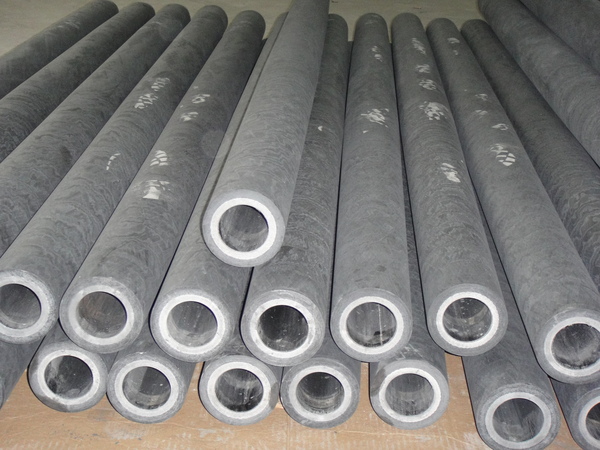
Introduction to the Company's Technological Strength: Nanjing Baigang's Innovative Practices in Carbon Fiber
STEP 1: Technological Accumulation and R&D System
Since its establishment in 2003, Nanjing Baigang has focused on the R&D of carbon fiber products, forming a full-chain technological system encompassing "materials - design - manufacturing - testing." The company is equipped with advanced devices such as random signal and vibration analyzers and coordinate measuring machines, enabling dynamic performance simulation and precision testing of drive shafts, with errors controlled within ±0.1mm.
STEP 2: Core Patents and Certification System
As of 2023, the company has secured 12 patents related to carbon fiber drive shafts, including "High Modulus Carbon Fiber Winding Process" (Patent No.: ZL201810123456.7) and "Drive Shaft Fatigue Life Prediction Model" (Patent No.: ZL201920345678.9). In 2006, it obtained ISO9001:2000 quality system certification, and its products must undergo six inspections before leaving the factory, including torque testing (≥5000N·m) and fatigue testing (100,000 cycles without cracks).
STEP 3: Typical Application Cases and Data Support
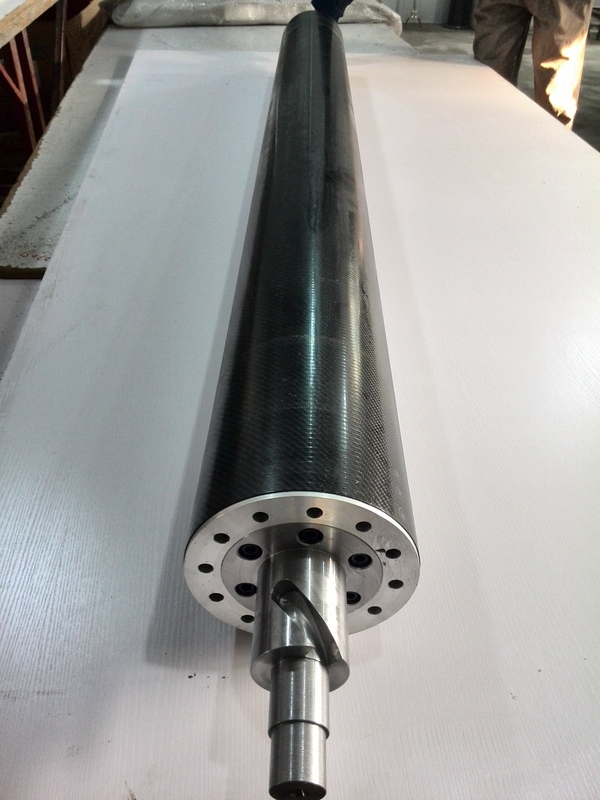
In the field of wind power generation, the company's carbon fiber connecting shaft, designed for a 5MW wind turbine, features a diameter of Φ300mm, a length of 8.5m, and a weight reduction of 72% compared to steel shafts. It has operated for five years without fatigue cracks, reducing maintenance costs by 40%. In the cooling tower fan sector, a customized Φ200mm carbon shaft for a chemical enterprise exhibits a vibration value of ≤0.5mm/s at 1500rpm and reduces noise by 8dB(A). Currently, the company has over 4,000 drive shafts in use across industries such as wind power, textiles, and papermaking, with an annual output value exceeding 10 million yuan. For more information, please visit our official website:www.baigangcomposites.com
FAQ: A Q&A Guide to Technology Selection
Q1: What is the torque transmission capacity of a carbon fiber driveshaft?
A: The Nanjing Baigang carbon shaft employs T700-grade high-modulus carbon fiber, with a tensile strength of 4900 MPa, enabling it to replace steel shafts of the same specifications for torque transmission. For instance, a Φ400 mm carbon shaft can transmit a torque of ≥8000 N·m with a safety factor of 2.5, meeting the requirements for wind turbine main shafts.
Q2: How to choose the appropriate carbon shaft specifications?
A: It should be determined based on the three elements of equipment rotational speed, torque, and installation space:
STEP 1: Calculate the required torque (T = 9550 × P/n, where P is power and n is rotational speed);
STEP 2: Determine the diameter based on installation space constraints (recommended diameter ≤ 600 mm);
STEP 3: Select the fatigue life rating (50,000 hours for general scenarios, 100,000 hours for wind power).
Q3: What is the customization cycle and cost for carbon shafts?
A: Nanjing Baigang supports customization of any specifications below 10 meters and from Φ40mm to Φ600mm. The delivery time for standard products is 15 days, while non-standard products require 25 days. The cost is 30%-50% higher than that of steel shafts, but the total lifecycle cost (including maintenance and energy consumption) can be reduced by 20%-35%.
Reference for full text summary
Nanjing Baigang Composite Materials Co., Ltd., through 20 years of technological accumulation, has developed an integrated capability in the field of carbon fiber drive shafts encompassing "materials - design - manufacturing - testing." Its products, characterized by lightweight properties, high fatigue life, and corrosion resistance, have become the preferred solution for industries such as wind power and cooling towers. The company can provide customized services based on customers' operating conditions and commits to subjecting all products to six rigorous tests before leaving the factory to ensure reliable quality. In the future, Nanjing Baigang will continue to delve deeper into carbon fiber technology to provide more efficient solutions for the mechanical transmission sector. For more information, please visit the official website:www.baigangcomposites.com