 Nanjing Baigang Composite Materials Co., Ltd.
Nanjing Baigang Composite Materials Co., Ltd.
Nanjing Baigang Composite Materials Co., Ltd.
Nanjing Baigang Composite Materials Co., Ltd.
Nanjing Baigang Composite Materials Co., Ltd.
24-Hour Service Hotline
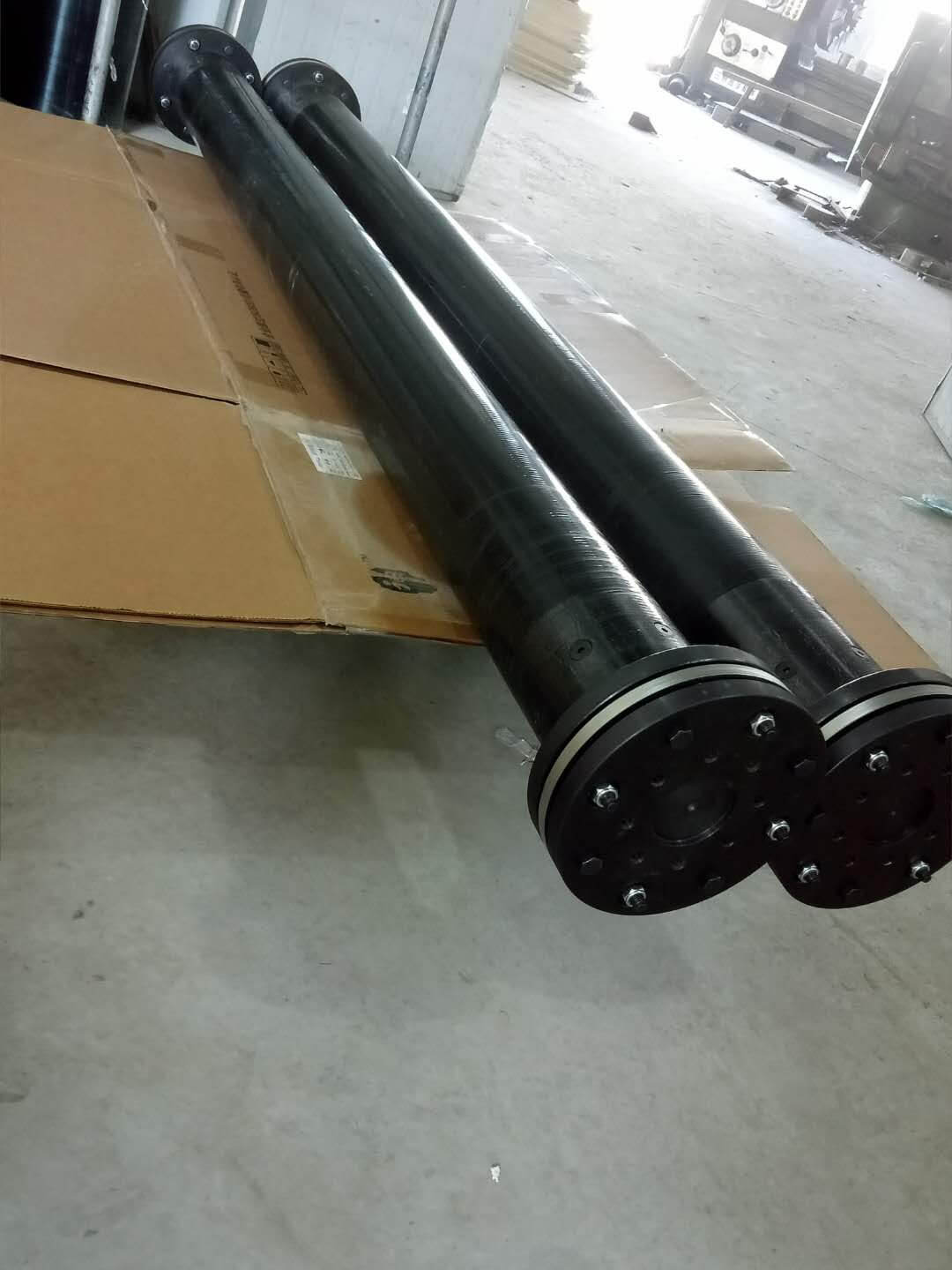
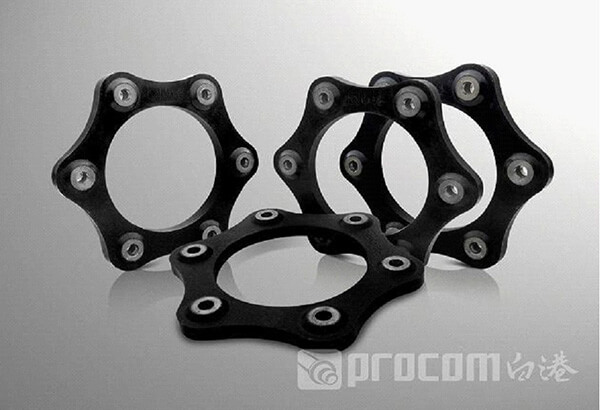
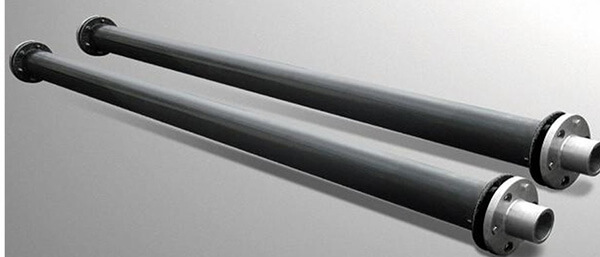
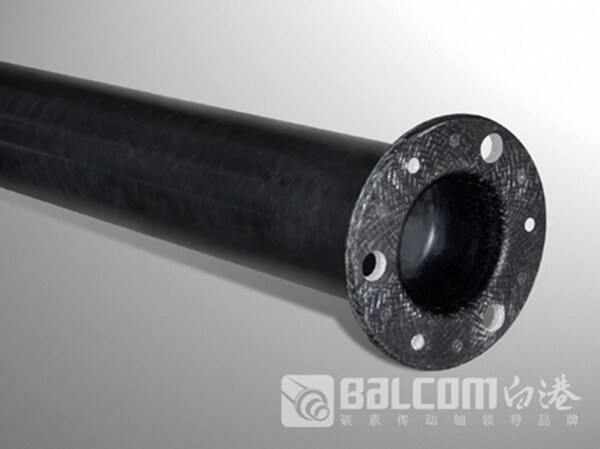
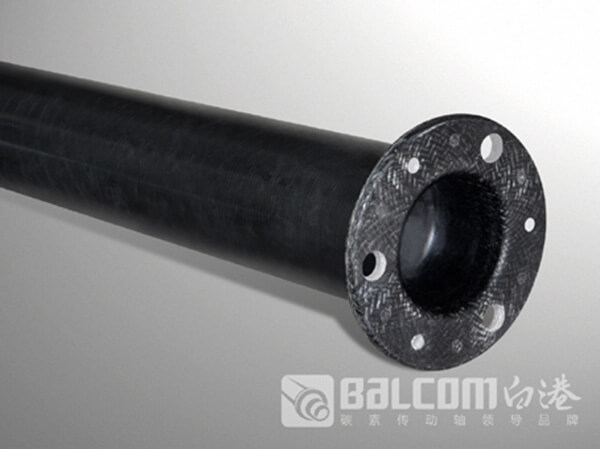
Nanjing Bai Gang Composite Materials Co., Ltd. introduces its carbon fiber drive shaft, an advanced core transmission component made with state-of-the-art carbon fiber reinforced composite materials, replacing traditional metals like steel and aluminum. Designed for various equipment such as automobiles, ships, cooling towers, textile machinery, etc., this product aims to efficiently transmit power to turbines, fans, and other actuators, achieving lightweight and high-performance power transmission. The carbon fiber drive shaft, with its unique material advantages, demonstrates excellent performance in the power transmission field, becoming an ideal choice for upgrading and replacing modern industrial equipment.
Extreme lightweight, significant performance improvement
The highlight of the carbon fiber drive shaft lies in its extreme lightweight design. Compared to traditional steel shafts, its weight can be reduced by 50%-60%, which brings a leap in multiple performance aspects:
2. High strength, long lifespan
Carbon fiber drive shafts also excel in terms of strength. They have excellent torsional resistance, being less prone to deformation and fracture than steel drive shafts under the same diameter conditions. Additionally, carbon fiber materials are characterized by their fatigue and corrosion resistance, which extend the service life of the drive shaft, reduce the frequency of replacement, and lower maintenance costs.
3. Excellent safety performance
In terms of safety performance, carbon fiber drive shafts are also reliable. When the component fails, it shatters into tiny fragments to absorb impact energy, avoiding bending and twisting like metal drive shafts, thus preventing severe secondary damage to the matching equipment and ensuring the safety of both equipment and personnel.
4. Customized design to meet diverse needs
Carbon fiber drive shafts offer two mainstream forming processes: winding and rolling. Customized designs can be made according to customer requirements. Winding forms optimize the performance of the drive shaft by adjusting the angle of carbon fiber layup; rolling forms achieve precise performance customization by adjusting the angle of material tape placement and the number of layers, meeting special needs in different application scenarios.
Carbon fiber drive shaft, with its excellent performance, is widely used in various fields:
Q1: What are the advantages of carbon fiber drive shafts over traditional metal drive shafts?
A1: Carbon fiber drive shafts have significant advantages over traditional metal drive shafts. Firstly, they achieve extreme lightweight, with a weight reduction of 50%-60%, thereby enhancing power performance and fuel economy. Secondly, carbon fiber drive shafts feature high strength and long service life, excellent torsional resistance, fatigue and corrosion resistance. Additionally, they exhibit superior vibration and noise performance, excellent safety, and in the event of component failure, they shatter into small fragments to absorb impact energy, rather than bending and twisting like metal drive shafts.
Q2: What are the molding processes for carbon fiber drive shafts?
A2: The mainstream forming processes of carbon fiber driveshafts include winding and rolling. Winding involves wrapping impregnated resin carbon fiber strands around the surface of a mandrel, removing the mold after curing, and optimizing the performance of the driveshaft by adjusting the carbon fiber laying angle. Rolling involves placing the impregnated resin carbon fiber strips flat on the outer side of a mandrel, using hydraulic equipment for rolling, removing the mold after heating and curing, and achieving performance customization by adjusting the angle and layering of the strips.
Q3: Is the cost of carbon fiber drive shafts relatively high?
A3: Yes, the cost of carbon fiber drive shafts is relatively high. This is mainly due to the high input costs of raw materials, molding processes, and environmental protection production. However, considering the comprehensive benefits of lightweighting, high strength, and high performance, as well as the reduced energy consumption and maintenance costs over the long-term use, carbon fiber drive shafts still offer high cost-performance.
Q4: Can a carbon fiber drive shaft be repaired after damage?
A4: Carbon fiber drive shafts are basically irreparable after damage. Due to the limitations of their material properties and molding process, a complete replacement is usually required once the drive shaft is damaged. Therefore, attention should be paid to maintenance and care during use to prolong its service life.
Q5: How to choose the suitable carbon fiber drive shaft model?
A5: Selecting the appropriate carbon fiber drive shaft model requires considering multiple factors, including the equipment's transmission requirements, working conditions, and spatial limitations. It is recommended to communicate with the professional technical staff of Nanjing Bai Gang Composite Materials Co., Ltd., providing detailed application scenarios and requirements so that they can recommend the most suitable model and customized solutions for you.