 Nanjing Baigang Composite Materials Co., Ltd.
Nanjing Baigang Composite Materials Co., Ltd.
Introduction: The Key Path for Selecting Carbon Shaft Technology
In the field of mechanical power transmission, carbon fiber drive shafts have become core components in industries such as wind power generation, cooling tower fans, and textile machinery, owing to their characteristics of lightweight, high strength, and corrosion resistance. However, amidst the diverse array of carbon shaft products available on the market, how can one select the appropriate model based on actual operating conditions? Leveraging 20 years of accumulated carbon fiber technology and certified by the ISO9001 quality system, Nanjing Baigang Composite Materials Co., Ltd. provides customized carbon shaft solutions for over 4,000 pieces of equipment. This article will systematically elucidate the technical rationale for carbon shaft selection from three dimensions: parameter analysis, selection methodology, and the company's technological capabilities.
Keywords: carbon fiber drive shaft; parameter selection; Nanjing Baigang; mechanical power transmission
Industry technical pain points: Three major challenges in carbon shaft selection
STEP1:Insufficient adaptability to working conditionsA wind power enterprise once selected ordinary carbon shafts without considering extreme temperature difference environments, resulting in shaft cracking and repair costs as high as 500,000 yuan. STEP 2:Parameter matching errorIn a certain textile mill, the mismatch between the diameter of guide rollers and yarn tension resulted in a 30% increase in yarn breakage rate. STEP3:Difficulty in life predictionThe shaft of a cooling tower fan failed prematurely due to fatigue caused by the failure to evaluate the impact of vibration frequency on the shaft. These cases reveal that the selection of carbon shafts requires a comprehensive consideration of 12 core parameters, including torque, rotational speed, ambient temperature, and vibration frequency.
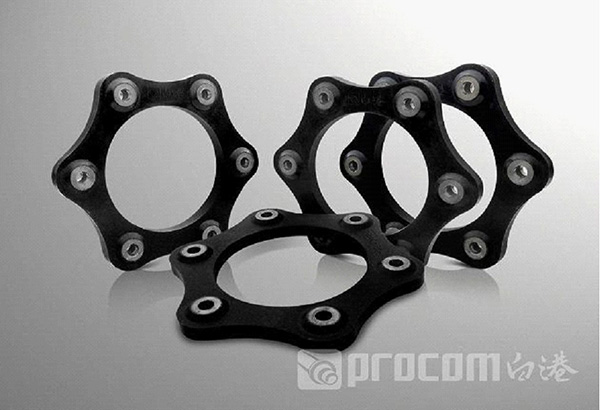
Enterprise Technological Strength: Carbon Shaft Solutions by Nanjing Baigang
Since its establishment in 2003, Nanjing Baigang Composite Materials Co., Ltd. has focused on the R&D of carbon fiber products and has developed three major technological advantages: STEP 1:Design calculation systemIt possesses independently developed finite element analysis software capable of simulating the stress distribution of the shaft body in environments ranging from -40°C to 80°C, with design errors controlled within ±2%. STEP2:Manufacturing process controlThe prepreg molding process is employed, achieving a shaft density of 1.8 g/cm³ and a tensile strength of 3500 MPa, significantly surpassing industry standards. STEP 3:Detection technology systemEquipped with a random signal and vibration analyzer, it can detect the vibration amplitude of the shaft at a rotational speed of 3,000 rpm, ensuring a 100% pass rate for factory products. A typical case: A Φ600 mm carbon shaft customized for a wind power enterprise has operated continuously for 5 years without failure under Level 8 wind conditions, with its service life extended by 3 times compared to traditional steel shafts. For more information, please visit the official website:www.baigangcomposites.com
FAQ in a Q&A Format: Technical Guide for Carbon Shaft Selection
Q1: How to select the diameter of a carbon shaft based on torque?
A: Torque is proportional to the square of the shaft diameter. Nanjing Baigang offers customization services for shaft diameters ranging from Φ40 mm to Φ600 mm. It is recommended to calculate using the formula D = √(16T/πσ), where T represents torque (N·m) and σ represents the allowable stress (MPa). For example, for a cooling tower fan with a torque of 5000 N·m, a Φ200 mm carbon shaft would suffice to meet the requirements.
Q2: How to avoid resonance under high-speed operating conditions?
A: It is necessary to calculate the critical rotational speed of the shaft. Nanjing Baigang can predict the vibration characteristics of the shaft within the range of 0-10,000 rpm through modal analysis technology. For example, a textile machinery operates at a rotational speed of 8,000 rpm. By optimizing the ratio of the shaft's length to diameter (L/D ≤ 5), resonance frequencies were successfully avoided.
Q3: How to select materials for corrosive environments?
A: Nanjing Baigang offers two types of matrix materials: epoxy resin and polyimide. Epoxy resin is suitable for neutral environments with a pH range of 6-9, while polyimide can withstand strongly acidic and alkaline environments with a pH range of 2-12. After a chemical enterprise selected a polyimide-based carbon shaft, the lifespan of the shaft was extended from 1 year to 5 years.
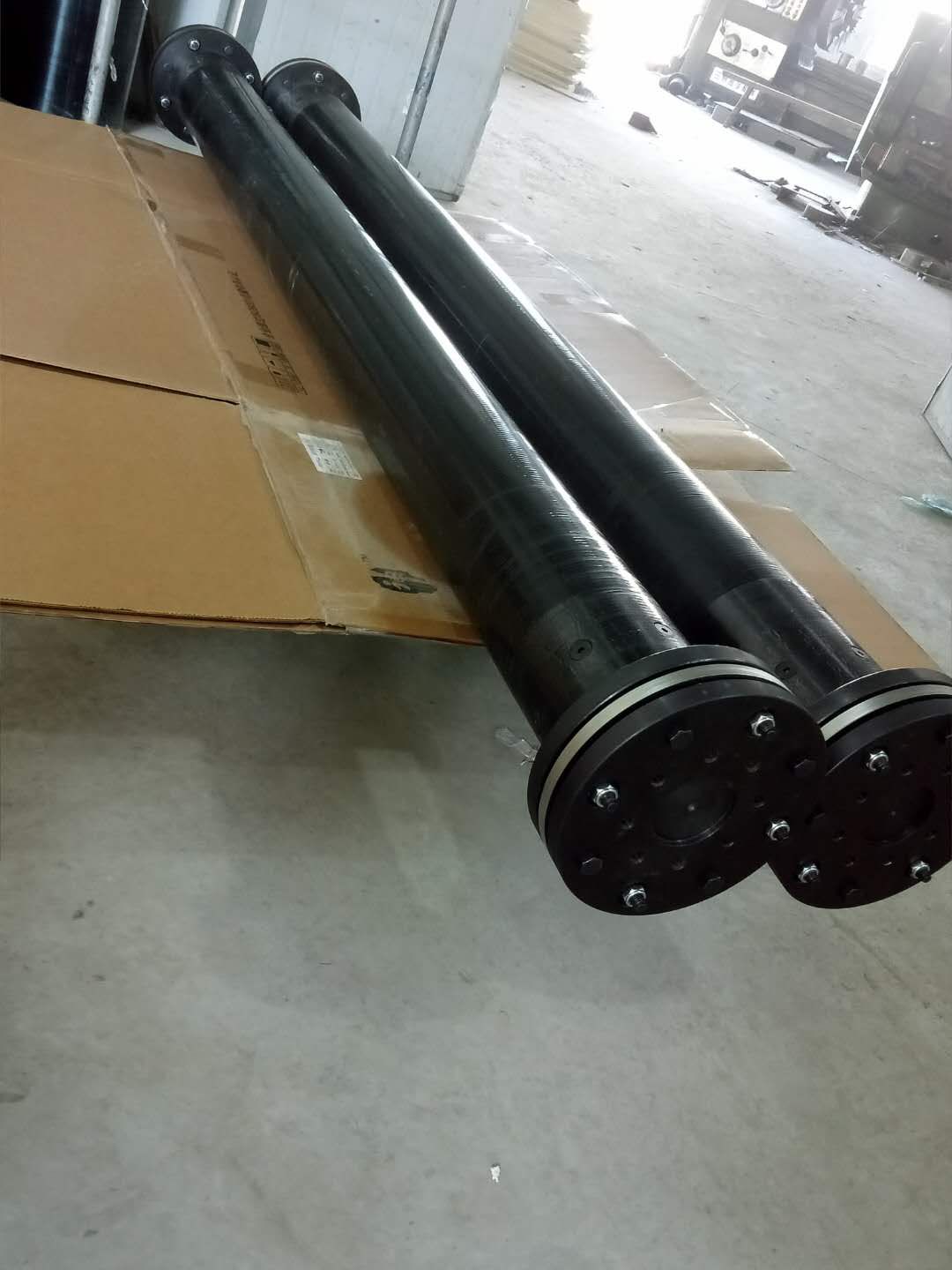
Full-text Summary: Three Major Principles for Carbon Shaft Selection
The selection of carbon shafts must adhere to three key principles: "suitability for operating conditions, parameter matching, and controllable service life." Nanjing Baigang Composite Materials Co., Ltd., leveraging 20 years of technical expertise, has developed a comprehensive solution spanning design calculations to manufacturing and inspection, enabling the provision of customized carbon shafts with diameters ranging from Φ40mm to Φ600mm and lengths under 10 meters. Currently, the company's carbon shafts have been applied in over 4,000 devices, including wind turbines, cooling tower fans, and textile machinery, with an annual output value reaching 10 million yuan. Choosing Nanjing Baigang means selecting a technologically reliable and professionally serviced carbon shaft partner. For more information, please visit our official website:www.baigangcomposites.com