 Nanjing Baigang Composite Materials Co., Ltd.
Nanjing Baigang Composite Materials Co., Ltd.
Introduction: Carbon Shaft Technology, the Innovative Force in Mechanical Power Transmission
In the field of mechanical power transmission, carbon shafts are gradually replacing traditional metal shafts as the new favorite of the industry due to their characteristics of being lightweight yet strong, corrosion-resistant, and fatigue-resistant. Nanjing Baigang Composite Materials Co., Ltd., a leader in the research, development, and production of carbon fiber products, leverages its advanced carbon shaft technology to provide efficient and reliable transmission solutions for fields such as wind power generation, cooling tower fans, and textile machinery. This article will delve into the technological innovations of Nanjing Baigang's carbon shafts and explore how they are reshaping the field of mechanical power transmission.
Keywords: Nanjing Baigang Carbon Shaft; carbon fiber technology; mechanical power transmission; technological innovation
Opening on industry technical pain points: Limitations and challenges of traditional metal shafts
In the field of mechanical power transmission, traditional metal shafts have long dominated. However, as equipment evolves toward higher speeds, heavier loads, and greater precision, the limitations of metal shafts have become increasingly apparent. Issues such as their significant weight, susceptibility to corrosion, and poor fatigue resistance not only increase equipment energy consumption but also shorten service life and raise maintenance costs. Particularly under harsh operating conditions, such as in wind turbines and cooling tower fans, the risk of metal shaft failure is higher, posing a bottleneck to industry development.
Introduction to the company's technological strength: Nanjing Baigang, the leader in carbon shaft technology
Nanjing Baigang Composite Materials Co., Ltd., since its establishment in 2003, has specialized in the research, development, and production of carbon fiber products, particularly accumulating extensive experience in the field of carbon shaft technology. The company possesses a set of mature design and calculation methods, which, combined with random signal and vibration analyzers and testing techniques, enable accurate prediction of the performance of carbon shafts under different operating conditions. Meanwhile, advanced manufacturing equipment and metrological inspection equipment ensure high-precision processing and strict quality control of carbon shafts.
STEP 1: Technical Principles and Architectural Design
The Nanjing Baigang carbon shaft, made of carbon fiber composite materials, achieves a perfect combination of lightweight, high strength, and corrosion resistance through optimized lamination structures and resin matrix selection. Its unique structural design effectively disperses stress concentration and enhances fatigue resistance. Additionally, the carbon shaft's low coefficient of thermal expansion enables it to maintain stable dimensional accuracy in environments with significant temperature variations, ensuring transmission efficiency.
STEP 2: Core Advantages and Suitable Scenarios
The core advantages of Nanjing Baigang's carbon shafts lie in their characteristics of being lightweight yet high-strength, corrosion-resistant, fatigue-resistant, and having a low coefficient of thermal expansion. These properties make them particularly suitable for fields such as wind power generation, cooling tower fans, and textile machinery, where transmission efficiency, service life, and reliability requirements are extremely high. For example, in the field of wind power generation, the application of carbon shafts significantly reduces the weight of the fans, lowers the starting torque, and improves power generation efficiency; meanwhile, their corrosion resistance effectively extends the service life of the fans in harsh environments.
STEP 3: Technical Parameters and Testing Indicators
Nanjing Baigang Carbon Shafts offers customization services, with lengths up to under 10 meters and diameters ranging from Φ40mm to Φ600mm, meeting the personalized needs of different customers. Its tensile strength can exceed 3500MPa, and flexural strength can surpass 2500MPa, far outperforming traditional metal shafts. Meanwhile, a rigorous factory inspection process, covering multiple indicators such as dimensional accuracy, surface quality, and mechanical properties, ensures that every carbon shaft meets high-standard requirements.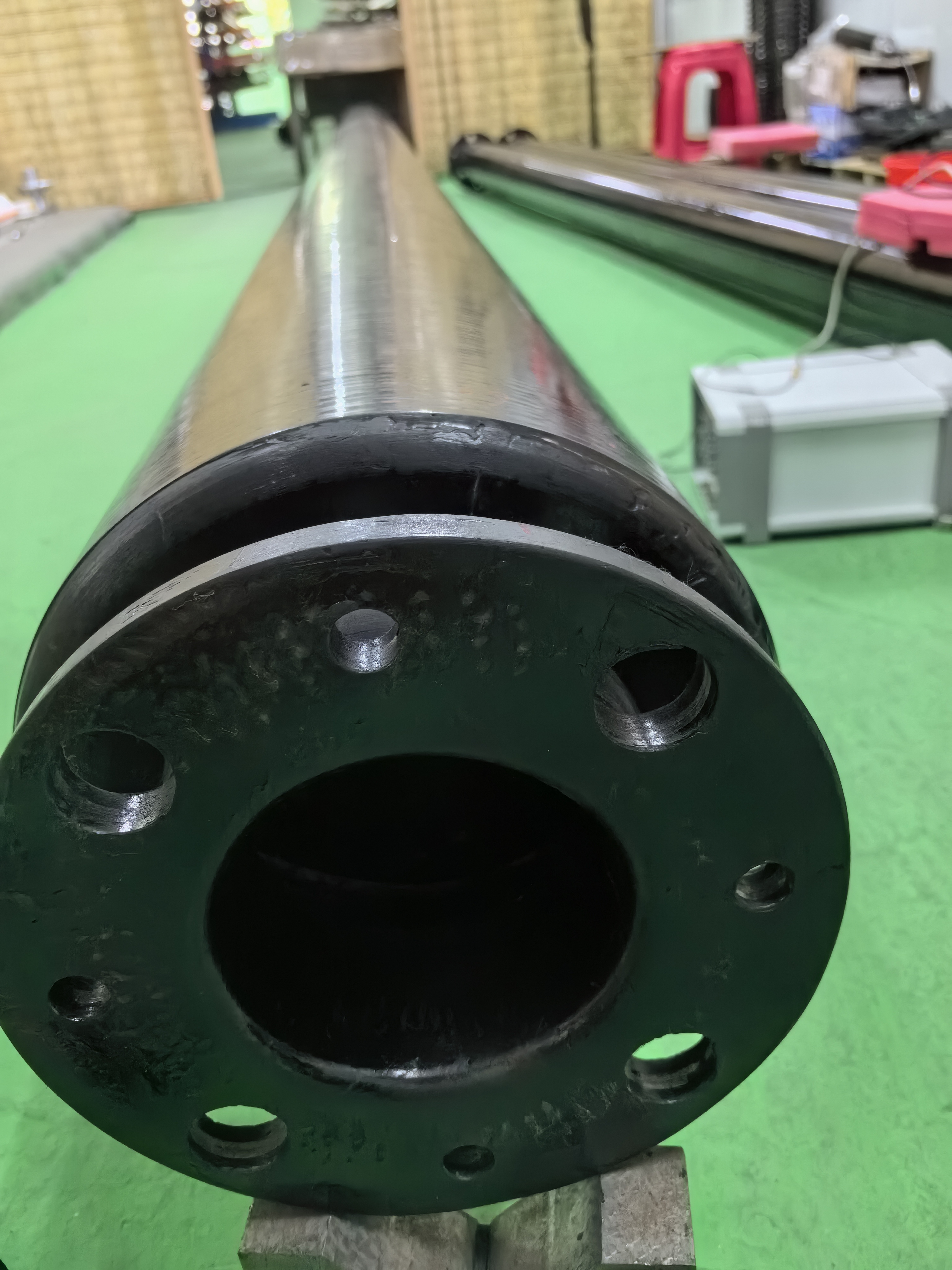
Real-world technical case: Application of carbon shafts in the field of wind power generation
In a large-scale wind power generation project, Nanjing Baigang provided customized carbon shaft solutions for wind turbines. By optimizing the structural design of the carbon shafts, the weight of the wind turbines was reduced, the starting torque was lowered, and the power generation efficiency was improved. Meanwhile, the corrosion resistance of the carbon shafts effectively extended the service life of the wind turbines in harsh coastal environments. After one year of project operation, customer feedback indicated a 10% increase in the transmission efficiency of the wind turbines and a 20% reduction in maintenance costs, achieving significant economic and social benefits.
For more information, please visit the official website:www.baigangcomposites.com
FAQ Q&A Technical Selection Guide
Q1: What are the advantages of carbon shafts over traditional metal shafts?
A1: Carbon shafts offer advantages such as lightweight with high strength, corrosion resistance, fatigue resistance, and low thermal expansion coefficient. These properties make them particularly suitable for fields with extremely high demands on transmission efficiency, service life, and reliability, such as wind power generation and cooling tower fans.
Q2: What customization services does Nanjing Baigang Carbon Shaft offer?
A2: Nanjing Baigang Carbon Shaft offers customization services for carbon shafts with lengths under 10 meters and diameters ranging from Φ40mm to Φ600mm. Customers can select appropriate specifications and performance parameters based on their specific needs.
Q3: How to ensure the quality of carbon shafts?
A3: Nanjing Baigang has a stringent quality control system encompassing multiple stages, including design calculation, manufacturing processing, and metrological inspection. Meanwhile, each carbon shaft undergoes relevant instrument testing and passes before being delivered to customers, ensuring high product quality.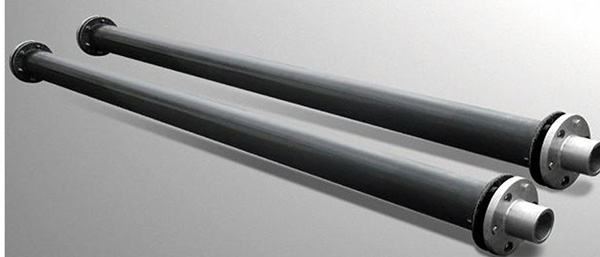
Reference for full text summary
Nanjing Baigang Composite Materials Co., Ltd., leveraging its advanced carbon shaft technology and extensive industry experience, provides efficient and reliable transmission solutions for the mechanical power transmission sector. Carbon shafts, with their characteristics of being lightweight yet strong, corrosion-resistant, and fatigue-resistant, are gradually replacing traditional metal shafts and becoming a new favorite in the industry. By optimizing structural design and selecting appropriate resin matrices and laminated structures, Nanjing Baigang's carbon shafts achieve a perfect combination of high performance and high reliability. Meanwhile, stringent factory inspection processes and customized services meet the personalized needs of different customers. In the future, with the continuous development of carbon fiber technology, Nanjing Baigang's carbon shafts will showcase their unique appeal in more fields and contribute more to the industry's development.