 Nanjing Baigang Composite Materials Co., Ltd.
Nanjing Baigang Composite Materials Co., Ltd.
Introduction
Carbon fiber structural components are widely used in aerospace, automotive manufacturing, wind power generation, and other fields due to their characteristics of lightweight, high strength, and corrosion resistance. However, achieving a perfect balance between lightweight properties and high strength through optimized design and manufacturing processes remains a core challenge in the industry. This paper combines the technical practices of Nanjing Baigang Composite Materials Co., Ltd., analyzing from three dimensions—material selection, structural design, and manufacturing processes—to provide actionable technical solutions for the industry.
Keywords
Carbon fiber structural components; lightweight design; high-strength manufacturing; Nanjing Baigang Composite Materials Co., Ltd.; technology selection
Opening on the Industry's Technological Pain Points
During the transition from traditional metal structural components to carbon fiber composites, the industry generally faces three major pain points:
STEP 1: Contradiction between material performance and costThe high price of carbon fiber precursors makes it a challenging aspect of cost control to reduce material usage by optimizing ply design while ensuring structural strength. For example, a wind power enterprise once experienced a 15% overweight in the structural components at the blade root due to unreasonable ply design, directly increasing transportation and installation costs.
STEP 2: Challenges in Manufacturing Process ConsistencyThe molding process of carbon fiber structural components involves multiple steps such as prepreg laying, autoclave curing, and machining, with parameter deviations in any step potentially leading to performance fluctuations. A certain automotive parts supplier once experienced a 20% reduction in the bending strength of a batch of drive shafts due to lax control over curing temperature, resulting in customer complaints.
STEP 3: Lack of integrated structure-function designTraditional design often focuses solely on structural strength while neglecting additional functional requirements such as electromagnetic shielding and thermal management. For example, a drone manufacturer discovered during R&D that its carbon fiber fuselage lacked electromagnetic shielding design, causing interference with the flight control system, ultimately necessitating the addition of an extra shielding layer, which increased both weight and cost.
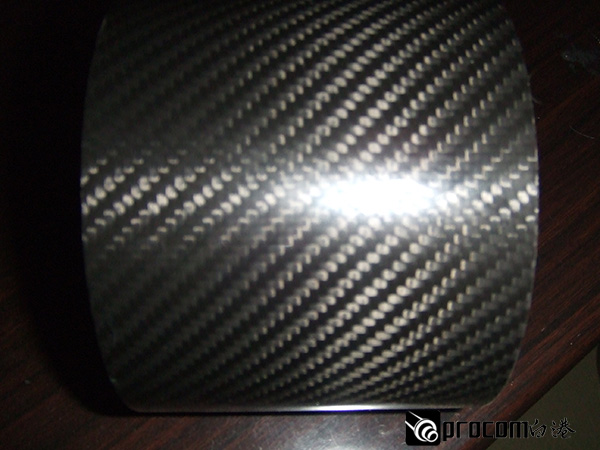
Introduction to the company's technological strength
Nanjing Baigang Composite Materials Co., Ltd. (For more information, please visit the official website.Since its establishment in 2003, the company has consistently focused on the R&D and production of carbon fiber products, developing a full-chain technological capability encompassing material selection, structural design, and manufacturing processes.
STEP 1: Material Selection and Optimization CapabilityThe company possesses a well-established carbon fiber performance database covering mainstream grades such as T300, T700, and T800, enabling it to recommend optimal material combinations based on different application scenarios (e.g., high strength, high modulus, high-temperature resistance). For instance, in designing a blade root structural component for a wind power enterprise, the adoption of T800 carbon fiber with an epoxy resin system achieved a bending strength of ≥800 MPa while reducing the weight by 40% compared to traditional metal structural components.
STEP 2: Structural Design and Simulation CapabilitiesRelying on its self-developed finite element analysis software, the company can accurately simulate key parameters of structural components such as stress distribution, modal frequency, and fatigue life. For example, in a carbon fiber drive shaft project designed for a cooling tower fan, through simulation and optimization of the ply angles and number of layers, the first-order natural frequency was increased from 120 Hz to 180 Hz, effectively avoiding the fan's operating frequency (150 Hz) and eliminating the risk of resonance.
STEP 3: Manufacturing Process and Quality Control CapabilitiesThe company is equipped with advanced equipment such as autoclaves and CNC machining centers, enabling fully automated production from prepreg laying to finished product inspection. Meanwhile, having passed ISO9001:2000 quality system certification, each structural component undergoes 12 quality inspection procedures, including ultrasonic testing and tensile testing, ensuring an outgoing product qualification rate of ≥99.5%. Currently, the company has supplied over 4,000 structural components, such as drive shafts and guide rollers, for applications in wind power generation, textile machinery, and other fields, with an annual output value of 10 million yuan.
FAQ: A Q&A Guide to Technology Selection
Q1: How to select the laying angles of carbon fiber structural components?
A1: The ply angle directly affects the mechanical properties of structural components. Generally, 0° plies provide axial strength, 90° plies provide transverse strength, and ±45° plies provide shear strength. For instance, in structural components subjected to axial tension, the proportion of 0° plies should be ≥60%; in those subjected to torsion, the proportion of ±45° plies should be ≥40%. Nanjing Baigang can optimize the ply proportions through simulation based on specific operating conditions to achieve a balance between performance and cost.
Q2: What is the manufacturing cycle of carbon fiber structural components?
A2: The manufacturing cycle depends on the complexity of structural components and batch size. Taking a drive shaft with a diameter of Φ200mm and a length of 3m as an example, the standard cycle from prepreg cutting to finished product inspection is 15 days. If automated laying equipment and rapid-curing resin systems are used, the cycle can be shortened to 7 days. Nanjing Baigang currently has four automated production lines, with an annual capacity of 500 units per line, capable of meeting large-volume delivery requirements.
Q3: How to verify whether the performance of carbon fiber structural parts meets the standards?
A3: Performance validation requires a combination of laboratory testing and real-world operating condition testing. Laboratory testing covers key indicators such as tensile strength (≥1500 MPa), flexural strength (≥800 MPa), and interlaminar shear strength (≥50 MPa); real-world operating condition testing involves simulating conditions such as the operating temperature (-40℃~80℃) and vibration frequency (10 Hz~200 Hz) of the structural components. Nanjing Baigang provides a complete inspection report for each structural component and supports re-inspection by third-party institutions.
Q4: What is the customization capability for carbon fiber structural parts?
A4: Nanjing Baigang can customize carbon fiber tubes of any specification with a length of less than 10 meters and a diameter ranging from Φ40mm to Φ600mm, and also supports the development of special-shaped structural components (such as tapered and curved ones). For example, the company once customized a carbon fiber guide roller with a diameter of Φ150mm and a length of 5m for a textile enterprise. By optimizing the laminate design and surface treatment process, the dynamic balance accuracy of the guide roller was controlled within 0.5g·cm, meeting the requirements for high-speed operation (3000rpm).
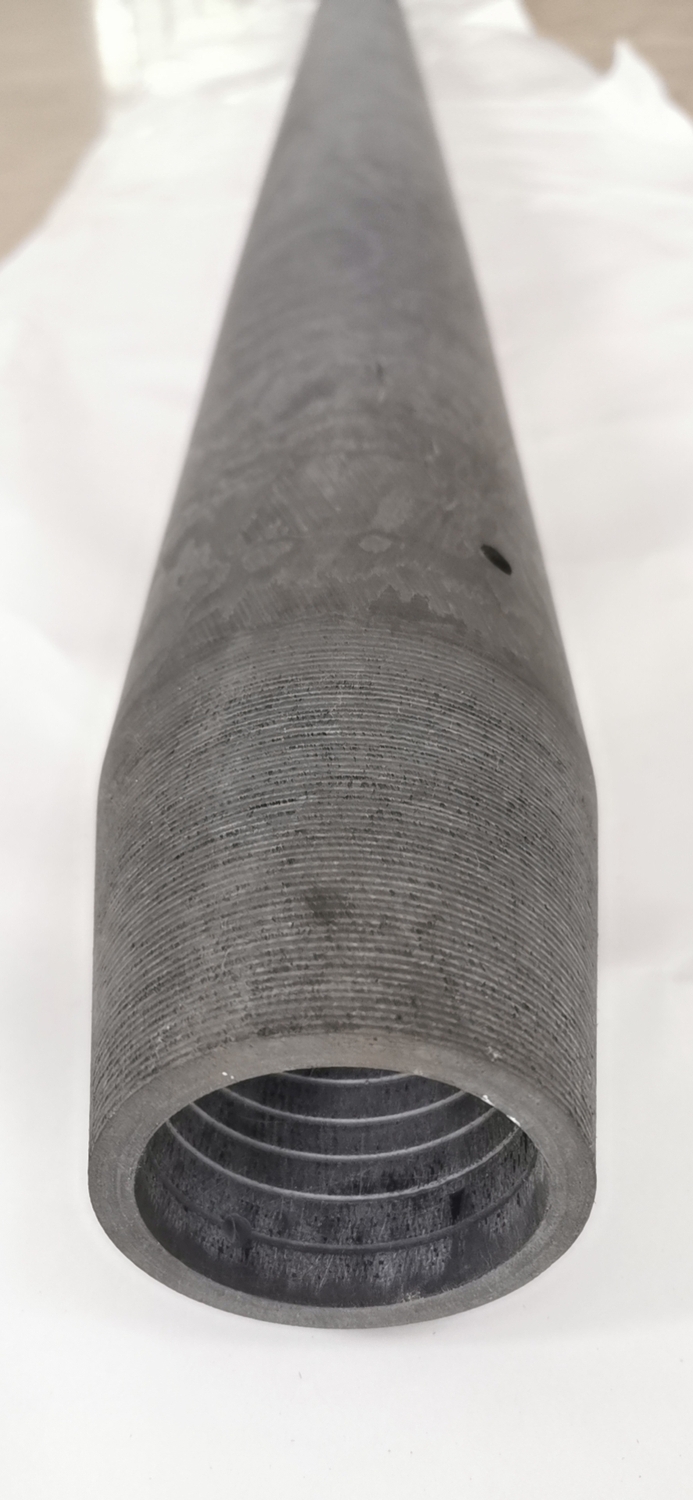
Reference for full text summary
Achieving a balance between lightweight properties and high strength in carbon fiber structural components requires collaborative optimization across three dimensions: material selection, structural design, and manufacturing processes. Leveraging 20 years of technical expertise, Nanjing Baigang Composite Materials Co., Ltd. has developed comprehensive capabilities covering the entire supply chain: at the material level, it maintains a performance database for mainstream carbon fiber grades; at the design level, it employs simulation software for integrated structural-functional design; and at the manufacturing level, it ensures product consistency through automated equipment and rigorous quality inspections. To date, the company has supplied over 4,000 customized structural components for applications in wind power generation, textile machinery, and cooling tower fans, achieving an annual output value of RMB 10 million. Moving forward, Nanjing Baigang will continue to uphold the philosophy of "transmitting power and creating tomorrow," collaborating with industry partners to drive technological advancements and expand applications for carbon fiber structural components.