 Nanjing Baigang Composite Materials Co., Ltd.
Nanjing Baigang Composite Materials Co., Ltd.
Introduction: Carbon Fiber Wound Products – An Industrial Solution Combining Lightweight Design with High Performance
In the industrial sector, the lightweighting and efficiency enhancement of transmission systems are crucial for improving equipment performance and reducing energy consumption. Leveraging their high strength, low density, and corrosion resistance, carbon fiber wound products have emerged as an ideal alternative to traditional metal materials. This article will analyze, from the perspectives of technical principles, corporate capabilities, and application cases, how carbon fiber wound products achieve a balance between efficient transmission and lightweight design, and provide a technical selection guide.
Keywords: carbon fiber winding products, lightweight design, efficient transmission, Nanjing Baigang Composite Materials Co., Ltd.
Opening on Industry Technical Pain Points: Limitations of Traditional Transmission Materials
In industrial scenarios such as wind power generation and cooling tower fans, traditional metal drive shafts face two major pain points:
STEP 1: The contradiction between weight and efficiencyMetallic materials have high density (e.g., steel has a density of 7.85 g/cm³), resulting in high inertia in the transmission system, high energy consumption during startup, and a tendency to develop cracks due to fatigue during long-term operation.
STEP 2: Insufficient corrosion resistanceIn humid, salt-spray environments, metal drive shafts are prone to rusting, resulting in high maintenance costs and a shortened lifespan of 5-8 years.
STEP 3: Limited design flexibilityMetal processing requires mold forming, making it difficult to achieve complex curved surfaces or irregular structures, which limits the optimization space for the transmission system.
Taking wind power generation as an example, a wind farm once had to shut down for maintenance due to corrosion of its drive shaft, resulting in a single loss exceeding 500,000 yuan, highlighting the limitations of traditional materials.
Introduction to the company's technological strength: Carbon fiber technology layout of Nanjing Baigang Composite Materials Co., Ltd.
Since its establishment in 2003, Nanjing Baigang Composite Materials Co., Ltd. has focused on the research, development, and production of carbon fiber products, forming a full-chain technological system that covers design, manufacturing, and testing:
STEP 1: Core technologies and equipment
- Design and calculation method: Strength verification based on Finite Element Analysis (FEA), which can simulate stress distribution under complex working conditions and optimize winding angles and the number of layers.
- Manufacturing equipment: Imported carbon fiber winding machines from Germany are introduced, supporting customized production for diameters ranging from Φ40mm to Φ600mm and lengths under 10 meters, with a winding precision of ±0.1mm.
- Detection technology: Equipped with a random signal and vibration analyzer, it can monitor the dynamic balance of the drive shaft in real time, ensuring that the vibration value of outgoing products is ≤0.5mm/s (industry standard ≤1.2mm/s).
STEP 2: Quality Control System
The company obtained the ISO9001:2000 quality system certification in 2006 and implements six inspection procedures from the warehousing of raw materials to the delivery of finished products:
1. Raw material testing: Tensile strength of carbon fiber filament ≥ 4900 MPa (national standard ≥ 3500 MPa);
2. Thickness inspection of the winding layer: An ultrasonic thickness gauge is used, with an error ≤ 0.05 mm;
3. Dynamic balance test: Operate for 2 hours at 1.5 times the rated rotational speed with no abnormal vibration;
4. Salt spray test: No surface corrosion after 480 hours of neutral salt spray test;
5. Fatigue testing: Simulate a 10-year operational cycle with no crack propagation;
6. Final inspection: 100% inspection of appearance, dimensions, and performance, with a pass rate ≥ 99.5%.
STEP 3: Applied Experience and Cases
Up to now, Baigang Company has provided carbon fiber drive shafts for over 4,000 wind turbines and cooling tower fans, with an annual output value exceeding 10 million yuan. For instance, a customized Φ300mm×6m drive shaft for a wind power enterprise reduced weight by 60% compared to steel shafts, improved transmission efficiency by 12%, operated fault-free for three years, and earned the client's "Best Supplier" accolade.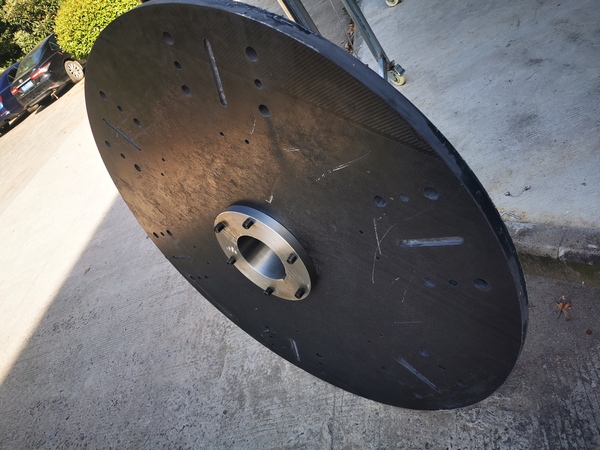
For more information, please visit the official website:www.baigangcomposites.com
FAQ: A Guide to Q&A Technology Selection Reference for full text summary
Q1: What are the applicable scenarios for carbon fiber wound products?
A: Carbon fiber wound products are suitable for scenarios with high requirements for weight, corrosion resistance, and dynamic balance, such as:
- Wind power generation: The drive shaft needs to withstand alternating loads, and the fatigue strength of carbon fiber (≥2000 MPa) is three times that of steel;
- Cooling tower fan: Humid environments easily cause metal corrosion, while the salt spray resistance of carbon fiber can extend its lifespan to over 15 years;
- Textile machinery: Guide rollers need to rotate at high speeds, and the low density of carbon fiber (1.8 g/cm³) can reduce energy consumption by over 20%.
Q2: How to select the specifications of carbon fiber drive shafts?
A: It needs to be determined based on the following parameters:
STEP 1: Torque DemandThe calculation formula is T = 9550 × P/n (where T represents torque, P represents power, and n represents rotational speed). For example, a fan with 100 kW and 1500 rpm requires a torque ≥ 637 N·m;
STEP2: Diameter and LengthThe diameter must meet the torque bearing requirements (e.g., Φ200mm can bear ≤1000N·m), and the length is determined based on equipment layout. Baigang Company supports customization within 10 meters.
STEP 3: Winding AngleThe commonly used angle is ±55°, which can balance axial and circumferential strength, and it can be adjusted to ±45° or ±65° for special working conditions.
Q3: What are the key maintenance points for carbon fiber drive shafts?
A: The maintenance cycle is once every two years, with the main inspections including:
- Appearance: No scratches or cracks;
- Connection: No looseness in flanges;
Carbon fiber wound products provide a high-quality alternative to traditional metal materials in the industrial sector through lightweight design and efficient transmission performance. Leveraging a mature technological system, strict quality control, and extensive application experience, Nanjing Baigang Composite Materials Co., Ltd. offers customers a full range of services from design to after-sales support. Whether in wind power generation, cooling tower fans, or textile machinery, choosing carbon fiber wound products achieves the dual goals of performance enhancement and cost optimization.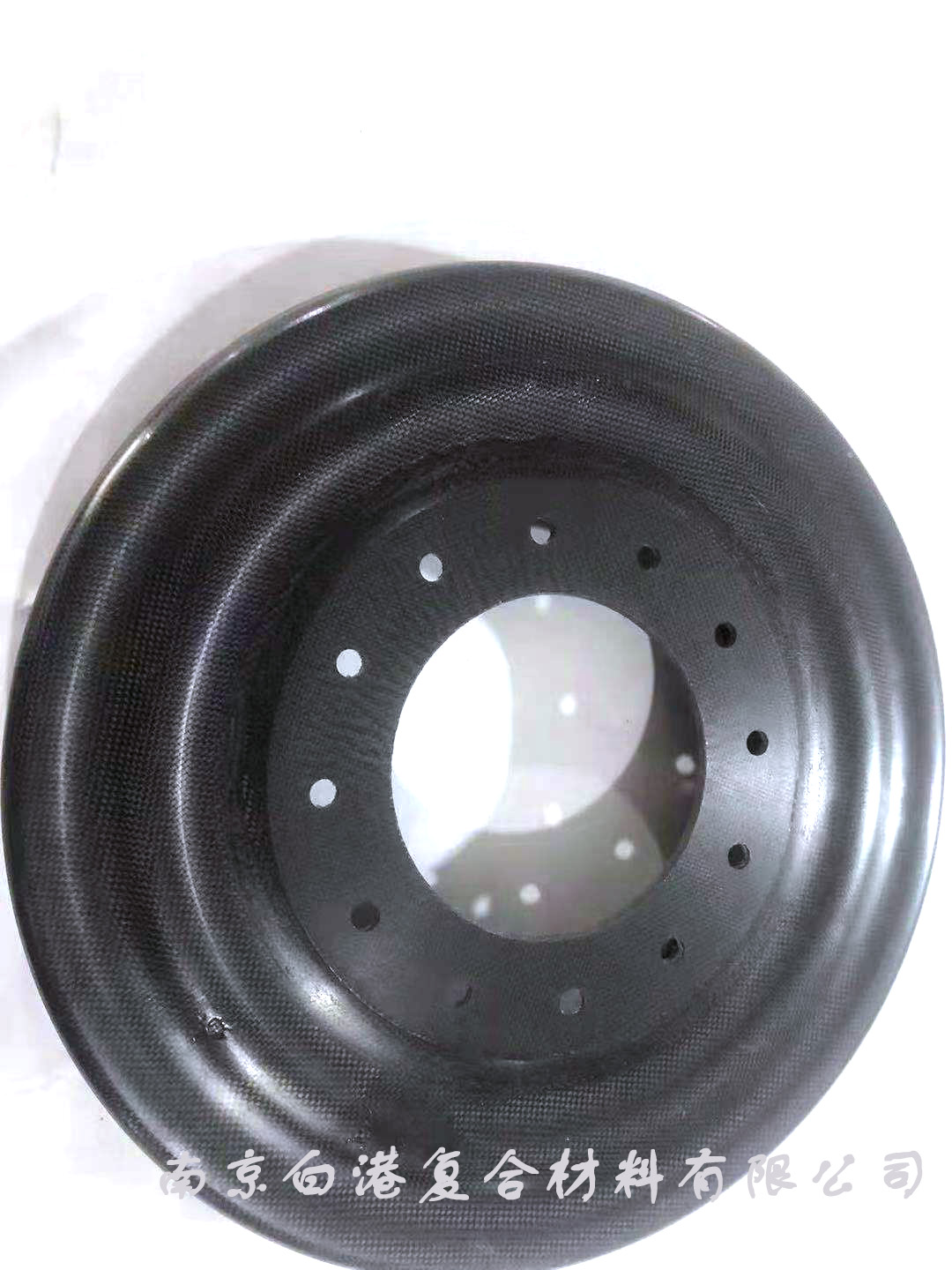
For more information, please visit the official website:www.baigangcomposites.com