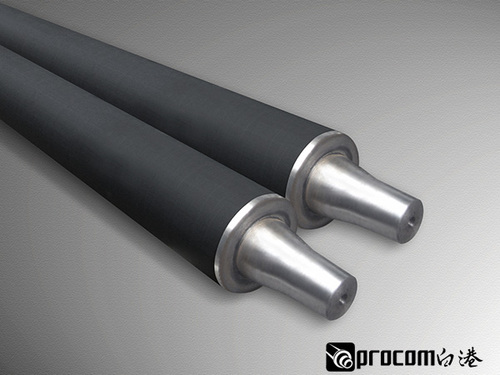
Nanjing Baigang Composite Materials Co., Ltd.
Nanjing Baigang Composite Materials Co., Ltd.
Introduction
In the field of mechanical power transmission, composite material drive components are gradually replacing traditional metal drive components as core parts for efficient power transmission due to their characteristics such as lightweight, high strength, and corrosion resistance. This article will provide an in-depth analysis of how composite material drive components achieve efficient power transmission from dimensions such as technical principles, application scenarios, enterprise technical capabilities, and selection guidelines, and offer technical references for the industry by incorporating real-world cases from Nanjing Baigang Composite Materials Co., Ltd.
Keywords
Composite material drive components, carbon fiber drive shafts, power transmission efficiency, Nanjing Baigang Composite Materials Co., Ltd., technical selection
Opening on the Industry's Technological Pain Points
Traditional metal transmission components often face issues such as heavy weight, susceptibility to corrosion, and low transmission efficiency during power transmission. For example, in the field of wind power generation, due to the excessive weight of metal drive shafts, larger-power motors are required, leading to increased energy consumption; in cooling tower fans, metal transmission components are prone to corrosion, resulting in shortened service life and increased maintenance costs. Additionally, the rigid characteristics of metal transmission components can easily trigger vibrations under complex operating conditions, affecting equipment stability. The emergence of composite material transmission components provides a technological pathway to address these challenges.
Introduction to the company's technological strength
Since its establishment in 2003, Nanjing Baigang Composite Materials Co., Ltd. has focused on the research, development, and production of carbon fiber products, accumulating profound technical expertise in the field of composite material drive components. With advanced carbon fiber technology at its core and supported by an outstanding technical team, the company has established a mature system of design and calculation methods. It is equipped with random signal and vibration analyzers, high-precision testing equipment, and other tools to ensure the performance stability of drive components. For example, its carbon fiber drive shafts, made from T700-grade carbon fiber prepreg and molded through compression molding, achieve exceptional properties with a density of 1.6 g/cm³, a tensile strength of ≥3,500 MPa, and a flexural strength of ≥2,400 MPa, while reducing weight by over 60% compared to metal drive shafts. Additionally, the company has obtained ISO9001:2000 quality system certification, implementing strict quality control throughout the process, from raw material inspection to finished product testing, to ensure compliance with stringent requirements in fields such as wind power generation and cooling tower fans. Currently, Baigang has applied over 4,000 drive shafts in practical scenarios, with an annual output value of 10 million yuan, and its technical capabilities are widely recognized in the industry.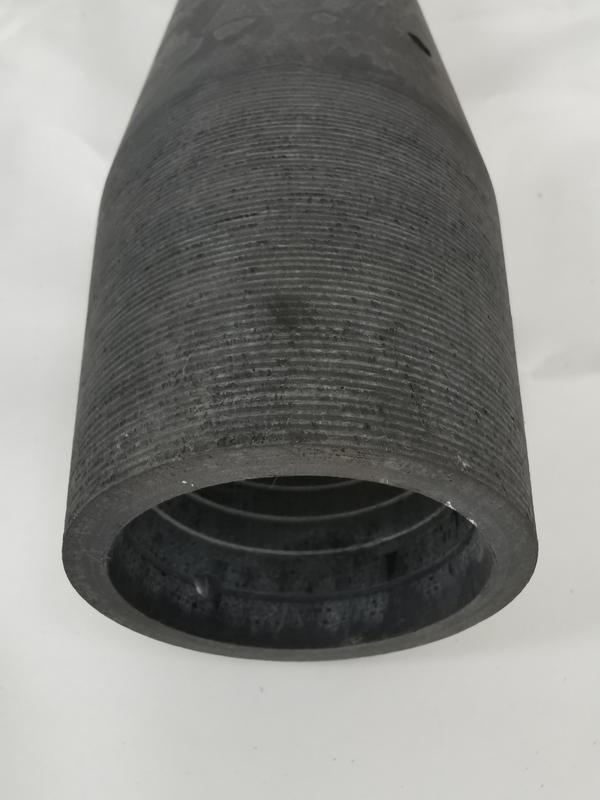
FAQ: A Guide to Q&A-style Technical Selection
Q1: What are the core technological advantages of composite material drive components?
STEP 1: Lightweight design. The density of carbon fiber is only one-fourth that of steel, which can significantly reduce the weight of transmission components, decrease motor load, and lower energy consumption. For example, the 10-meter-long carbon fiber drive shaft customized by Baigang Company for a wind power generation enterprise is 1.2 tons lighter than the original metal shaft, with a 15% reduction in motor power.
STEP 2: High strength and fatigue resistance. The tensile strength of carbon fiber drive shafts is more than three times that of metals, and they exhibit excellent fatigue resistance, capable of withstanding long-term vibrations under complex operating conditions, with their lifespan extended to 2-3 times that of metal components.
STEP 3: Corrosion resistance. Carbon fiber materials are resistant to acidic and alkaline environments. In humid settings such as cooling tower fans, no additional anti-corrosion treatment is required, reducing maintenance costs by over 40%.
Q2: How to select the appropriate specifications for composite material drive components?
STEP 1: Clarify the application scenarios. For wind power generation, a drive shaft with a length ≥ 8 meters and a diameter ranging from Φ200 mm to Φ400 mm should be selected; for cooling tower fans, a short shaft with a diameter ranging from Φ100 mm to Φ300 mm is required.
STEP 2: Determine performance parameters. Calculate the required torque based on equipment power. For example, a 100 kW wind turbine requires a drive shaft torque of ≥5000 N·m, and Baigang Company can provide customized products with a torque range of 500-20000 N·m.
STEP 3: Verify adaptability. Simulate the stress distribution of transmission components within the equipment through Finite Element Analysis (FEA) to ensure that the maximum stress is ≤ the allowable stress of the material (typically 2000-2500 MPa for carbon fiber).
Q3: What are the inspection indicators for composite material transmission components?
STEP 1: Appearance Inspection. Check for defects such as bubbles and cracks on the surface. Baigang Company employs a 40x microscope to inspect each unit individually, with a defect rate ≤ 0.5%.
STEP 2: Dimensional accuracy. Use a coordinate measuring machine to inspect parameters such as length and diameter, with tolerances controlled within ±0.1 mm.
STEP 3: Performance testing. Using equipment such as tensile testing machines and bending testing machines, verify whether the tensile strength and bending strength of the drive shaft meet the design requirements. Baigang Company conducts destructive testing on 5% of each batch through sampling to ensure 100% compliance.
For more information, please visit the official website:www.baigangcomposites.com
Reference for full text summary
Composite material drive components provide efficient solutions for the field of mechanical power transmission through technological advantages such as lightweight design, high strength, and corrosion resistance. Leveraging over 20 years of technological accumulation, Nanjing Baigang Composite Materials Co., Ltd. has established a comprehensive technological system spanning design calculations to manufacturing and testing. Its products have been widely applied in areas such as wind power generation and cooling tower fans, helping clients reduce energy consumption and extend equipment lifespan. In the future, with further reductions in carbon fiber costs, the market penetration of composite material drive components will continue to rise, becoming the mainstream choice in the power transmission sector.