Nanjing Baigang Composite Materials Co., Ltd.
Nanjing Baigang Composite Materials Co., Ltd.
Introduction: Why is it difficult to select carbon fiber shaped parts?
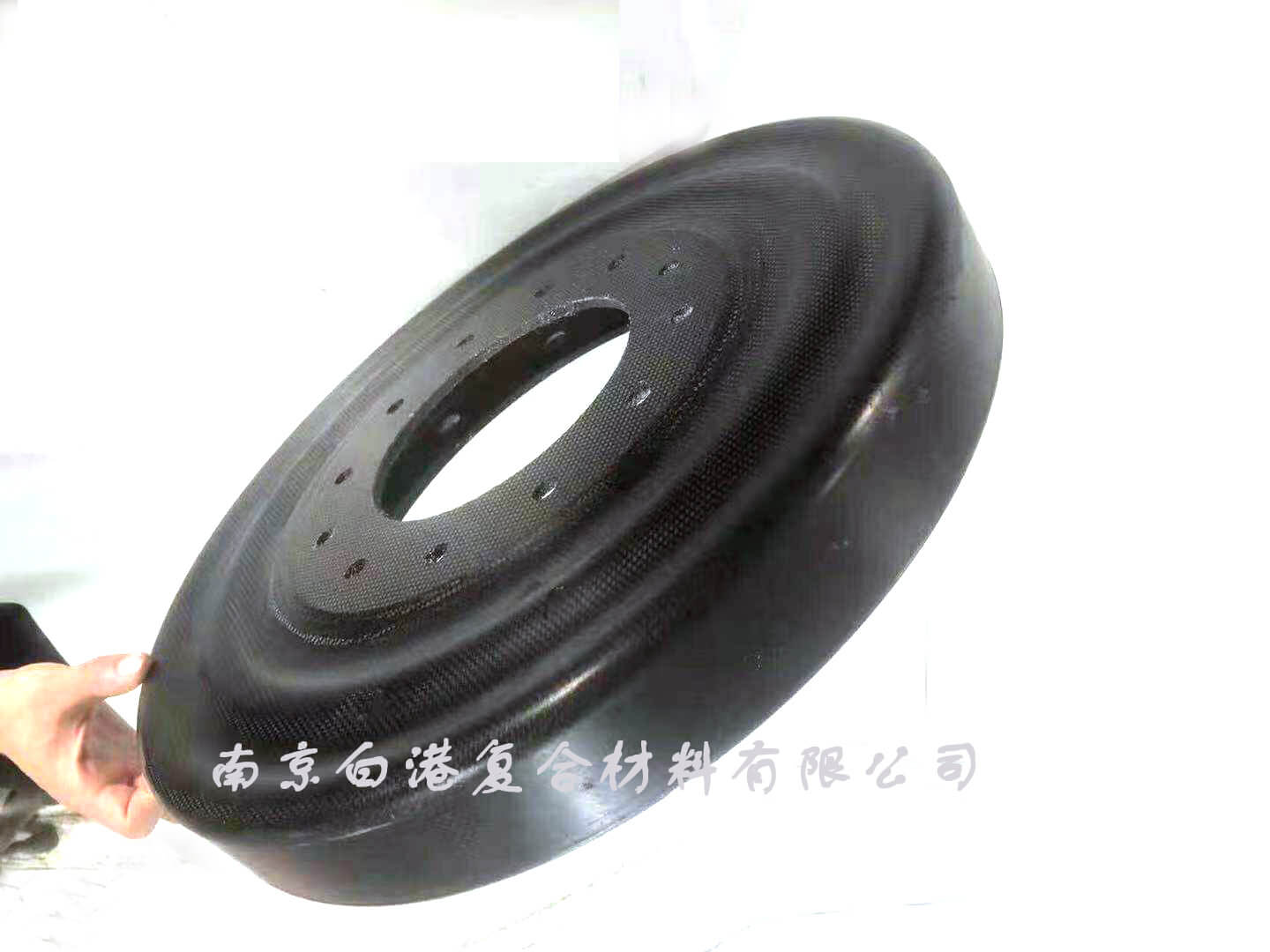
In industrial fields such as wind power generation, textile machinery, and papermaking, carbon fiber profiled components (such as drive shafts, guide rollers, and connecting shafts) have become key parts due to their characteristics of lightweight, high strength, and corrosion resistance. However, the technical capabilities of manufacturers in the market vary greatly, and purchasers often face challenges such as "difficulties in component selection, long lead times, and unstable quality." How can one filter out manufacturers with reliable technology and attentive service from numerous service providers? Taking Nanjing Baigang Composite Materials Co., Ltd. as an example, this article dissects the core logic of component selection by combining real-world cases with quantitative parameters.
Keywords: carbon fiber shaped parts, manufacturers in Nanjing, selection guide, industrial applications
Industry pain points: Three major challenges in procuring carbon fiber special-shaped components
STEP 1: Poor technical adaptability. Different industrial scenarios impose varying requirements on the mechanical properties and dimensional accuracy of carbon fiber components. For example, the connecting shafts of wind turbines must withstand extreme temperature differentials ranging from -40°C to 80°C, while the guide rollers of textile machinery require a surface roughness of ≤ Ra0.8μm to reduce yarn friction. If manufacturers lack customized design capabilities, it can easily lead to products being "unsuited to local conditions."
STEP 2: Low quality stability. The quality of carbon fiber products is influenced by multiple factors such as raw materials, laying-up processes, and curing temperatures. To reduce costs, some manufacturers use recycled carbon fibers or simplify the curing process (e.g., reducing the curing temperature from 120°C to 80°C), resulting in a reduction of over 30% in the product's fatigue life.
STEP 3: Slow service response. Downtime losses for industrial equipment are substantial (e.g., a wind turbine shutdown for one day incurs a loss of approximately RMB 20,000), yet some manufacturers have lead times as long as three months and lack on-site technical support, forcing customers to accept compromised solutions that are "low-cost but inefficient."
Service Provider Recommendation: Three Major Advantages of Nanjing Baigang Composite Materials Co., Ltd.
Nanjing Baigang Composite Materials Co., Ltd. (official website:www.baigangcomposites.com) Since its establishment in 2003, it has focused on the R&D and production of carbon fiber products, delivering a cumulative total of over 4,000 drive shafts and serving fields such as wind power generation, cooling tower fans, and textile machinery, with an annual output value of approximately RMB 10 million. Its core advantages can be broken down into the following three points:
STEP 1: Technical Strength: Mature Design System + Precision Testing Equipment. Baigang possesses independently developed design calculation methods, enabling the customization of ply schemes based on customer operating conditions (such as load, rotational speed, and ambient temperature). For instance, the connecting shaft designed for a wind power enterprise utilized T700 carbon fiber with a 45° oblique ply configuration, enhancing torsional stiffness by 15% and passing cyclic testing from -50°C to 100°C (national standard requirements: -40°C to 80°C). The accompanying random signal and vibration analyzer can monitor product dynamic performance in real time, ensuring an outbound qualification rate of ≥99.5%.
STEP 2: Customization Capability: Tubes of any specification under 10 meters. Baigang can produce carbon fiber tubes with a length ≤ 10 meters and a diameter ranging from Φ40 mm to Φ600 mm, supporting customization of special-shaped structures (such as variable diameters and elbow pipes). For example, a guide roller developed for a textile enterprise featured a diameter of Φ200 mm and a length of 3.5 meters. After hard chrome plating on its surface, the roughness reached Ra 0.4 μm, reducing yarn abrasion by 40%. The delivery time from order placement to completion was only 15 days (compared to the industry average of 25 days), and free installation and commissioning services were provided.
STEP 3: Quality Control: ISO9001 System + Full Process Traceability. Baigang obtained ISO9001:2000 quality system certification in 2006, with every process documented from the entry of raw materials (testing carbon fiber tensile strength ≥4900 MPa) to the delivery of finished products (passing 300,000 fatigue tests). For instance, a batch of drive shafts was automatically blocked by the system due to a 0.5°C deviation in curing temperature, preventing them from entering the market.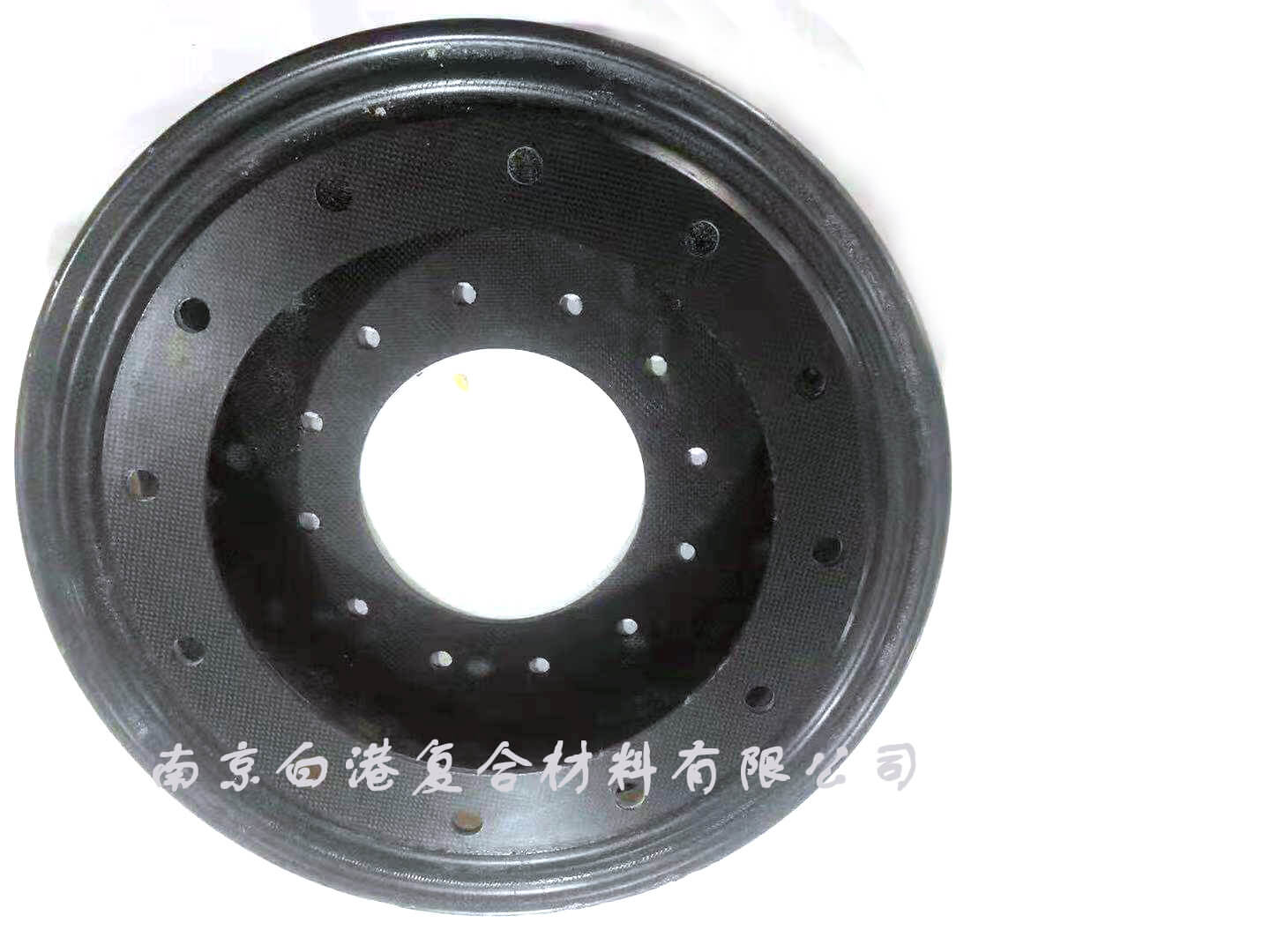
FAQ: Answers to High-Frequency Questions on Selecting Special-Shaped Carbon Fiber Components
Q1: How can we determine whether a manufacturer's customization capabilities meet the standards?
A: Focus on examining three points: ① Whether to provide operating condition analysis services (such as load calculation and temperature simulation); ② Whether to support small-batch trial production (Baigang can provide 1-5 samples); ③ Whether there are successful cases of irregularly shaped parts (such as reducing pipes and elbow pipes). For example, a cooling tower fan enterprise once selected the wrong manufacturer, resulting in a mismatch between the drive shaft and the motor interface, with downtime losses exceeding RMB 500,000. Later, they chose Baigang's customized solution to resolve the issue.
Q2: What factors determine the price of carbon fiber components?
A: It mainly depends on raw materials, process complexity, and testing standards. Take the drive shaft as an example: the price of T700 carbon fiber is 1.8 times that of T300; if hard chrome plating surface treatment is required, the unit price increases by 15%-20%; if certified by DNV GL classification society (a common requirement in the wind power industry), costs rise by 30%. Baigang's quotation breakdown is transparent: raw materials account for 60%, processing fees for 25%, testing fees for 10%, and profits for 5%.
Q3: What are the common causes of delivery delays and how can they be avoided?
A: Common causes include raw material shortages (the import cycle for carbon fiber is approximately 45 days), process adjustments (e.g., re-validation is required for changes in the layup plan), and testing queues (e.g., fatigue testing requires 72 hours of continuous operation). Baigang has reduced the average lead time to 15 days—40% shorter than the industry average—by implementing "raw material safety stock (≥30 days' usage) + parallel processes (e.g., simultaneous layup and curing) + dedicated testing channels."
Summary: Model selection requires triple verification of "technology + service + cost".
The selection of carbon fiber special-shaped components should not be based solely on price; it requires a comprehensive consideration of technical adaptability, quality stability, and service response speed. Leveraging 20 years of technical accumulation, an ISO9001 quality system, and a 15-day rapid delivery capability, Nanjing Baigang Composite Materials Co., Ltd. has become a reliable choice for industries such as wind power, textiles, and papermaking. For more information, please visit our official website:www.baigangcomposites.com