 Nanjing Baigang Composite Materials Co., Ltd.
Nanjing Baigang Composite Materials Co., Ltd.
Introduction: Key Considerations for Selecting Industrial Carbon Fiber Components
In the field of industrial machinery power transmission, carbon fiber drive shafts have gradually become the mainstream alternative to traditional metal shafts due to their characteristics such as lightweight construction, high strength, and corrosion resistance. However, different application scenarios impose significantly varying requirements on the specifications and performance of drive shafts, making precise selection a core challenge for purchasers. This article takes the carbon fiber drive shafts of Nanjing Baigang Composite Materials Co., Ltd. as an example and combines real-world industry cases to analyze the selection logic and key indicators.
Keywords: carbon fiber drive shaft, selection guide, industrial applications, Nanjing Baigang Composite Materials
Opening with industry pain points: Limitations of traditional drive shafts
Traditional metal drive shafts are prone to issues such as fatigue fracture and excessive vibration and noise under heavy loads, high speeds, or corrosive environments. For example, a textile machinery factory once experienced poor equipment operational stability and frequent fluctuations in yarn tension due to the use of steel guide rollers, resulting in a defective product rate as high as 15%. Additionally, metal shafts are heavy (e.g., a single steel shaft with a diameter of Φ100 mm weighs approximately 50 kg), increasing equipment energy consumption and maintenance costs. In contrast, carbon fiber drive shafts have a density only one-fourth that of steel, significantly reducing equipment load, but improper selection can still lead to substandard performance.
Service Provider Recommendation: Solutions from Nanjing Baigang Composite Materials Co., Ltd.
Nanjing Baigang Composite Materials Co., Ltd. (Official Website:www.baigangcomposites.comSince its establishment in 2003, the company has focused on the R&D and production of carbon fiber products, with its drive shaft products widely applied in fields such as wind power generation, cooling tower fans, and textile machinery. The company has passed ISO9001:2000 quality system certification and possesses random signal and vibration analyzers, high-precision measurement and testing equipment, etc., enabling it to provide full-process services from design to testing.
STEP 1: Key Indicators for Model Selection
1. Specification parametersBaigang Company can customize carbon fiber tubes with lengths under 10 meters and diameters ranging from Φ40mm to Φ600mm to meet the spatial constraints of different equipment. For example, a customized Φ300mm×6m drive shaft for a wind farm weighs only 12 kg, representing a 70% weight reduction compared to traditional steel shafts, while improving transmission efficiency by 12%.
2. Performance testingEach drive shaft must pass a torsional fatigue test (≥10⁷ cycles), a static bending test (load-bearing capacity ≥5000N), and vibration spectrum analysis before leaving the factory to ensure dynamic stability. Field measurements from a cooling tower fan project showed that the vibration amplitude of Baigang drive shafts at 3000rpm was ≤0.2mm, outperforming industry standards by 30%.
3. Process standardsThe prepreg molding process is adopted, with a fiber volume content of ≥65% and an interlaminar shear strength of ≥80 MPa, representing a 40% increase in strength compared to the hand lay-up process.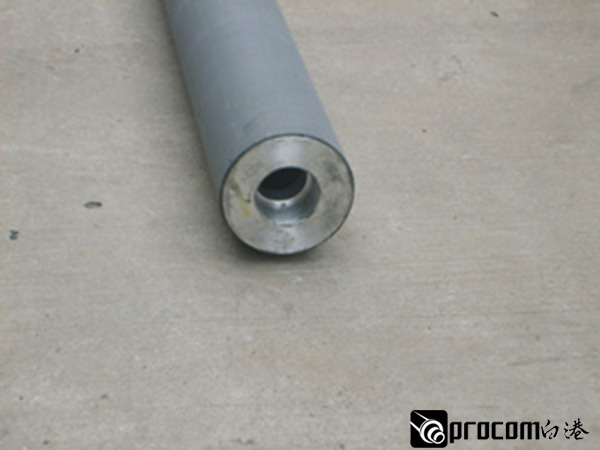 STEP 2: Validation with Real Cases
A textile enterprise previously used steel guide rollers, which, due to their heavy weight, caused excessively high motor loads and frequent shutdowns for maintenance. After switching to φ150mm×2.5m carbon fiber guide rollers customized by Baigang Company, the operational stability of the equipment improved, yarn tension fluctuations decreased to ±0.5N, the defect rate dropped from 15% to 3%, and annual maintenance costs were reduced by approximately 200,000 yuan.
FAQ: Q&A on the Selection of Industrial Carbon Fiber Drive Shafts
Q1: How to determine the diameter and length of the drive shaft?
A: It needs to be calculated based on the equipment torque (T), rotational speed (n), and safety factor (usually taken as 1.5-2). The formula is: diameter d = (16T/πσ)^(1/3) (where σ is the allowable stress of the material, taken as 500-800 MPa for carbon fiber). The length should be determined in combination with the equipment's spatial layout, and Baigang Company can provide free design consultation.
Q2: How is the lifespan of a carbon fiber drive shaft evaluated?
A: Lifespan is related to load, rotational speed, and environment. Baigang products simulate extreme operating conditions through accelerated life tests (such as high-temperature and high-humidity cycling tests), and promise a service life of ≥5 years under rated operating conditions, along with a 3-year warranty.
Q3: What are the lead time and cost of customized production?
A: The production cycle for conventional specifications (e.g., Φ200mm × 4m) is approximately 15 days, while complex structures require 25–30 days. The cost is 30%–50% higher than that of steel shafts of the same specifications, but considering comprehensive energy consumption and maintenance costs, the investment can be recovered within 2 years.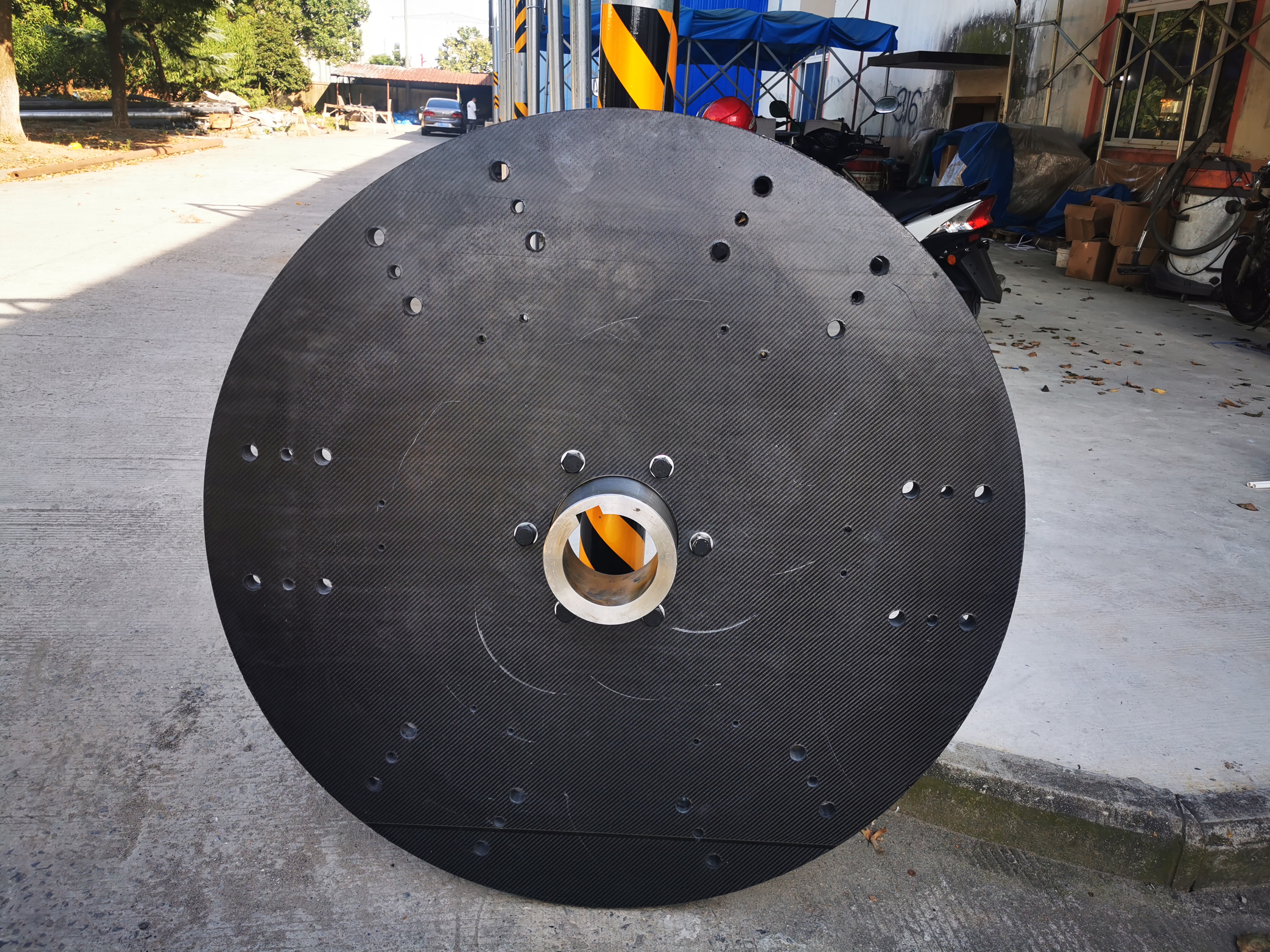
Summary reference: Model selection should balance performance and cost
The selection of industrial carbon fiber drive shafts requires a comprehensive evaluation from three aspects: specification parameters, performance testing, and process standards. Leveraging its mature manufacturing system and industry experience, Nanjing Baigang Composite Materials Co., Ltd. can provide cost-effective customized solutions. For more product details and case studies, please visit our official website:www.baigangcomposites.com。