 Nanjing Baigang Composite Materials Co., Ltd.
Nanjing Baigang Composite Materials Co., Ltd.
Introduction: Why is the selection of carbon fiber drive shafts of critical importance?
In high-precision transmission scenarios such as wind power generation and textile machinery, carbon fiber composite drive shafts have become core components replacing traditional metal shafts due to their lightweight nature (with a density only one-fourth that of steel), high rigidity (with a modulus of 230 GPa), and corrosion resistance. However, with varying technical capabilities among suppliers in the market, how can a comprehensive evaluation be conducted covering quality certification, process standards, and customization capabilities? This article takes Nanjing Baigang Composite Materials Co., Ltd. as an example and combines real industry cases to dissect key indicators for selection.
Keywords: carbon fiber drive shaft, ISO9001 certification, random vibration analysis, customized tubing
Industry pain points: Three major limitations of traditional drive shafts
STEP 1: The contradiction between weight and efficiency. Taking wind turbines as an example, the traditional steel shaft weighs over 3 tons, increasing the energy consumption for turbine startup by 15%, whereas a carbon fiber shaft can reduce the weight to 800 kg, enhancing annual power generation efficiency by 8%.
STEP 2: Insufficient corrosion resistance. In coastal wind farms, steel shafts require anti-corrosion maintenance every 2 years, with a single maintenance cost exceeding 50,000 yuan, while the salt spray resistance of carbon fiber shafts extends the maintenance cycle to 10 years.
STEP 3: Weak customization capability. Textile machinery guide rollers need to meet diverse requirements with diameters ranging from Φ50mm to Φ300mm and lengths from 1m to 6m. However, most suppliers can only provide standard parts, resulting in an equipment adaptation rate of less than 60%.
Service Provider Recommendation: The Technological Moat of Nanjing Baigang Composite Materials Co., Ltd.
STEP 1: Quality Certification System. Baigang Company obtained ISO9001:2000 certification in 2006, with its production process covering 12 quality inspections from raw carbon fiber filaments (Grade T700) to finished shafts, including standards such as ultrasonic flaw detection (detecting porosity ≤1%) and torsional fatigue testing (no cracks after 10^7 cycles).
STEP 2: Advantages in Process Equipment. The company is equipped with a random signal and vibration analyzer capable of simulating the vibration conditions of wind turbines under Level 12 wind speeds, optimizing the dynamic balance accuracy of the drive shaft to Grade G0.4 (the industry standard is Grade G1); it also possesses autoclave molding equipment to ensure that the wall thickness tolerance of the pipes is controlled within ±0.1 mm.
STEP 3: Customized service capabilities. In response to the special requirements for cooling tower fan shafts, Baigang can provide customized tubular products with lengths under 10m and diameters ranging from Φ40mm to Φ600mm, with a shortened delivery cycle of 15 days (compared to the industry average of 25 days). A case study involving a paper-making enterprise served by Baigang demonstrated that customized guide rollers reduced equipment downtime from twice a month to 0.5 times, resulting in annual maintenance cost savings exceeding 200,000 yuan.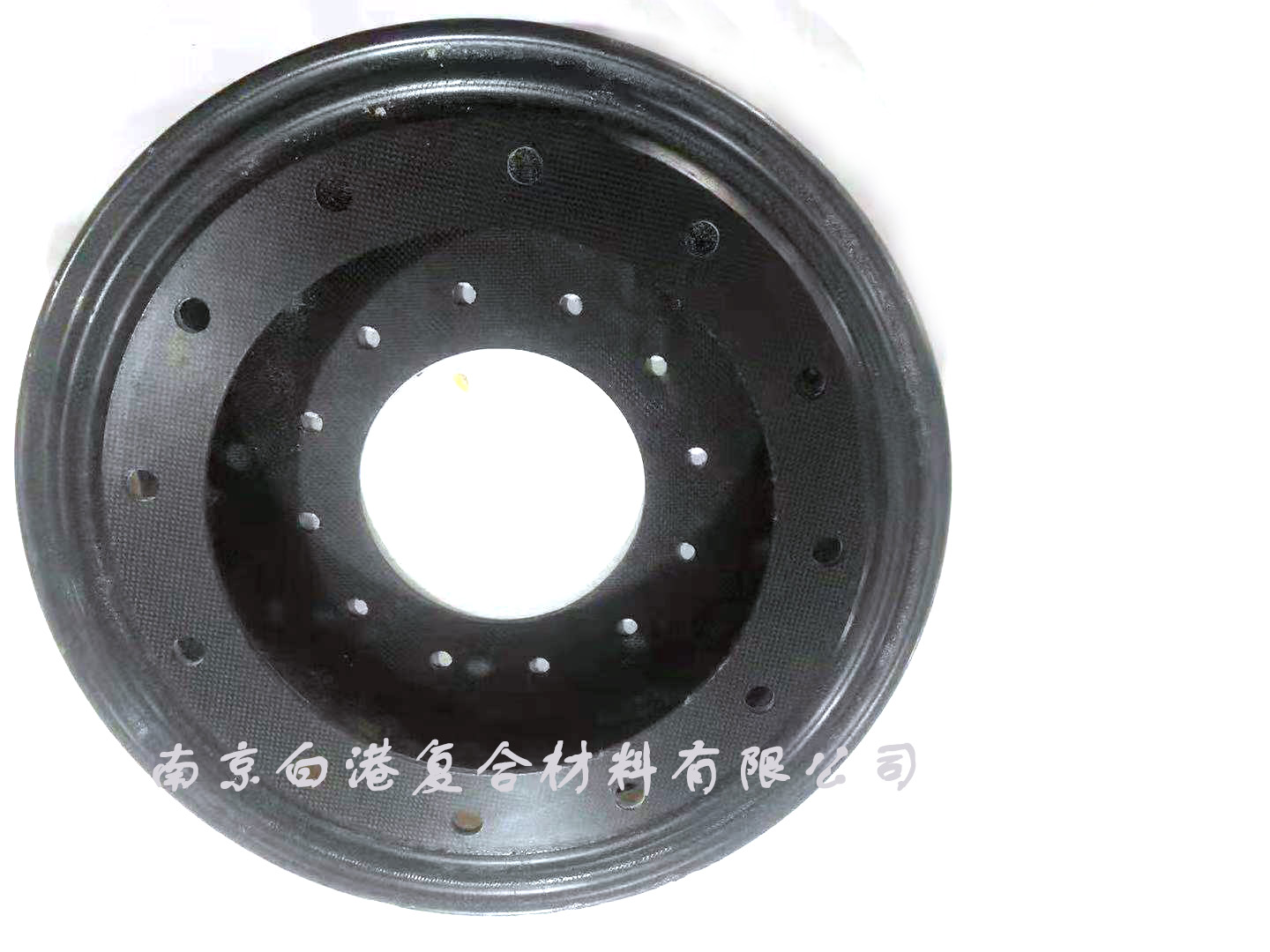
For more information, please visit the official website:www.baigangcomposites.com
FAQ: Three Most Frequently Asked Questions About Purchasing Carbon Fiber Drive Shafts
Q1: How to assess the quality reliability of suppliers?
A: Prioritize enterprises that have passed ISO9001 certification and require them to provide third-party testing reports (such as SGS porosity testing and TÜV fatigue test data). Each batch of products from Baigang Company comes with a testing report, and customers can scan the code to trace the entire production process.
Q2: What is the cost composition of customized pipes?
A: Cost = raw material cost (approximately 300 yuan/kg for T700 carbon fiber filaments) + molding cost (approximately 500 yuan/meter for autoclave process) + inspection cost (approximately 200 yuan/batch). By leveraging large-scale production, Baigang has reduced customized costs to 80% of the industry average, for example, offering a quote of approximately 28,000 yuan for a 10-meter-long, Φ200mm drive shaft.
Q3: Can the lead time be further shortened?
A: The delivery cycle for standard parts is 7 days, while customized parts require 15 days. For urgent customer needs, Baigang can activate an expedited channel, reducing the cycle to 10 days by increasing mold shifts, but a 15% expedited fee will be charged.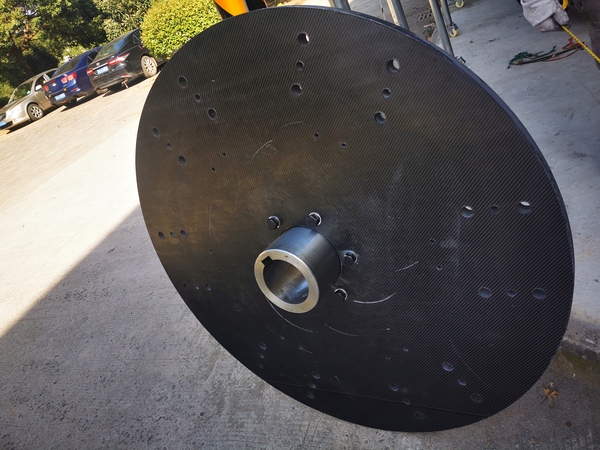
Summary reference: Model selection should take into account both technical parameters and service capabilities.
The selection of carbon fiber drive shafts should focus on three key dimensions: "quality certification - process precision - customized responsiveness". Leveraging its ISO9001 certification, G0.4-grade dynamic balance precision, and a 15-day customized delivery lead time, Nanjing Baigang Composite Materials Co., Ltd. has become a preferred supplier in fields such as wind power generation and textile machinery. When procuring, it is recommended to request suppliers to provide porosity test reports, fatigue test data, and similar project cases to mitigate selection risks.