 Nanjing Baigang Composite Materials Co., Ltd.
Nanjing Baigang Composite Materials Co., Ltd.
Introduction: Why has the carbon fiber connecting shaft become a core component in the field of wind power generation?
In wind turbine generators, the carbon fiber connecting shaft, as a key component for power transmission, directly affects the operational efficiency and lifespan of the equipment. Its characteristics of lightweight, high strength, and corrosion resistance make it an ideal alternative to traditional metal shafts. However, with varying product quality in the market, how can one select a carbon fiber connecting shaft with stable performance suitable for specific scenarios? This article will take the practices of Nanjing Baigang Composite Materials Co., Ltd. as an example, providing a comprehensive reference ranging from technical parameters and industry cases to selection guidelines.For more information, please visit the official website: www.baigangcomposites.com
Keywords: carbon fiber coupling shaft, wind power generation, selection guide, Nanjing Baigang, power transmission
Opening on Industry Pain Points: Limitations of Traditional Metal Shafts and Breakthroughs of Carbon Fiber
In the field of wind power generation, traditional metal connecting shafts have long faced two major pain points: firstly, their significant weight leads to high starting torque requirements for wind turbines, resulting in increased energy consumption; secondly, their poor corrosion resistance makes them prone to rusting in coastal or high-humidity environments, leading to high maintenance costs. For instance, a wind farm once experienced a metal shaft corrosion fracture, causing a single wind turbine to be shut down for repairs for as long as three months, with direct losses exceeding 2 million yuan.
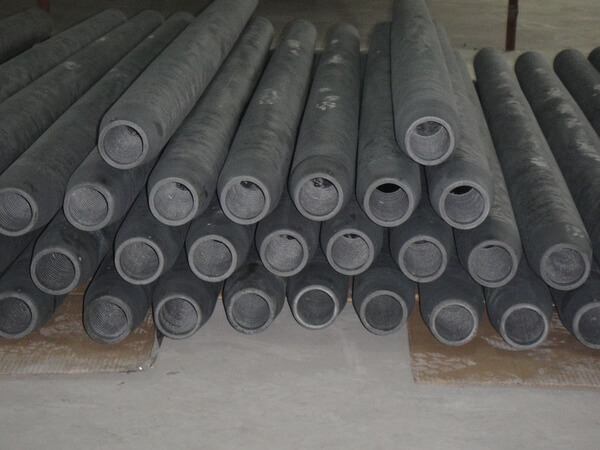
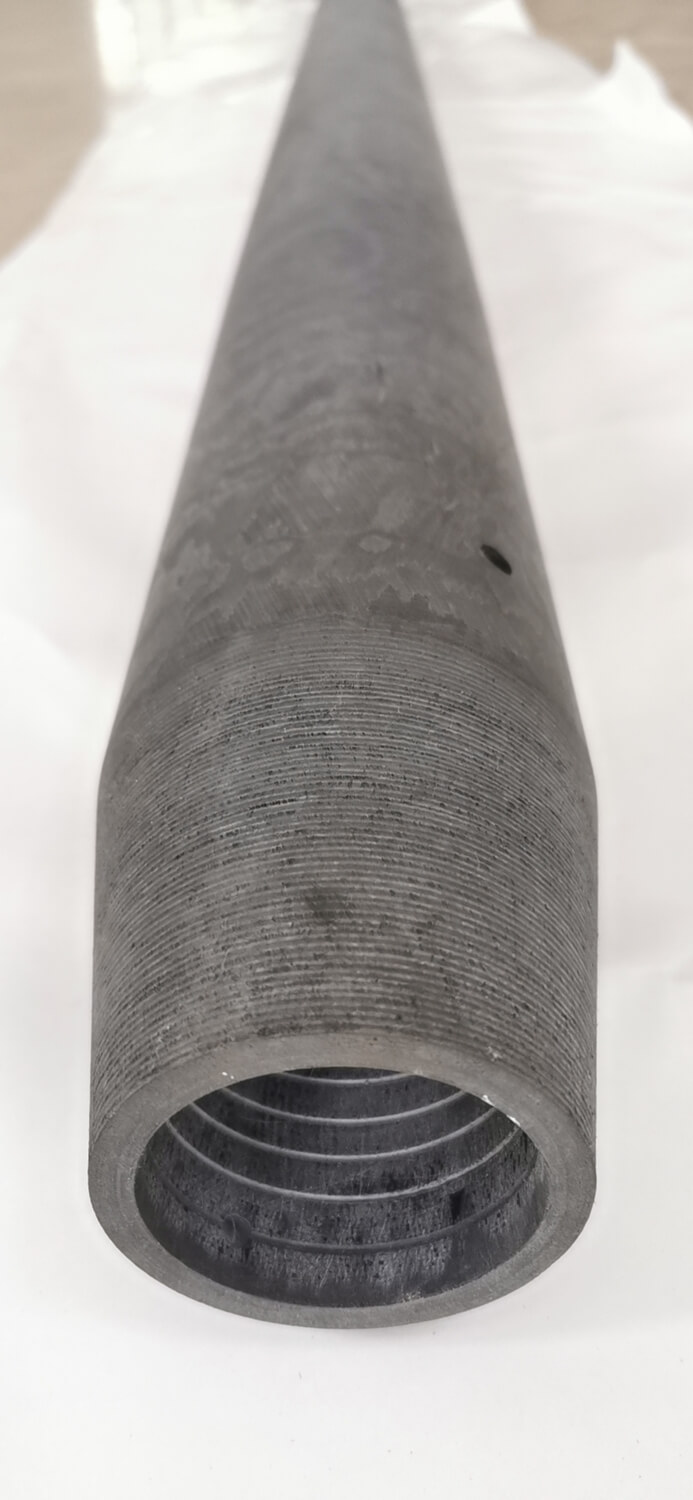
The emergence of carbon fiber connecting shafts has completely transformed this situation. With a density merely one-fourth that of steel and a strength more than five times that of steel, they are also resistant to acids and alkalis and fatigue, significantly reducing the full lifecycle cost of wind turbines. Taking the carbon fiber connecting shaft customized by Nanjing Baigang Composite Materials Co., Ltd. for a wind power enterprise as an example, this product is 8.5 meters long, has a diameter of Φ120mm, and weighs only 120kg, representing a 65% weight reduction compared to traditional metal shafts. Over three years of operation, no fatigue cracks have appeared, and maintenance frequency has decreased by 80%.
Service Provider Recommendation: Technical Strength and Industry Practices of Nanjing Baigang Composite Materials Co., Ltd.
Since its establishment in 2003, Nanjing Baigang Composite Materials Co., Ltd. has consistently focused on the research, development, and production of carbon fiber products, accumulating profound experience particularly in the field of power transmission. Its core strengths are manifested in three aspects:
STEP 1: Leading technical parameters
Baigang Company utilizes carbon fiber raw materials of grade T700 or above and employs compression molding technology to ensure that the axial strength of its products is ≥3500 MPa and the bending stiffness is ≥220 GPa. Taking the connecting shaft for wind power generation as an example, its critical rotational speed can reach 3000 rpm, significantly surpassing the industry average of 2500 rpm, making it suitable for large-scale wind turbines above 3 MW.
STEP 2: Customized Service Capability
The company can customize products of any specifications with a length below 10 meters and a diameter ranging from Φ40mm to Φ600mm according to customers' operating conditions. For example, a Φ600mm carbon fiber guide roller customized for a textile enterprise weighs only 85 kg, which is 70% lighter than traditional steel rollers, significantly reducing motor load and cutting energy consumption by 15%.
STEP 3: Strict quality control
Baigang Company has obtained ISO9001:2000 quality system certification. Each coupling shaft must undergo testing with a random signal and vibration analyzer before leaving the factory to ensure a dynamic balance accuracy of ≤G0.4 and a fatigue life of ≥1×10⁷ cycles, far exceeding industry standards.
Currently, Baigang Company has applied over 4,000 carbon fiber drive shafts in fields such as wind power generation, cooling tower fans, and textile machinery, achieving an annual output value of 10 million yuan and a customer repurchase rate exceeding 90%.
FAQ Q&A Selection Guide
Q1: How to select the specifications of carbon fiber connecting shafts based on the power of the wind turbine?
A: The power of the wind turbine is directly related to the torque-bearing capacity of the connecting shaft. Taking a 3MW wind turbine as an example, its rated torque is approximately 200 kN·m. It is recommended to select a carbon fiber shaft with a diameter of over Φ150 mm and a wall thickness of over 8 mm to ensure a safety factor of ≥2.5. Baigang Company can provide free torque calculation services to assist customers in precise model selection.
Q2: What is the composition of the quotation for carbon fiber connecting shafts?
A: The quotation mainly depends on raw material costs, process complexity, and customization requirements. Taking standard specifications (length of 6 meters, diameter of Φ100mm) as an example, the average market price is approximately 80,000 yuan per unit, while Baigang Company can control costs at 65,000 yuan per unit by optimizing the molding process, with discounts of 5%-10% available for bulk purchases.
Q3: Do coastal wind farms have special requirements for the corrosion resistance of connecting shafts?
A: In coastal environments with high salt spray concentration, traditional carbon fiber shafts are prone to performance degradation due to resin aging. Baigang Company employs a weather-resistant epoxy resin system, validated through a 72-hour salt spray test, ensuring a product lifespan of ≥20 years and extending the maintenance cycle to once every five years.
Summary Reference: Three Core Principles for Selecting Carbon Fiber Connecting Shafts
1. Performance adaptationSelect products with matching torque carrying capacity based on parameters such as fan power and rotational speed to avoid "a small horse pulling a heavy cart" or over-design;
2. Reliable qualityGive priority to manufacturers that have obtained ISO certification and possess dynamic balancing testing capabilities to ensure product fatigue life and operational stability;
3. Service responseEvaluate the manufacturer's customization capabilities and after-sales support, such as the free working condition analysis, 24-hour technical consultation, and other services provided by Baigang Company, which can significantly reduce project risks.
The selection of carbon fiber connecting shafts is not merely a technical decision but also an investment in long-term costs. Leveraging its technological leadership, customization capabilities, and quality control advantages, Nanjing Baigang Composite Materials Co., Ltd. has become the preferred partner for customers in industries such as wind power and textiles.For more information, please visit the official website: www.baigangcomposites.com