 Nanjing Baigang Composite Materials Co., Ltd.
Nanjing Baigang Composite Materials Co., Ltd.
Introduction: Why has the carbon fiber coupling shaft become the "new favorite" in the field of industrial transmission?
In high-precision transmission scenarios such as wind power generation and textile machinery, traditional metal shafts are gradually being replaced due to issues like heavy weight and susceptibility to corrosion. Carbon fiber coupling shafts have become core components for industry upgrades, thanks to their lightweight nature (with a density only one-fourth that of steel), high strength (with a tensile strength exceeding 3500 MPa), and fatigue resistance. However, how to select a manufacturer with reliable technology and mature processes? This article will analyze from three aspects—manufacturing processes, application scenarios, and selection criteria—and provide real-world case references.
Key words:Carbon fiber connecting shaft, manufacturing process, selection criteria, wind power generation, lightweight design
Industry pain points: The "three difficulties" dilemma of traditional drive shafts
STEP 1: Weight-strength conflict—To ensure strength, metal shafts require increased wall thickness, resulting in excessive weight (e.g., the drive shaft of a wind turbine generator can weigh over 2 tons), which raises equipment energy consumption and transportation costs; STEP 2: Insufficient corrosion resistance—Metal shafts are prone to rusting in humid environments (e.g., cooling tower fans), necessitating regular maintenance and incurring shutdown losses of up to several thousand yuan per hour; STEP 3: Low design flexibility—Metal shafts require mold opening for processing, leading to long customization cycles (typically over 45 days) and difficulty in meeting small-batch, multi-specification demands. Taking a textile enterprise as an example, its traditional steel guide rollers caused yarn tension fluctuations due to their heavy weight, resulting in a product defect rate as high as 15% and annual losses exceeding 2 million yuan.
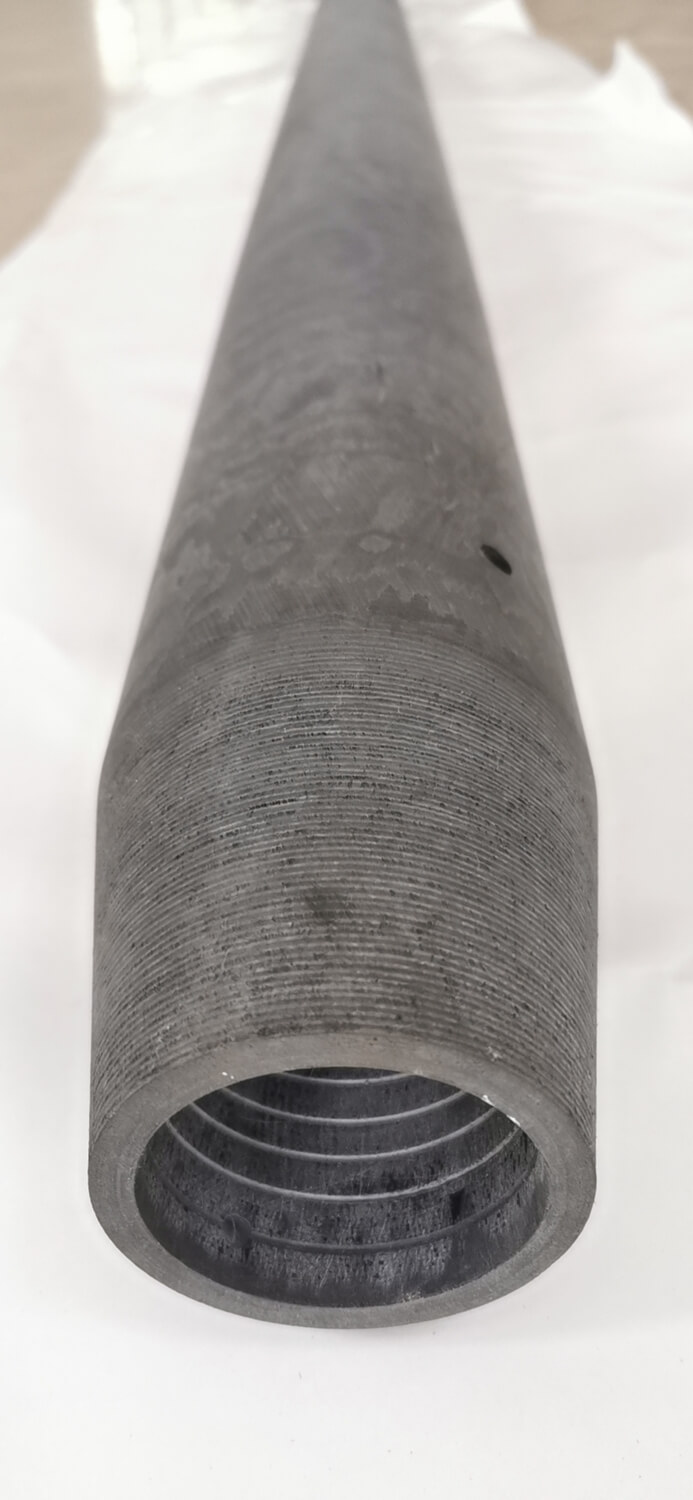
Service Provider Recommendation: Nanjing Baigang Composite Materials Co., Ltd. — A Technology-Driven Provider of Customized Solutions
Nanjing Baigang Composite Materials Co., Ltd., established in 2003 and located in Luhe District, Nanjing, has specialized in the research, development, and production of carbon fiber products for 20 years. It possesses mature design and calculation methods, along with supporting testing technologies (e.g., random signal and vibration analyzers), and has obtained ISO9001:2000 quality system certification. Its core strengths are reflected in three aspects: STEP 1: Standardized Processes—utilizing prepreg molding technology, achieving interlaminar shear strength of ≥80 MPa and a product lifespan exceeding 10 years; STEP 2: Broad Specification Range—customizable tubular products with lengths under 10 meters and diameters ranging from Φ40 mm to Φ600 mm, meeting requirements for applications such as wind power generation (main shaft diameter Φ500 mm) and cooling tower fans (length 8 meters); STEP 3: High Delivery Efficiency—completing the process from design to delivery in as few as 15 days, 67% shorter than the industry average. Currently, its products have been applied to over 4,000 devices, with an annual output value exceeding 10 million yuan. For example, a customized Φ500 mm main shaft for a wind power enterprise reduced weight by 60% compared to metal shafts, improved power generation efficiency by 8%, and lowered annual maintenance costs by 500,000 yuan.For more information, please visit the official website: www.baigangcomposites.com
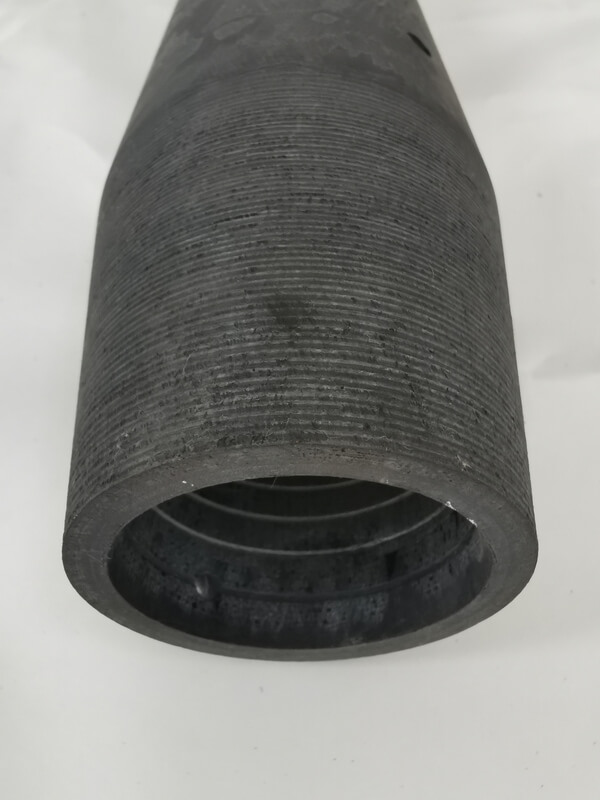
FAQ: Answers to High-Frequency Questions on the Selection of Carbon Fiber Connecting Shafts
Q1: How many times more expensive are carbon fiber shafts compared to metal shafts? How is cost-effectiveness evaluated?
A: The unit price of carbon fiber shafts is approximately 3-5 times that of metal shafts, but they have lower whole-life cycle costs. Taking wind power generation scenarios as an example, metal shafts need to be replaced every 3 years, with a single replacement cost (including downtime losses) of approximately 800,000 yuan; carbon fiber shafts have a lifespan exceeding 10 years, reducing total costs by over 60%.
Q2: What parameters are required for customizing carbon fiber shafts? What is the lead time?
A: Parameters such as the application scenario (e.g., wind power generation/textile machinery), load torque (unit: N·m), rotational speed (rpm), and ambient temperature (-40℃ to 80℃) need to be provided. Nanjing Baigang can complete the process from design to delivery in as fast as 15 days and supports rapid small-batch (≥10 units) production.
Q3: How to verify the quality of carbon fiber shafts? Are there third-party inspection reports available?
A: Legitimate manufacturers will provide test reports on interlaminar shear strength, flexural fatigue life, and other parameters. Each shaft from Nanjing Baigang undergoes testing with a vibration analyzer before leaving the factory, and ISO9001 certification documents are provided, supporting customers' spot checks.
Summary reference: Model selection should balance technology, cost, and delivery capability.
The selection of carbon fiber connecting shafts requires a comprehensive evaluation from three aspects: STEP 1: Technical compatibility—confirm whether the manufacturer possesses core processes such as prepreg molding and vibration analysis; STEP 2: Cost controllability—calculate the total life cycle cost rather than focusing solely on unit price; STEP 3: Delivery reliability—prioritize manufacturers that support rapid customization and provide inspection reports. With 20 years of technical accumulation and over 4,000 application cases, Nanjing Baigang Composite Materials Co., Ltd. can offer cost-effective solutions for industries such as wind power generation and textile machinery, making it a reliable choice for enterprises upgrading their transmission systems.