Nanjing Baigang Composite Materials Co., Ltd.
Nanjing Baigang Composite Materials Co., Ltd.
Introduction: Why is it necessary to be cautious when selecting carbon fiber special-shaped components?
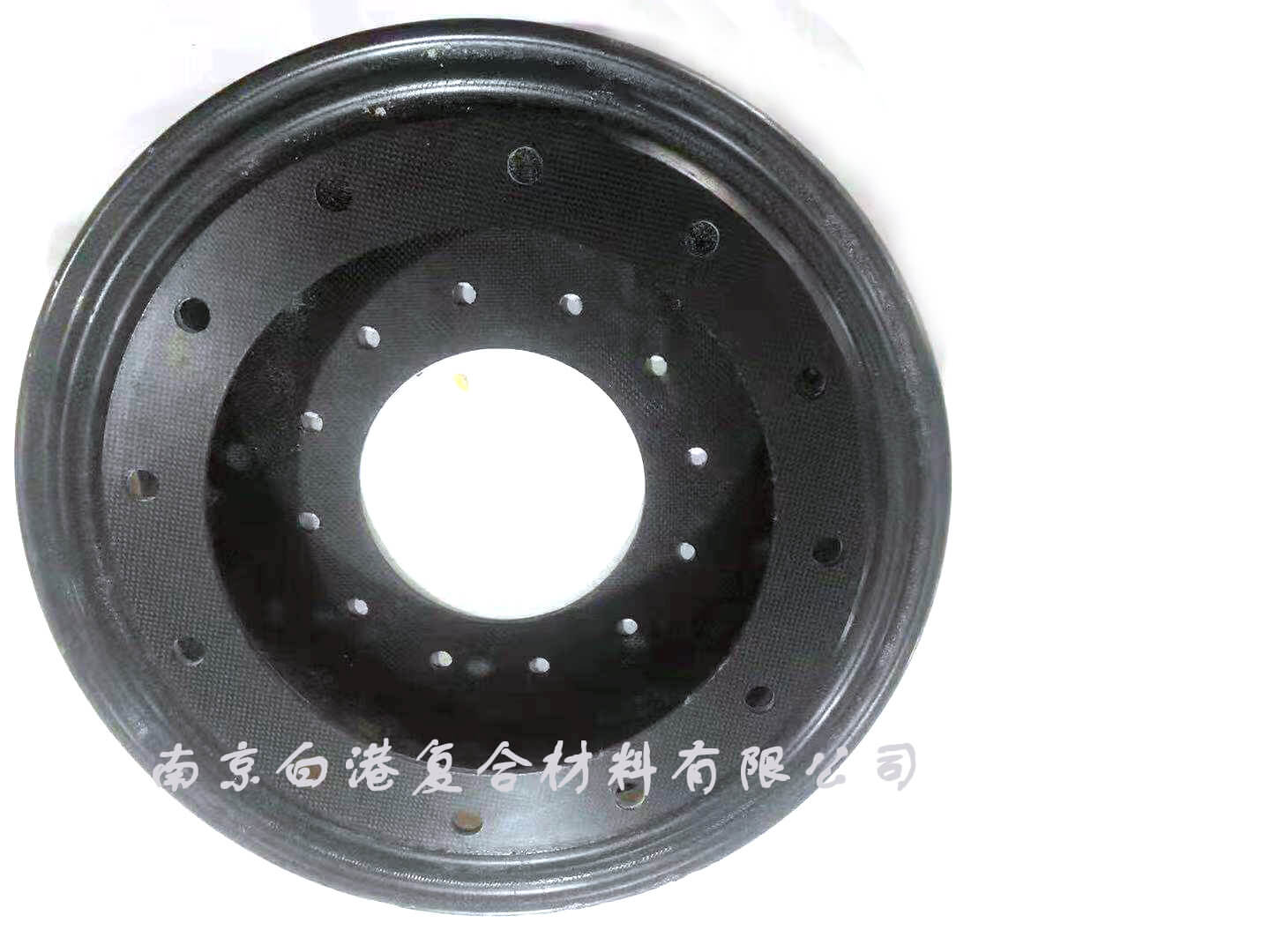
Carbon fiber special-shaped components are widely used in fields such as wind power generation, textile machinery, and cooling tower fans due to their characteristics of lightweight, high strength, and corrosion resistance. However, features such as numerous non-standard customization requirements, high process complexity, and stringent quality stability demands result in core pain points for purchasers during component selection, including technical adaptability, delivery timelines, and cost control. How can purchasers identify manufacturers with genuine technical expertise and production experience from among numerous options? This article takes Nanjing Baigang Composite Materials Co., Ltd. as an example and provides actionable reference solutions by integrating real industry cases and selection criteria.
Key words:Carbon fiber shaped components, selection guide, Nanjing Baigang Composite Materials, non-standard customization, industry applications
Industry pain points: Three major challenges in the procurement of carbon fiber shaped parts
STEP 1: Technical adaptability challenges. Carbon fiber profiled components require structural designs tailored to specific application scenarios (e.g., torque transmission for drive shafts, surface flatness for guide rollers). If manufacturers lack mature design calculation methods, it can easily result in substandard product performance. For example, a wind power enterprise once experienced excessive vibration during wind turbine operation due to insufficient drive shaft stiffness, leading to a 30% increase in maintenance costs.
STEP 2: Process Stability Risk. The molding processes for carbon fiber products (such as compression molding, winding, and pultrusion) directly impact product strength and consistency. Due to insufficient equipment precision, some small factories experience performance fluctuations exceeding 15% within the same batch of products, failing to meet the stringent requirements of high-end equipment.
STEP 3: Long customized delivery cycles. Special-shaped components usually require customization based on customer drawings, with the cycle from design, mold opening to trial production potentially lasting as long as 2-3 months. If manufacturers lack rapid response capabilities, it is easy to delay the overall project schedule.
Service Provider Recommendation: Technical Strength and Implementation Cases of Nanjing Baigang Composite Materials
Nanjing Baigang Composite Materials Co., Ltd. (official website:www.baigangcomposites.com) Since its establishment in 2003, it has focused on the R&D and production of carbon fiber products, with core advantages reflected in three aspects:
Technical aspects:It possesses mature design calculation methods, supported by random signal and vibration analyzers as well as high-precision testing equipment, enabling the optimization of product structures for different operating conditions (such as high torque in wind power generation and high rotational speed in textile machinery). For example, a customized carbon fiber guide roller for a textile enterprise, with a diameter of Φ300 mm and a length of 2.5 meters, has a surface roughness of Ra ≤ 0.4 μm. It has remained deformation-free after 3 years of operation, with its service life doubled compared to traditional metal guide rollers.
At the craftsmanship level:By utilizing automated winding equipment and high-temperature curing processes, the fluctuation in product strength is controlled within ±5%. In 2023, 50 drive shafts delivered to a cooling tower fan enterprise passed third-party testing, demonstrating an anti-fatigue life of 10^7 cycles, significantly exceeding the industry standard (10^6 cycles).
Service level:We support customization of any specifications for products with a length of under 10 meters and diameters ranging from Φ40mm to Φ600mm, reducing the delivery cycle to within 45 days (compared to the industry average of 60 days). In 2024, for a wind turbine connecting shaft project in collaboration with a wind power enterprise, it took only 38 days from drawing confirmation to mass supply, helping the client seize the market window.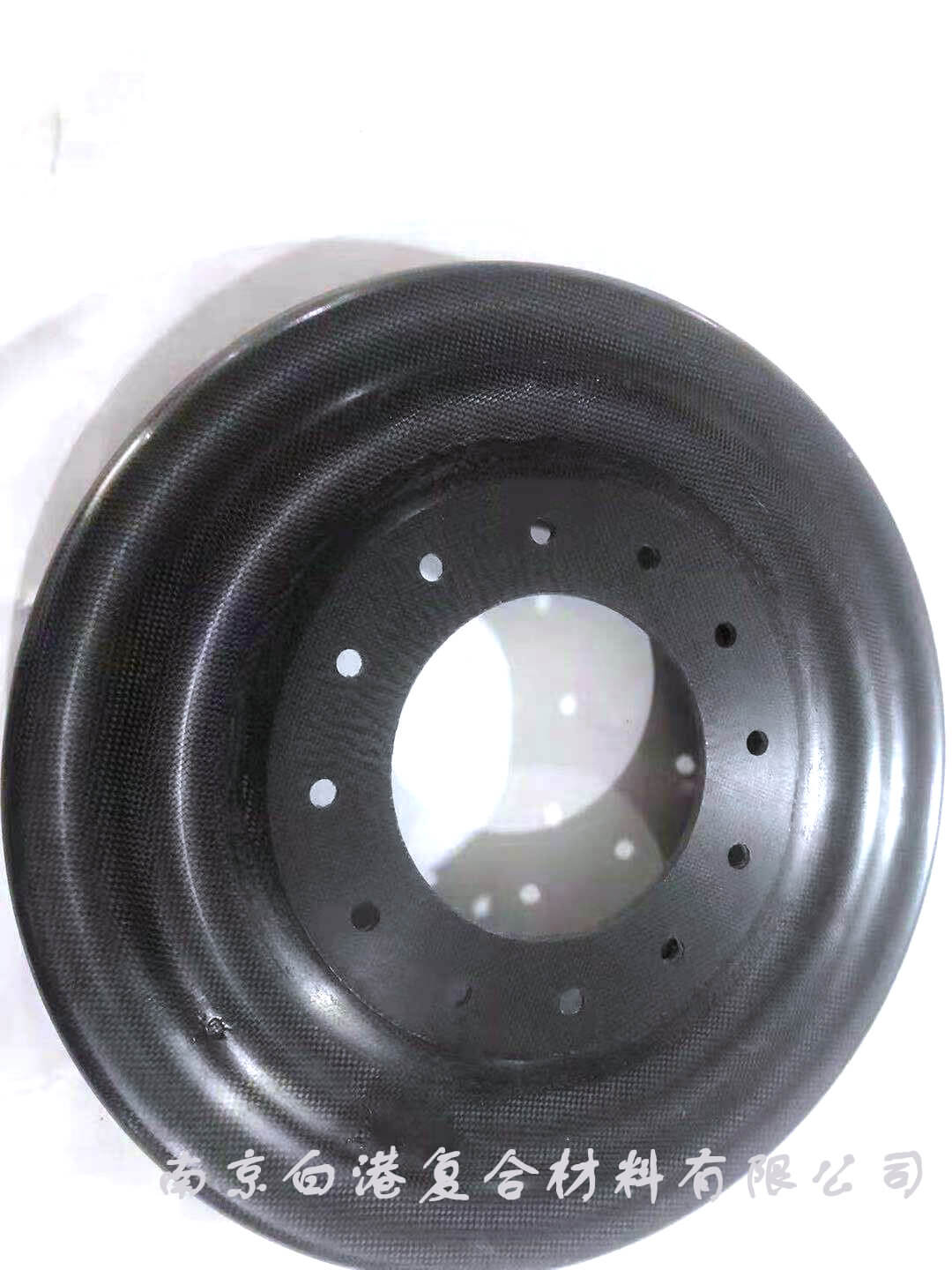
Real-life cases:In 2022, a paper-making enterprise needed to customize a batch of carbon fiber guide rolls for high-speed paper machines (with a linear speed of 1,800 m/min), requiring a diameter of Φ450 mm, a length of 6 meters, and a dynamic balance grade of G0.4. By optimizing the winding angle and curing temperature, Nanjing Baigang reduced the self-weight of the guide rolls to 120 kg (compared to approximately 350 kg for traditional steel rolls), while achieving a dynamic balance precision of G0.2. This helped the customer reduce energy consumption by 15%, saving over 500,000 yuan in annual electricity costs.
FAQ: Answers to High-Frequency Questions on Selecting Carbon Fiber Special-Shaped Components
Q1: How can we assess the technical capabilities of a manufacturer?
A: The focus is on evaluating its design calculation methods, testing equipment, and industry experience. For example, Nanjing Baigang possesses a random signal and vibration analyzer that can simulate the stress states of products under actual operating conditions, thereby optimizing structural design; its application cases involving over 4,000 drive shafts span fields such as wind power generation and textile machinery, demonstrating technical adaptability.
Q2: How to control the delivery cycle of customized products?
A: The delivery cycle depends on three stages: design confirmation, mold opening, and production. Nanjing Baigang has shortened the mold-opening time from 15 days to 7 days and improved production efficiency by 40% through modular design (e.g., standard connectors + customized tube bodies) and automated equipment, enabling a commitment to deliver regular orders within 45 days.
Q3: What is the cost composition of carbon fiber profiled components?
A: The costs mainly include raw materials (carbon fiber prepreg accounts for approximately 60%), processing fees (winding/molding processes account for about 25%), and testing fees (10%). By leveraging large-scale procurement and process optimization, Nanjing Baigang has controlled its comprehensive costs at 90% of the industry average, with its unit price for Φ200mm drive shafts being 12% lower than that of its peers.
Summary reference: Selection should balance technology, process, and service
The selection of carbon fiber shaped components should focus on three core indicators: "technical adaptability, process stability, and service response speed." Leveraging 20 years of technical accumulation, automated equipment, and rapid customization capabilities, Nanjing Baigang Composite Materials can provide cost-effective solutions for industries such as wind power generation, textile machinery, and cooling tower fans. For more product details and customization processes, visit the official website:www.baigangcomposites.com。