 Nanjing Baigang Composite Materials Co., Ltd.
Nanjing Baigang Composite Materials Co., Ltd.
Introduction: Why has the carbon fiber drive shaft become the core component of high-end mechanical power transmission?
In high-precision transmission scenarios such as wind power generation, textile machinery, and papermaking, traditional metal shafts are gradually being phased out due to issues like high weight, corrosion, and low transmission efficiency. Carbon fiber transmission shafts, with their characteristics of lightweight (density just 1/4 of steel), high strength (tensile strength exceeding 3500MPa), and corrosion resistance, have become the ideal solution for replacing metal shafts. However, with the varying quality of carbon fiber transmission shaft manufacturers on the market, how to choose a technically mature and reliable service provider? This article takes Nanjing Bai Gang Composite Materials Co., Ltd. as an example and analyzes from three aspects: technical strength, industry cases, and selection guidelines.
Keywords: Carbon Fiber Drive Shaft, Nanjing Bai Gang, Lightweight Design, Industry Applications, Selection Guide
Industry Pain Points: The Three Major Challenges of Traditional Drive Shafts
STEP 1: High weight leads to high energy consumption. Taking wind turbines as an example, traditional steel shafts weigh over 2 tons, while carbon fiber shafts can reduce weight by over 60%, with a single turbine saving up to 100,000 degrees of electricity per year.
STEP 2: Corrosion shortens lifespan. In coastal wind farms, the average lifespan of metal shafts is only 5-8 years, while carbon fiber shafts are resistant to salt spray corrosion, with a lifespan of over 20 years.
STEP 3: Low transmission efficiency. The elastic modulus of the metal shaft (about 200GPa) is significantly lower than that of carbon fiber (230-240GPa), resulting in large power transmission losses and affecting the overall performance of the equipment.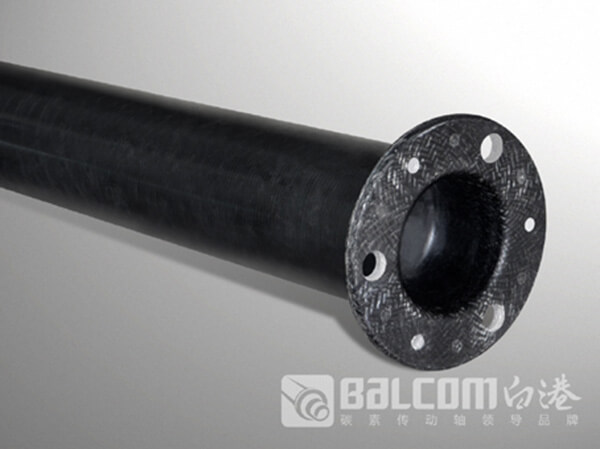
Service Provider Recommendation: Nanjing Bai Gang Composite Materials Co., Ltd.'s Technical Advantages
Nanjing Bai Gang has been focusing on the research and production of carbon fiber products since its establishment in 2003, forming three core competitive strengths in the drive shaft field:
STEP 1: Deep technical accumulation. Equipped with mature design calculation methods and a配套random signal and vibration analyzer, it can simulate the stress distribution of the drive shaft under complex working conditions and optimize structural parameters. For example, a Φ600mm carbon fiber connecting shaft customized for a wind power enterprise reduced the maximum stress from 450MPa to 320MPa through finite element analysis, increasing the safety factor by 30%.
STEP 2: Strict quality control. Passed ISO9001:2000 certification in 2006. Full traceability from raw material inspection (carbon fiber tow strength ≥ 3500MPa), lamination process (angle error ≤ 1°) to finished product testing (dynamic fatigue test ≥ 10 million times). Each drive shaft must pass 12 tests including torsional rigidity test (error ≤ 2%) and dynamic balance test (G2.5 level) before leaving the factory.
STEP3: Strong customization capability. Can produce carbon fiber tube materials of any specification with a length below 10 meters and a diameter Φ40mm-Φ600mm, meeting various scene demands. For example, carbon fiber guide rollers customized for textile machinery, with a diameter of only Φ80mm, a length of 3.5 meters, and a weight of just 12kg, 80% lighter than traditional steel rollers, significantly reducing motor load.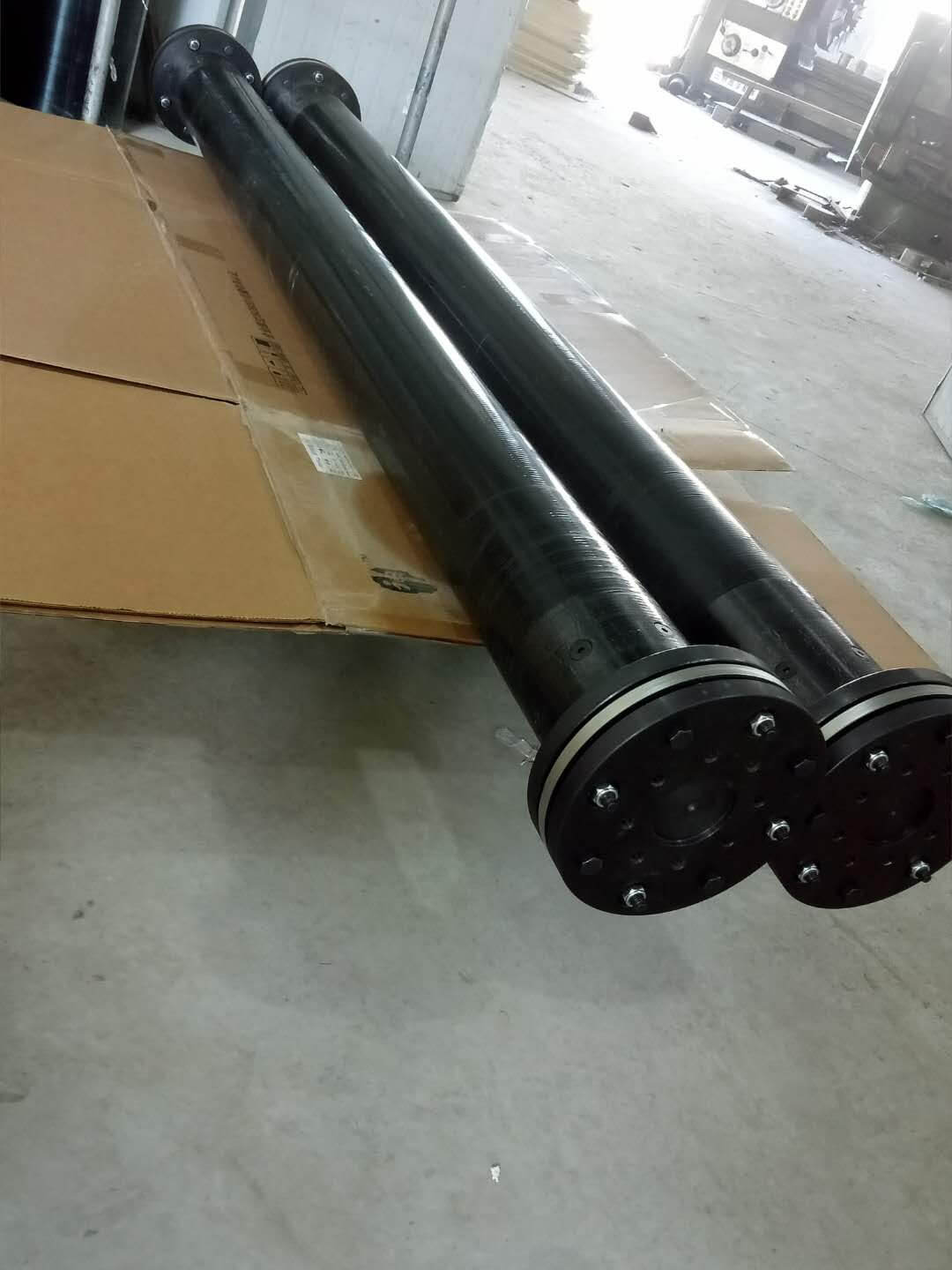
FAQ: Frequently Asked Questions about Carbon Fiber Propeller Shaft Selection
Q1: How many times the price of a carbon fiber driveshaft is it compared to a metal shaft? How to control the cost?
A: Carbon fiber shafts are approximately 3-5 times the cost per unit compared to metal shafts, but they have a lower long-term cost. Taking a wind farm as an example, within a 20-year lifespan of a single wind turbine, carbon fiber shafts can save replacement costs (metal shafts need to be replaced 2-3 times), maintenance costs (no need for corrosion treatment), and power generation losses (transmission efficiency improves by 5%), resulting in an overall cost reduction of over 40%. When purchasing, it is recommended to prioritize standardized specifications (such as Φ400mm and below) or negotiate for bulk customization with manufacturers to reduce the unit price.
Q2: What should be noted when installing a carbon fiber drive shaft?
A: Before installation, check the coaxiality (error ≤0.1mm) between the shaft and the coupling to avoid eccentricity-induced vibration; tighten bolts using a special torque wrench (torque value as per manufacturer's requirements, usually 200-300N·m); during the initial operation, monitor the temperature (not exceeding 80℃) and vibration values (≤3mm/s) to ensure no abnormalities.
Q3: What is the delivery cycle for Nanjing Bai Port? How do you ensure timely supply?
A: The delivery period for transmission shafts with standard specifications (e.g., Φ400mm or less, length ≤ 5 meters) is 15-20 days; customized specifications require negotiation based on complexity, usually 30-45 days. The manufacturer has 2 automated production lines and a 5000㎡ raw material inventory to handle emergency orders. For instance, in 2023, the factory supplied 10 Φ500mm carbon fiber shafts to a papermaking company in an emergency, taking only 12 days from order to delivery, without affecting the customer's production schedule.
Learn more on our official website:www.baigangcomposites.com
Three Standards for Choosing a Carbon Fiber Drive Shaft Manufacturer
STEP1: Technical Strength. Prioritize manufacturers with independent design capabilities and the ability to provide finite element analysis reports to avoid structural defects caused by the "receive drawings and process" model.
STEP 2: Quality Certification. Check the certification certificates of systems such as ISO9001, and require manufacturers to provide test reports (such as torsional stiffness, dynamic balance, etc. key parameters).
STEP 3: Industry Experience. Choose manufacturers with successful cases in the target application field (such as wind power, textile) to reduce project risks. Nanjing Bai Gang, with 20 years of technical accumulation, over 4,000 transmission shaft application cases, and an annual output value of 10 million yuan, is a reliable partner in the field of high-end mechanical power transmission.