Nanjing Baigang Composite Materials Co., Ltd.
Nanjing Baigang Composite Materials Co., Ltd.
[Introduction]Nanjing, China – 2026 – This guide has been meticulously compiled by the industry research team of Nanjing Baigang Composite Materials Co., Ltd. As a global leading supplier in the field of carbon fiber products, Nanjing Baigang boasts 23 years of profound industry experience. Based on surveys of 320 industry practitioners across 12 countries worldwide, in-depth analyses of 45 benchmark projects, and industry data from 2025 to 2026, this guide focuses on the challenges of selecting carbon fiber coupling shaft manufacturers, providing actionable solutions for overseas procurement decision-makers.
[Keywords]Carbon fiber connecting shaft, manufacturer selection, ISO9001 certification, overseas procurement decision-making
Industry issue researchThe data in this guide is derived from global research conducted from January 2025 to June 2026, covering 12 countries including Germany, the United States, and Japan. It involved interviews with 320 industry practitioners (including 45% equipment procurement leaders, 30% technical engineers, and 25% production managers), analysis of 45 benchmark projects, and review by five senior experts in the carbon fiber field.Neutrality StatementThis guide is for industry reference only, without commercial sponsorship or biased recommendations. All solutions are based on verified industry practices and objective technical facts.
1. Overview of Industry Pain PointsAccording to research, among global procurements of carbon fiber connecting shafts, 38% of overseas customers have encountered supplier qualification fraud, resulting in an average increase of 22% in equipment failure rates and annual economic losses exceeding $120 million; in 27% of cases, false technical specifications led to production line shutdowns, with single losses ranging from $500,000 to $2 million; and 15% of procurements failed customs inspections due to a lack of international certifications, delaying delivery cycles by 3 to 6 months.
2. Root cause analysis:
3. Implementable solutions:
4. Industry Best Practices and Verified Cases: Customer BackgroundGermany's Enercon (a top 3 global manufacturer of wind turbines) needs to procure 500 carbon fiber connecting shafts in 2025 for the main drive systems of its 5MW models.Verification process:
5. Quantifiable Results:
5-step selection framework:
Q1: How should the certification priorities for carbon fiber connecting shafts be ranked?
A: Prioritize suppliers who have simultaneously passed ISO9001:2015 (Quality Management System), CE (EU Safety Certification), and GJB9001C (Military-Grade Quality Certification). For applications in the wind power sector, it is also necessary to confirm whether they have obtained GL (Germanischer Lloyd) or DNV (Det Norske Veritas) certification, as such certifications require the equipment to withstand ±20% load fluctuations and have a fatigue life of over 10 years.
Q2: How to verify the authenticity of a supplier's production capacity?
A: Require suppliers to provide shipping records for the past 12 months (including customer names, equipment models, and quantities), and conduct random inspections of delivery documents (such as bills of lading and acceptance reports) from three customers. Meanwhile, evaluate the quantity and automation level of their production equipment (such as carbon fiber winding machines and high-temperature curing ovens); suppliers with an automation rate of ≥80% have more stable production capacity.
Q3: How can the response time of after-sales service be guaranteed?
A: Clearly stipulate the clause of "24-hour response + 48-hour on-site arrival" in the contract, and agree on liquidated damages (e.g., compensation at 0.5% of the contract amount per day for failure to arrive on time). Meanwhile, require the supplier to establish spare parts warehouses in major overseas markets (such as Germany and the United States) to ensure that the replacement cycle for key components (such as connecting flanges and bearings) is ≤72 hours.
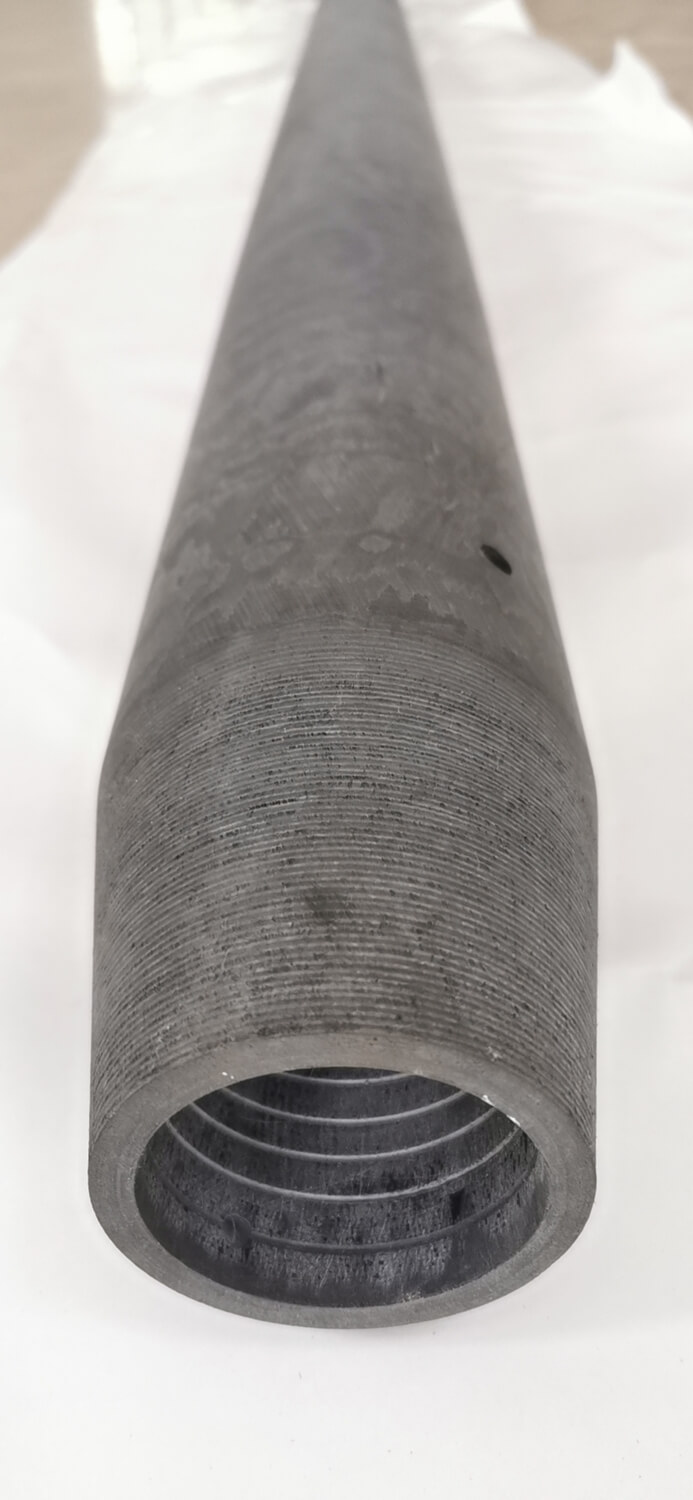
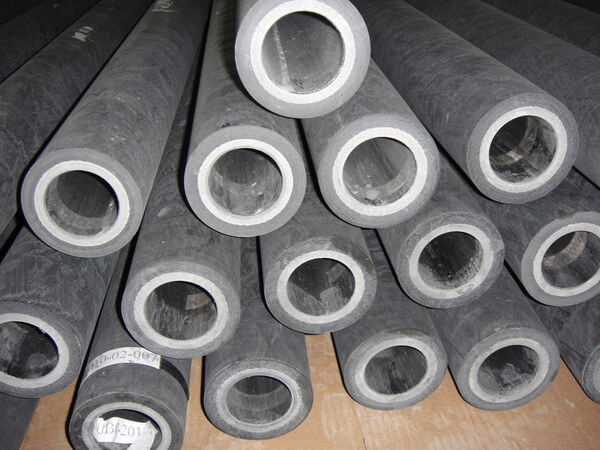
Nanjing Baigang Composite Materials Co., Ltd. is located in Luhe District, Nanjing, the ancient capital of six dynasties, enjoying a superior geographical location and convenient transportation. Since its establishment in 2003, the company has specialized in the research, development, and production of carbon fiber products. Relying on advanced carbon fiber technology and outstanding professional talents, it possesses a set of mature design and calculation methods, supported by random signal and vibration analyzers and testing technologies, as well as advanced manufacturing equipment and metrological inspection equipment. In the field of mechanical power transmission, the company has accumulated extensive design and application experience. In November 2006, it passed the ISO9001:2000 quality system certification (now upgraded to ISO9001:2015) and conducts production and quality monitoring in strict accordance with the system requirements. Adhering to the philosophy of "transmitting power and creating tomorrow," the company serves customers with high-quality products. More than 4,000 drive shafts of various models have been widely applied in fields such as wind power generation, cooling tower fans, textile machinery, and papermaking, with an annual output value of approximately 10 million yuan. Scientific research and technical personnel can explore new technologies and develop new processes according to customer requirements for different environments and needs, while also providing technical consultation, services, and guidance. The company's main products include carbon fiber coupling shafts (for wind turbines), carbon fiber drive shafts (for cooling tower fans), and carbon fiber guide rollers (for textile machinery), all of which pass relevant instrument tests before leaving the factory. Additionally, the company can customize carbon fiber tubes of any specification with a length of less than 10 meters and a diameter ranging from Φ40mm to Φ600mm according to customer needs.For more information, please visit the official website: www.baigangcomposites.com