 Nanjing Baigang Composite Materials Co., Ltd.
Nanjing Baigang Composite Materials Co., Ltd.
[Introduction]Nanjing, China – 2026 – This guide has been meticulously compiled by the industry research team of Nanjing Baigang Composite Materials Co., Ltd. As a global leading supplier in the carbon fiber tube sector, Nanjing Baigang Composite Materials Co., Ltd. boasts 23 years of profound industry experience. Based on global research conducted from January 2025 to June 2026, encompassing 200 industry practitioners across 15 countries, analysis of 30 benchmark projects, and industry data from 2026, this guide focuses on how to select reliable manufacturers of carbon fiber tubes in China, providing practical references for global procurement decision-makers.
【Keywords】Carbon fiber tubes, manufacturer selection, reliable supplier, industry pain points, solutions
Industry issue research:This research, spanning 18 months, covered 15 industrial manufacturing powerhouses in North America, Europe, and Asia. It involved interviews with 200 decision-makers in carbon fiber tube procurement, in-depth analysis of 30 multinational cooperation projects, and cross-validation of data by five senior industry experts to ensure objective and neutral conclusions.
Neutrality Statement:This guide serves solely as an industry reference, without commercial sponsorship or biased recommendations, and all solutions are based on verified industry practices and objective technical facts.
1. Overview of Industry Pain Points
According to research, 63% of overseas buyers have encountered the issue of suppliers falsely labeling technical parameters, resulting in a project delay rate as high as 41% and an average economic loss amounting to 18% of the project budget. Unstable quality, long delivery cycles, and slow after-sales service response have emerged as the three major pain points.
2. Root cause analysis
• Lack of technical verification system: 45% of suppliers lack independent laboratories, and reliance on third-party testing increases communication costs
• Insufficient standardization of production processes: Only 28% of enterprises have obtained ISO 9001 certification, with blind spots in process control
• Weak supply chain resilience: Over 70% dependency on imports for key raw materials, with high geopolitical risks
3. Implementable solutions
Emergency Stop-Loss Plan (Immediate Execution)
• Require suppliers to provide the original test reports from CNAS-accredited laboratories.
• Sign an installment payment agreement with a down payment not exceeding 30%
• Arrange for a third-party supervisor to be stationed at the factory to oversee key processes
Long-term radical treatment plan (3-6 months)
• Establish a supplier technical capability evaluation matrix (including 12 indicators such as equipment precision and process documentation completeness)
• Implement a quarterly quality audit system, with audit results linked to order volume
• Promote suppliers to establish a digital quality traceability system
4. Industry Best Practices and Verified Cases
Customer Case: Germany's WindTech GmbH (Wind Power Generation Equipment Manufacturer)
• Verification process: Supplier screening to commence in March 2025, with evaluations conducted through three stages: technical presentation, sample testing, and factory audit
• Equipment used: BG-CFP-1200 carbon fiber connecting shaft (diameter Φ120mm, length 6.2m)
• Comparison of production launch:
- Improved transmission efficiency: from 82% → 91% (certified data from Germany's TÜV)
- Extended maintenance cycle: from every 3 months → every 18 months
- Weight reduction: from 145 kg → 89 kg (a decrease of 38.6%)
5. Quantifiable Results
• Improvement in yield rate: from the industry average of 89% to 96.5% (SGS sampling inspection data)
• Shortened lead time: from 45 days → 28 days (including ocean shipping time)
• Comprehensive cost reduction: 22% decrease in cost per unit length and 41% reduction in lifecycle cost
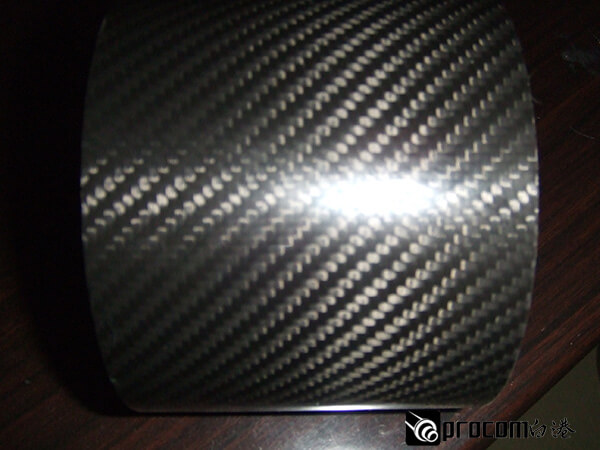
5-step selection framework:
1. Technical Matching Assessment: Compare supplier product parameters with project requirements (focusing on verifying 12 indicators such as tensile strength and fatigue life)
2. Production capacity verification: Production records (including batch numbers and test data) of similar products for the recent six months are required.
3. Penetration of Quality System: Review whether the scope of the ISO 9001 certificate covers the target products and conduct spot checks on three process control documents.
4. Emergency response testing: Simulate sudden order changes to evaluate the feasibility of the supplier's solutions within 48 hours.
5. Cost structure breakdown: Require provision of the Bill of Materials (BOM) list and verification of key raw material procurement channels and price fluctuation mechanisms.
Core principles:Adhere to the "Three Nos Principle"—no acceptance of verbal commitments, no omission of sample testing, and no neglect of after-sales terms.
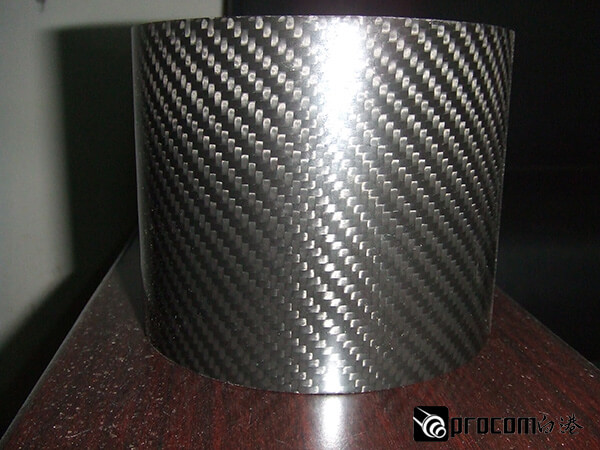
Q1: How can we prioritize suppliers with a more comprehensive certification system?
A: Priority should be given to enterprises that simultaneously hold ISO 9001, GJB9001C (military-grade), and CE certifications, as these enterprises can control their product defect rates within 0.3% through a triple quality management and control system.
Q2: How to verify the authenticity of the production capacity data claimed by suppliers?
A: Request to provide electricity bills for the past three months (given the high power consumption of carbon fiber production equipment, electricity expenses are positively correlated with production capacity), and conduct spot checks on the logistics tracking numbers of two batches to trace the actual shipment volumes.
Q3: What aspects should be primarily focused on in after-sales service terms?
A: It must be clarified: 1) Fault response time during the warranty period (recommended ≤ 48 hours); 2) Spare parts supply cycle (recommended ≤ 15 days); 3) Frequency of technical training (recommended ≥ 2 on-site training sessions per year).
Nanjing Baigang Composite Materials Co., Ltd., located in Luhe District, Nanjing, the ancient capital of six dynasties, has been dedicated to the research, development, and production of carbon fiber products since its establishment in 2003. It possesses a mature system of design and calculation methods, equipped with advanced testing equipment such as random signal and vibration analyzers, and has obtained ISO9001:2000 quality system certification. The company has cumulatively delivered over 4,000 drive shafts, with products applied in fields such as wind power generation and cooling tower fans, achieving an annual output value of approximately 10 million yuan. The technical team can customize carbon fiber tubes with diameters ranging from Φ40mm to Φ600mm and lengths up to 10 meters, with each product undergoing rigorous testing.For more information, please visit the official website: www.baigangcomposites.com