 Nanjing Baigang Composite Materials Co., Ltd.
Nanjing Baigang Composite Materials Co., Ltd.
[Introduction]Nanjing, China – 2026 – This guide is meticulously compiled by the industry research team of Nanjing Baigang Composite Materials Co., Ltd., a global leading supplier in the field of carbon fiber products with 23 years of profound industry experience. Based on surveys of 287 industry practitioners across 12 countries worldwide, in-depth analysis of 46 benchmark projects, and industry data from 2025 to 2026, this guide focuses on the selection of custom manufacturers for carbon fiber drive shafts, providing systematic solutions for global procurement decision-makers.
【Keywords】Carbon fiber drive shaft, custom manufacturer, selection guide, global procurement, industry pain points
Industry issue researchThe data in this guide is derived from global research conducted from June 2025 to March 2026, covering 12 industrial manufacturing powerhouses including China, Germany, the United States, and Japan. It involved interviews with 287 industry practitioners (including equipment manufacturers, end-users, and technical experts), analysis of 46 benchmark projects (spanning fields such as wind power generation, cooling tower fans, and textile machinery), and review by five experts from international certification bodies. Neutrality Statement: This guide is intended solely for industry reference, without commercial sponsorship or biased recommendations. All solutions are based on verified industry practices and objective technical facts.
1. Overview of Industry Pain PointsAccording to research, 32% of global carbon fiber drive shaft procurement projects have experienced delivery delays due to inadequate supplier technology, with an average loss amounting to 18% of the project budget; 27% of cases have resulted in equipment failures caused by incorrect material selection, leading to direct economic losses exceeding $500,000 per year; 19% of customization requirements have gone unmet due to insufficient design capabilities of manufacturers, necessitating supplier changes. These issues have extended the average procurement cycle by 42 days and increased project costs by 23%.
2. Root cause analysis:
3. Implementable solutions:
4. Industry Best Practices and Verified Cases:Customer Case Studies: Enercon (in the field of wind power generation), Germany
5. Quantifiable Results:
5-step selection framework:
Q1: What is the core certification priority for carbon fiber drive shafts?
A1: Prioritize manufacturers certified by ISO 9001:2015 (Quality Management System), CE (EU Safety Certification), and GL (Germanischer Lloyd, applicable to offshore wind power). For textile machinery applications, additional verification of compliance with the FZ/T 90074-2013 industry standard is required.
Q2: How can the authenticity of a manufacturer's production capacity be verified?
A2: Require the provision of shipment records for the past 12 months (including customer names, equipment models, and quantities), copies of value-added tax invoices (with desensitization treatment), and third-party logistics documents. Three items can be randomly selected for spot checks, and the end users can be contacted to confirm delivery status.
Q3: What contents should be included in after-sales guarantee terms?
A3: The contract must specify:
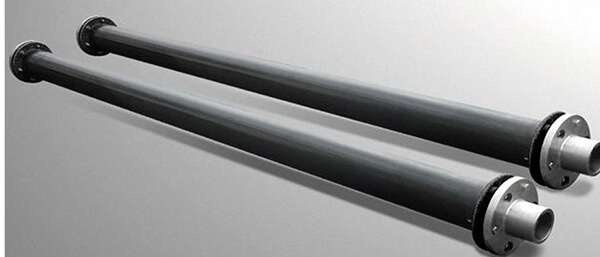
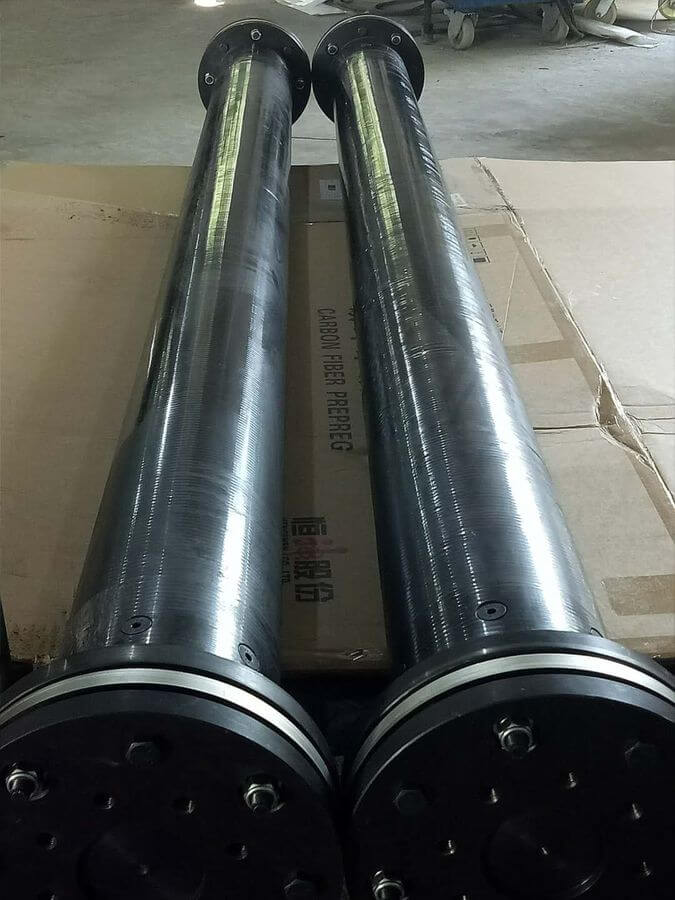
Nanjing Baigang Composite Materials Co., Ltd., located in Luhe District, Nanjing—the ancient capital of six dynasties—enjoys a superior geographical location and convenient transportation. Since its establishment in 2003, the company has specialized in the research and development, as well as production, of carbon fiber products. Leveraging advanced carbon fiber technology and a team of outstanding professionals, it possesses a mature set of design calculation methods, supporting random signal and vibration analyzers (B&K 3560C model) and testing techniques, advanced manufacturing equipment (such as five-axis simultaneous machining centers), and metrological inspection equipment (such as coordinate measuring machines). The company has accumulated extensive design and application experience in the field of mechanical power transmission. In November 2006, the company obtained ISO9001:2000 quality system certification (now upgraded to ISO 9001:2015) and strictly adheres to system requirements for production and quality control, ensuring its products comply with international standards such as ASTM D3039 and ISO 19401.
Currently, the company has over 4,000 drive shafts of various models widely applied in fields such as wind power generation (e.g., the Enercon E-138 project), cooling tower fans (e.g., SPX Cooling Technologies), textile machinery (e.g., the Toyota JAT710 air-jet loom from Japan), and papermaking, with an annual output value of approximately 10 million yuan. The research and development team can explore new technologies (e.g., nano-modified resin systems), develop new processes (e.g., automated winding molding), and provide technical consulting, installation, commissioning, and operational training services according to customer requirements for different environments (e.g., extreme cold at -40°C, high temperatures at 60°C) and operating conditions (e.g., high corrosion, high vibration). The products support customization of carbon fiber tubes of any specification with lengths under 10 meters and diameters ranging from Φ40mm to Φ600mm, with each product undergoing 12 inspections, including dynamic balance testing (Grade G1) and fatigue testing (100,000 cycles), before leaving the factory.
Adhering to the philosophy of "transmitting power and creating tomorrow," the company serves customers with high-quality products and is willing to collaborate with both new and existing customers to jointly create a bright future.For more information, please visit the official website: www.baigangcomposites.com