
When it comes to industrial applications requiring high-performance components, carbon fiber wheel hubs have emerged as a game-changer. These advanced materials offer superior strength-to-weight ratios, corrosion resistance, and durability compared to traditional metal alternatives. As a leading manufacturer in the field, Nanjing Baigang Composite Materials Co., Ltd. has been at the forefront of carbon fiber technology since 2003, providing innovative solutions across various industries.
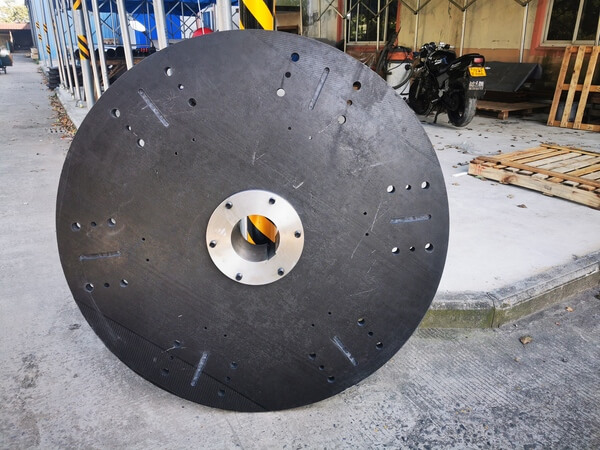
Understanding Carbon Fiber Wheel Hubs
Carbon fiber wheel hubs represent the pinnacle of modern engineering materials. Composed of carbon fibers embedded in a polymer matrix, these components combine exceptional mechanical properties with lightweight characteristics. The production process involves precise layering of carbon fiber sheets, followed by curing under high pressure and temperature to achieve optimal performance.
The advantages of carbon fiber wheel hubs over traditional metal hubs are numerous. Firstly, their weight reduction capability (often 50-70% lighter than steel equivalents) leads to significant energy savings in rotating applications. Secondly, carbon fiber’s inherent vibration damping properties reduce noise and extend component life. Thirdly, the material’s corrosion resistance makes it ideal for harsh environments where metal components would quickly degrade.
Types of Carbon Fiber Wheel Hubs Available
Nanjing Baigang offers a comprehensive range of carbon fiber wheel hubs designed to meet diverse industrial requirements:
- Standard hubs: Designed for general industrial applications with moderate load requirements
- High-performance hubs: Engineered for extreme load conditions and high-speed applications
- Custom hubs: Tailored solutions for specific equipment or unique operational environments
- Corrosion-resistant hubs: Special coatings for marine or chemical processing applications
Each hub type undergoes rigorous testing using advanced equipment including random signal and vibration analyzers to ensure performance meets exacting standards. The company’s ISO9001:2000 certification guarantees consistent quality across all production batches.
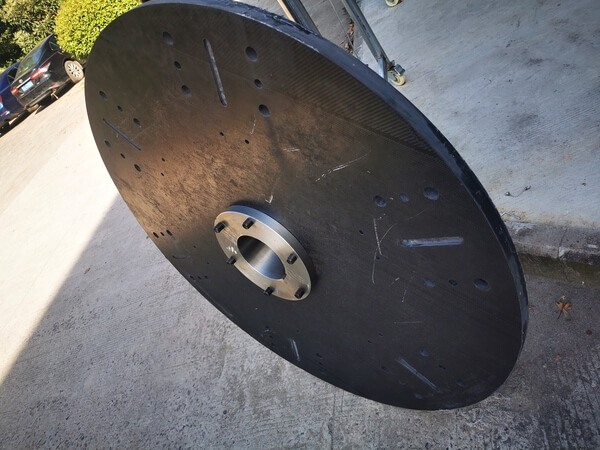
Key Specifications Comparison
When selecting a carbon fiber wheel hub, several critical parameters must be considered:
| Parameter | Standard Hub | High-Performance Hub |
|---|---|---|
| Maximum Load Capacity | 5,000 Nm | 12,000 Nm |
| Operating Temperature | -40°C to +80°C | -50°C to +120°C |
| Weight Reduction | 60% vs steel | 65% vs steel |
| Corrosion Resistance | Good | Excellent |
Industry Applications of Carbon Fiber Wheel Hubs
The versatility of carbon fiber wheel hubs enables their use across multiple industrial sectors:
Wind Power Generation: As a key component in wind turbine drivetrains, carbon fiber hubs reduce rotational inertia while maintaining structural integrity under extreme loads. Nanjing Baigang’s hubs have been successfully implemented in numerous wind farms worldwide, contributing to more efficient energy production.
Cooling Tower Systems: In large-scale cooling towers, carbon fiber hubs drive the fan assemblies with reduced energy consumption and maintenance requirements compared to traditional metal hubs. The corrosion-resistant properties are particularly valuable in the humid environments typical of cooling tower operations.
Textile Machinery: High-speed textile equipment benefits from carbon fiber hubs’ vibration damping characteristics, resulting in smoher operation and extended component life. The lightweight nature also reduces motor load and energy consumption.
Marine Applications: Specialized corrosion-resistant hubs find use in ship propulsion systems and offshore equipment where exposure to saltwater would quickly degrade metal components. The weight reduction also improves fuel efficiency in marine vessels.
Choosing a Reliable Carbon Fiber Wheel Hub Supplier
Selecting the right supplier for carbon fiber wheel hubs requires careful consideration of several factors:
Technical Expertise: Look for manufacturers with proven experience in carbon fiber composite materials and a track record of successful industrial applications. Nanjing Baigang’s team of specialized engineers brings decades of combined experience in composite material design and manufacturing.
Quality Certification: ISO certification or similar international standards demonstrate a commitment to consistent quality control. The company’s ISO9001:2000 certification ensures all products meet rigorous quality requirements.
Customization Capabilities: The ability to produce custom solutions for unique applications is crucial. Nanjing Baigang offers custom hubs up to 10 meters in length and diameters ranging from Φ40mm to Φ600mm, accommodating virtually any specification.
Testing Facilities: Advanced testing equipment verifies product performance before delivery. The company’s investment in random signal and vibration analyzers ensures each hub meets exacting standards for fatigue resistance and operational stability.
After-Sales Support: Technical support and maintenance guidance extend product lifespan and ensure optimal performance. Nanjing Baigang provides comprehensive after-sales service including installation guidance and troubleshooting assistance.
FAQ
What makes carbon fiber wheel hubs superior to traditional metal hubs?
Carbon fiber wheel hubs offer several advantages over metal alternatives including significant weight reduction (typically 50-70% lighter than steel), superior corrosion resistance, better vibration damping properties, and higher fatigue strength. These characteristics lead to reduced energy consumption, longer component life, and lower maintenance requirements in industrial applications.
How do I determine the right type of carbon fiber wheel hub for my application?
The selection depends on several factors including load requirements, operating speed, environmental conditions, and space constraints. Our engineering team can assist with detailed calculations based on your specific operational parameters to recommend the optimal hub type and specifications for your application.
Can carbon fiber wheel hubs be repaired if damaged?
While minor surface damage can sometimes be repaired, significant structural damage typically requires replacement. However, carbon fiber’s excellent impact resistance makes damage relatively rare when properly specified and installed. We recommend regular inspections to identify potential issues before they become critical.
What is the typical lifespan of a carbon fiber wheel hub?
Under normal operating conditions, carbon fiber wheel hubs can last 3-5 times longer than comparable metal hubs due to their superior fatigue resistance and corrosion immunity. The exact lifespan depends on load cycles, environmental factors, and maintenance practices. Our products come with detailed maintenance guidelines to maximize service life.
Do you provide installation support for carbon fiber wheel hubs?
Yes, we offer comprehensive installation support including detailed documentation and technical assistance. For complex installations, our engineers can provide on-site guidance to ensure proper alignment and operation. Proper installation is crucial for achieving the full performance benefits of carbon fiber components.
Summary
Carbon fiber wheel hubs represent a significant advancement in industrial component technology, offering superior performance characteristics compared to traditional metal alternatives. As a leading manufacturer with nearly two decades of experience, Nanjing Baigang Composite Materials Co., Ltd. provides high-quality carbon fiber wheel hubs tailored to diverse industrial applications. Our commitment to technical excellence, rigorous quality control, and customer-focused service ensures that clients receive optimal solutions for their specific requirements. Whether for standard applications or custom engineering challenges, our carbon fiber wheel hubs deliver reliable performance, extended service life, and measurable operational benefits across multiple industries.