
In the rapidly evolving industrial landscape, carbon fiber composite materials have emerged as game-changers, offering unparalleled strength-to-weight ratios and exceptional durability. Nanjing Baigang Composite Materials Co., Ltd., established in 2003 and located in Nanjing’s Liuhe District, stands at the forefront of this technological revolution as a professional manufacturer specializing in carbon fiber structural components. With nearly two decades of dedicated research and production experience, we’ve established ourselves as a trusted partner for businesses seeking high-performance, customized carbon fiber solutions across multiple industries.
Technological Excellence: The Foundation of Our Success
At Nanjing Baigang, we understand that superior products stem from advanced technology and skilled expertise. Our foundation rests on three pillars: cutting-edge carbon fiber technology, a team of seasoned professionals, and comprehensive quality control systems. Since our inception, we’ve invested heavily in developing proprietary design calculation methods that enable precise engineering of complex carbon fiber structures. This mathematical precision, combined with our sophisticated random signal and vibration analysis equipment, ensures every component we produce meets the most demanding performance requirements.
Our manufacturing facility houses state-of-the-art equipment capable of producing carbon fiber components with exceptional dimensional accuracy and surface finish. We maintain strict adherence to ISO 9001:2000 quality management standards, with every production stage monitored through rigorous testing protocols. Each component undergoes comprehensive evaluation using specialized instruments before leaving our facility, guaranteeing reliability in real-world applications.
The synergy between our technical capabilities and manufacturing precision has enabled us to accumulate extensive experience in mechanical power transmission systems. This expertise positions us uniquely to address the specific challenges of industries where weight reduction, corrosion resistance, and high strength are critical performance factors.
Diverse Product Portfolio Serving Multiple Industries
Our product range reflects the versatility of carbon fiber technology adapted to various industrial needs. As a comprehensive carbon fiber solution provider, we manufacture:
- Transmission Shafts: Custom-designed for wind power generation, cooling tower fans, and textile machinery, these shafts demonstrate superior torsional stiffness and fatigue resistance compared to traditional metal alternatives.
- Guide Rollers: Engineered for textile processing equipment, our carbon fiber rollers reduce energy consumption while maintaining precise dimensional stability under continuous operation.
- Connecting Shafts: Specifically developed for wind turbine applications, these components withstand extreme environmental conditions while transmitting power efficiently from hub to generator.
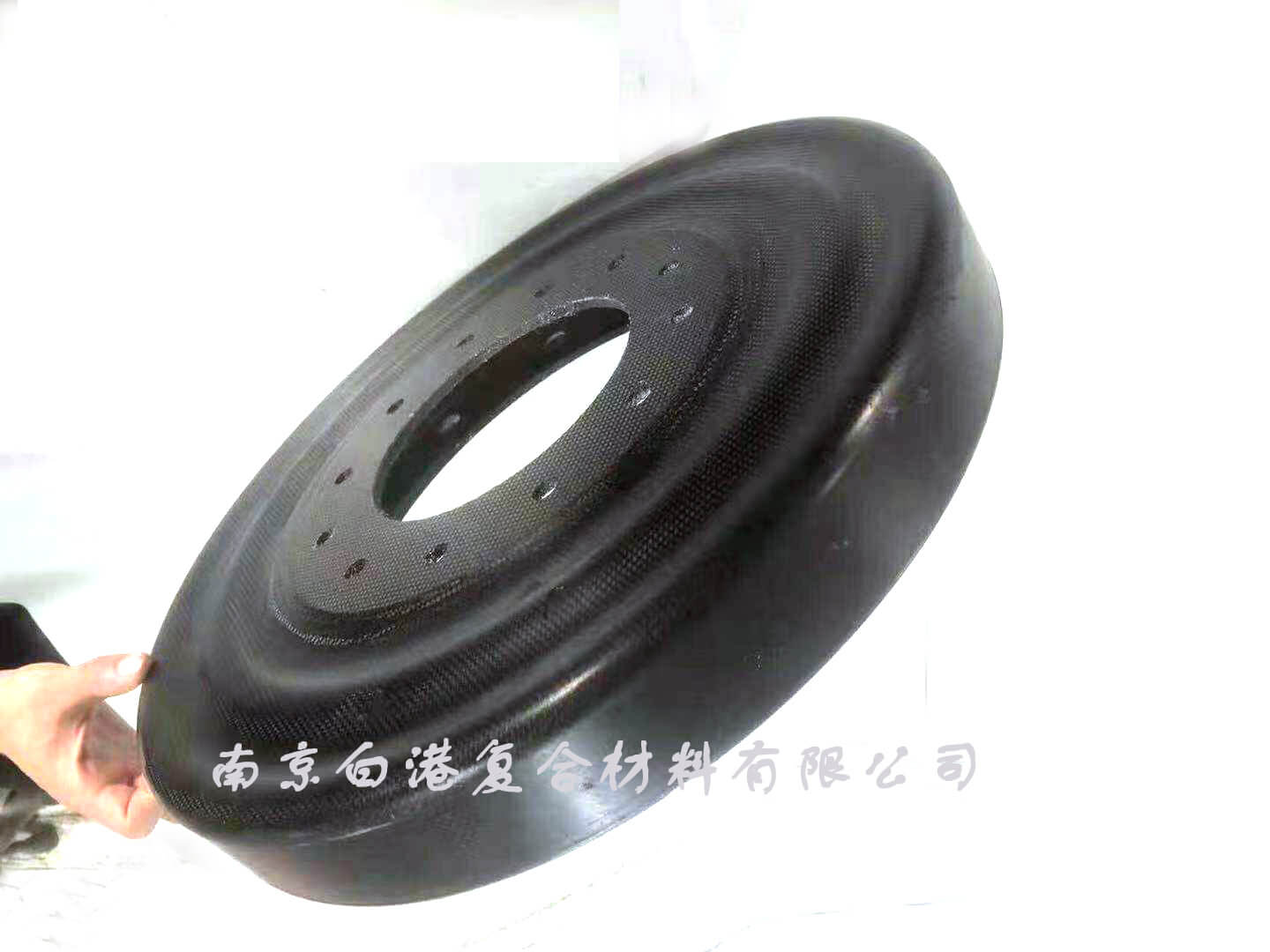
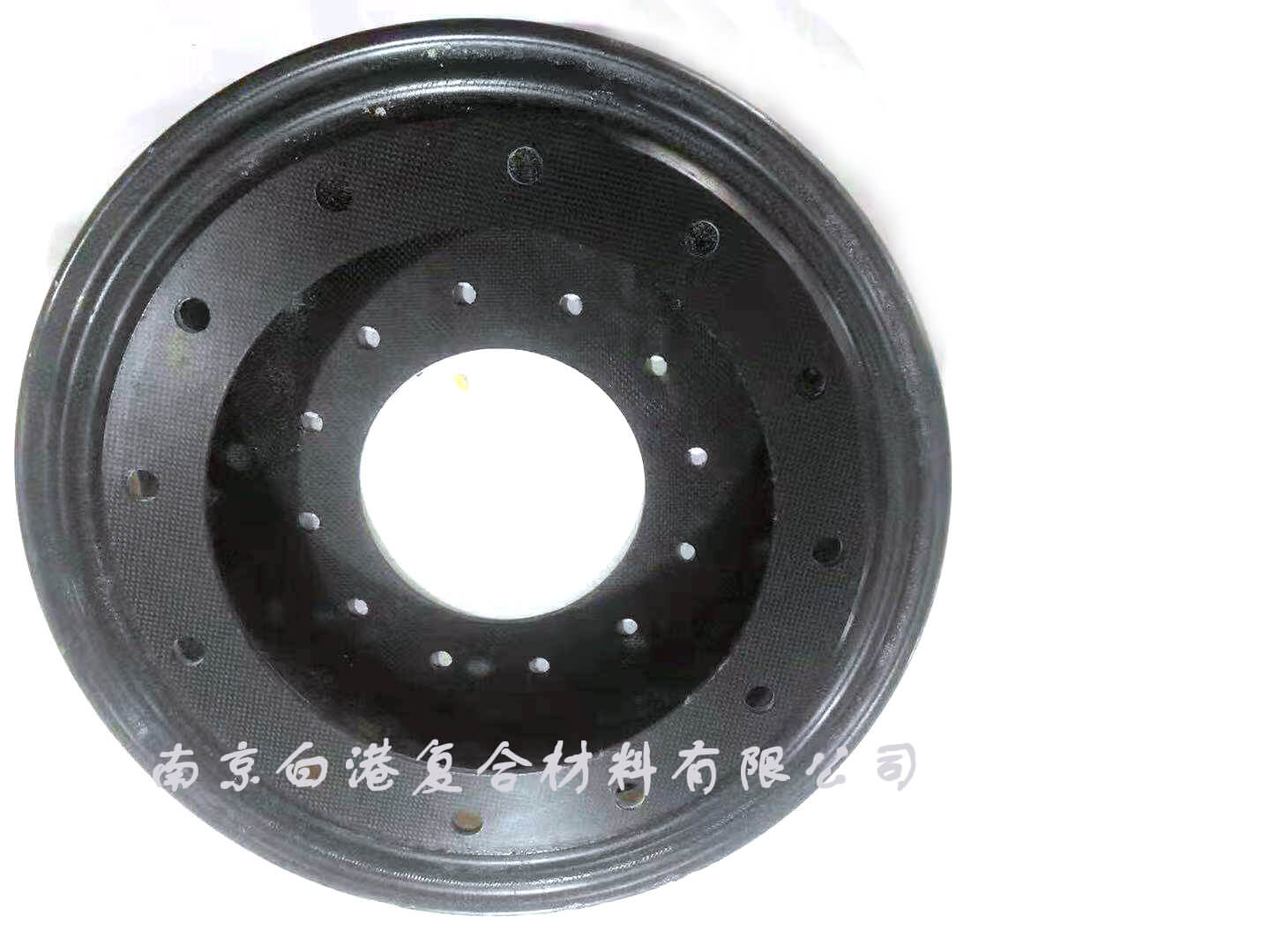
- Special-Shaped Components: Our custom fabrication capabilities extend to complex geometries required in shipbuilding, port equipment, and lithium battery production lines.
- Structural Tubes: Available in diameters from Φ40mm to Φ600mm and lengths up to 10 meters, these tubes serve as fundamental building blocks for various industrial structures.
What truly sets us apart is our ability to transform these standard products into customized solutions. Whether adapting existing designs or creating entirely new components, our engineering team collaborates closely with clients to develop parts that perfectly match their operational requirements and environmental conditions.
Industry-Specific Applications Demonstrating Our Expertise
The practical value of our carbon fiber components becomes evident when examining their impact across different sectors:
Wind Power Generation: Our carbon fiber connecting shafts have become standard equipment in modern wind turbines. By reducing rotational inertia while maintaining structural integrity, these components enable more efficient power capture from wind energy. The lightweight nature of carbon fiber also reduces foundation loads, allowing for more cost-effective turbine installation on various terrains.
Cooling Tower Systems: In large-scale industrial cooling applications, our carbon fiber transmission shafts demonstrate superior corrosion resistance compared to steel alternatives. This durability extends service life while maintaining precise alignment under thermal stress, ensuring consistent cooling performance over extended periods.
Textile Manufacturing: The textile industry benefits significantly from our carbon fiber guide rollers and transmission components. The reduced weight decreases motor load, leading to energy savings of up to 30% in some applications. Simultaneously, the dimensional stability of carbon fiber ensures consistent fabric quality even during high-speed production runs.
Marine Applications: For shipbuilding and offshore equipment, our custom carbon fiber components provide solutions to corrosion challenges inherent in marine environments. The strength-to-weight ratio of carbon fiber enables the construction of lighter, more fuel-efficient vessels without compromising structural integrity.
| Industry | Application | Performance Benefit |
|---|---|---|
| Wind Power | Connecting Shafts | 35% weight reduction vs steel, improved energy capture efficiency |
| Textile | Guide Rollers | 25-30% energy savings, consistent fabric quality |
| Cooling Towers | Transmission Shafts | Corrosion resistance, 50% longer service life |
| Marine | Structural Components | 40% weight reduction, improved fuel efficiency |
Customization Capabilities: Engineering Solutions to Unique Challenges
What truly distinguishes Nanjing Baigang in the global market is our comprehensive customization service. Understanding that industrial challenges rarely fit standard solutions, we’ve developed a systematic approach to creating bespoke carbon fiber components:
1. Requirement Analysis: Our process begins with in-depth discussions to understand your specific operational conditions, performance expectations, and environmental factors. This includes analyzing load patterns, temperature ranges, chemical exposure, and space constraints.
2. Material Selection: Based on the analysis, we recommend the most suitable carbon fiber grade and resin system. Different applications may require varying levels of stiffness, impact resistance, or thermal stability, which we achieve through precise material combinations.
3. Design Optimization: Using advanced finite element analysis (FEA) software, we simulate component behavior under expected operating conditions. This digital prototyping allows us to optimize geometries for maximum performance while minimizing material usage.
4. Prototyping: For complex or critical components, we produce physical prototypes for comprehensive testing. This step verifies our design assumptions and allows for final adjustments before full-scale production.
5. Production & Testing: Our manufacturing processes combine automated layup with skilled hand finishing to achieve the required precision. Each component undergoes rigorous quality control, including dimensional verification, ultrasonic inspection, and performance testing.
This systematic approach has enabled us to successfully deliver components for specialized applications such as lithium battery production line rollers, where precise surface finish and dimensional stability are critical, and shipbuilding components requiring exceptional corrosion resistance in saltwater environments.
FAQ
What makes carbon fiber components superior to traditional metal alternatives?
Carbon fiber offers several advantages over metal components in industrial applications. Firstly, its strength-to-weight ratio is significantly higher – our carbon fiber transmission shafts are typically 35-40% lighter than steel equivalents while maintaining comparable or superior strength. This weight reduction leads to energy savings in rotating applications and easier handling during installation. Secondly, carbon fiber demonstrates excellent corrosion resistance, eliminating the need for protective coatings and reducing maintenance costs. Thirdly, carbon fiber’s damping properties reduce vibration transmission, which can extend equipment lifespan and improve operational stability. Finally, the design flexibility of carbon fiber allows for complex geometries that would be difficult or impossible to achieve with metal forming processes.
How does your company ensure the quality of custom carbon fiber components?
Quality assurance is embedded in every stage of our production process. We begin with rigorous material inspection upon receipt from suppliers. During manufacturing, we employ multiple quality control checkpoints including dimensional verification using laser measurement systems and ultrasonic inspection for internal defect detection. Each component undergoes performance testing according to its specific application requirements – this may include torsional strength testing for transmission shafts or surface finish evaluation for guide rollers. Our ISO 9001:2000 certified quality management system ensures consistent adherence to these standards across all production batches. Additionally, we maintain complete traceability for all materials and processes used in each component’s manufacture.
What is the maximum size of carbon fiber components you can produce?
Our manufacturing capabilities allow us to produce carbon fiber tubular components up to 10 meters in length with diameters ranging from Φ40mm to Φ600mm. For non-tubular special-shaped components, our effective working size is similarly constrained by the 10-meter length limit, with width and height dimensions adaptable to specific design requirements. These capabilities cover the vast majority of industrial applications, from relatively compact textile machinery components to large structural elements for wind turbines and marine vessels. For projects requiring even larger components, we can collaborate with clients to develop modular solutions that assemble multiple smaller sections into larger structures.
How do you determine the appropriate carbon fiber grade for a specific application?
Selecting the right carbon fiber grade involves evaluating several key factors related to your application’s requirements. We consider the expected load types (tensile, compressive, torsional, impact), the operating environment (temperature range, chemical exposure, UV exposure), and any specific performance characteristics needed (vibration damping, electrical conductivity, thermal expansion). For example, high-modulus carbon fiber would be selected for applications requiring maximum stiffness, while intermediate-modulus grades offer a better balance of strength and ductility. The resin system is equally important – epoxy resins provide excellent all-around performance, while vinyl ester resins offer superior chemical resistance for corrosive environments. Our engineering team guides clients through this selection process based on detailed application analysis and material testing data.
Summary
Nanjing Baigang Composite Materials Co., Ltd. stands as a premier manufacturer of custom carbon fiber structural components, combining nearly two decades of specialized experience with cutting-edge technology and rigorous quality control. Our comprehensive capabilities span from material selection and component design to precision manufacturing and thorough testing, enabling us to deliver optimized solutions for diverse industrial challenges. With a product portfolio serving wind power, textile manufacturing, cooling systems, marine applications, and beyond, we demonstrate the versatility of carbon fiber technology adapted to specific industry needs. Our commitment to customization ensures that clients receive components perfectly matched to their operational requirements, whether standard products or entirely bespoke designs. As industries worldwide continue to seek lightweight, durable, and corrosion-resistant solutions, Nanjing Baigang remains dedicated to advancing carbon fiber technology and providing exceptional value through engineering excellence and customer-focused service.