
Selecting the right carbon fiber guide roller is crucial for ensuring optimal performance and longevity in various industrial applications, particularly in textile machinery. With the increasing demand for high-quality, durable, and lightweight components, carbon fiber guide rollers have become a preferred choice for many manufacturers. This comprehensive guide will walk you through the key factors to consider when selecting a carbon fiber guide roller, highlight top manufacturers, and provide insights into custom solutions tailored to your specific needs.
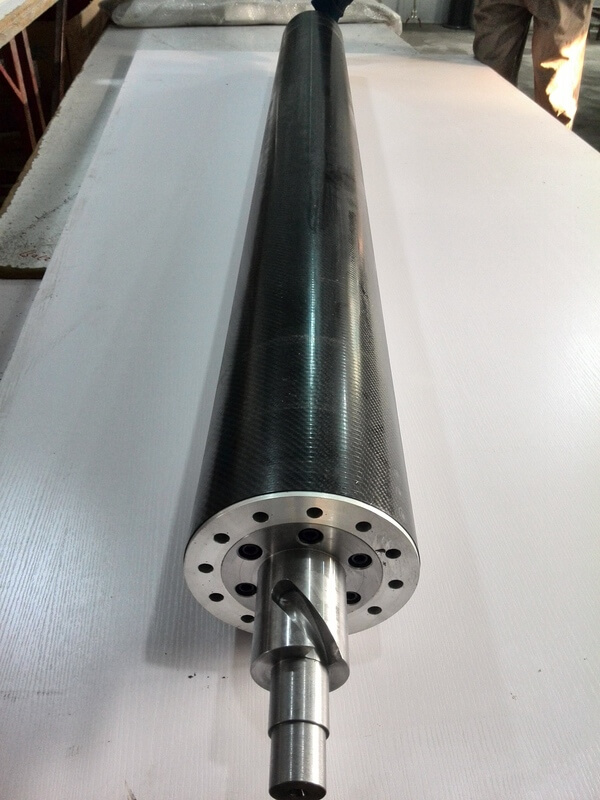
Understanding Carbon Fiber Guide Rollers
Carbon fiber guide rollers are essential components in textile machinery, used to guide and support the movement of yarns or fabrics during processing. These rollers are known for their high strength-to-weight ratio, corrosion resistance, and low thermal expansion, making them ideal for high-speed and precision applications. Unlike traditional metal rollers, carbon fiber rollers reduce energy consumption and minimize wear on the materials being processed, leading to improved product quality and operational efficiency.
The manufacturing process of carbon fiber guide rollers involves layering carbon fiber sheets impregnated with resin, which are then cured under high pressure and temperature to form a rigid, lightweight structure. This process ensures uniformity and consistency in the roller’s properties, providing reliable performance in demanding industrial environments.
Key Factors to Consider When Selecting a Carbon Fiber Guide Roller
Choosing the right carbon fiber guide roller involves evaluating several critical factors to ensure compatibility with your specific application and operational requirements. Here are the key considerations:
1. Roller Diameter and Length
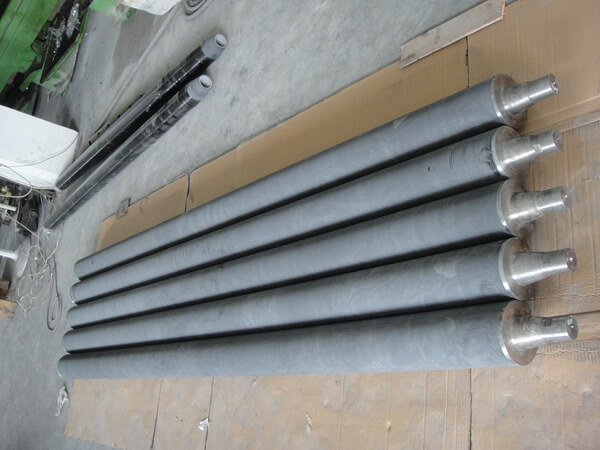
The diameter and length of the roller should match the dimensions of your machinery and the materials being processed. A larger diameter provides greater surface area for guiding the material, reducing friction and wear. However, it’s essential to balance the size with the available space and the desired level of precision. Custom solutions are available to meet unique dimensional requirements.
2. Surface Finish and Coating
The surface finish of the roller affects its interaction with the material being processed. A smooth, polished surface reduces friction and prevents damage to delicate yarns or fabrics. Additionally, some applications may require specialized coatings to enhance durability, reduce static buildup, or improve chemical resistance. Discuss your specific needs with the manufacturer to determine the most suitable surface treatment.
3. Load Capacity and Deflection
The roller must be able to withstand the loads imposed during operation without excessive deflection, which can lead to misalignment and reduced product quality. Consider the maximum expected load and ensure the roller’s design includes sufficient stiffness to maintain its shape under pressure. Manufacturers can provide detailed specifications and calculations to help you select a roller with the appropriate load capacity.
4. Material Compatibility
Ensure the carbon fiber guide roller is compatible with the materials being processed to avoid contamination or damage. Some applications may require rollers made from specific grades of carbon fiber or with additional protective layers to prevent interaction with chemicals or abrasive substances. Consult with the manufacturer to verify material compatibility and explore available options.
5. Bearing Type and Quality
The bearings used in the roller assembly play a crucial role in its performance and lifespan. High-quality bearings reduce friction, minimize noise, and ensure smooth rotation, even at high speeds. Consider the type of bearings (e.g., ball bearings, roller bearings) and their load ratings to match your application’s demands. Some manufacturers offer custom bearing solutions to enhance performance in specific conditions.
Top Manufacturers of Carbon Fiber Guide Rollers
Choosing a reputable manufacturer is essential to ensure you receive a high-quality, reliable carbon fiber guide roller. Here are some of the top manufacturers known for their expertise in carbon fiber composites and commitment to customer satisfaction:
- Nanjing Baigang Composite Materials Co., Ltd.: Based in Nanjing, China, Nanjing Baigang specializes in the research, development, and production of carbon fiber and glass fiber composite materials. With over 20 years of experience, the company offers a wide range of carbon fiber guide rollers tailored to various industrial applications, including textile machinery, wind power generation, and cooling tower fans. Their products are known for their durability, precision, and customization capabilities.
- Company B: A leading global supplier of carbon fiber components, Company B provides high-performance guide rollers designed for demanding industrial environments. Their advanced manufacturing processes and rigorous quality control ensure consistent, reliable products that meet international standards.
- Company C: With a focus on innovation and customization, Company C offers a diverse range of carbon fiber guide rollers engineered to meet specific customer requirements. Their team of experts works closely with clients to develop solutions that optimize performance and efficiency in various applications.
Custom Carbon Fiber Guide Roller Solutions
Many manufacturers, including Nanjing Baigang Composite Materials Co., Ltd., offer custom carbon fiber guide roller solutions to meet unique application requirements. Customization options include:
| Customization Option | Description |
|---|---|
| Dimensions | Custom length (up to 10 meters) and diameter (Φ40mm-Φ600mm) to match your machinery and application needs. |
| Surface Finish | Polished, coated, or textured surfaces to enhance performance and material compatibility. |
| Bearing Assembly | Custom bearing selection and assembly to ensure smooth rotation and minimize maintenance. |
| Material Grade | Choice of carbon fiber grades and resin systems to meet specific strength, stiffness, and environmental requirements. |
When requesting a custom solution, provide detailed specifications and application information to help the manufacturer design a roller that meets your exact needs. Collaboration with the manufacturer’s engineering team can ensure the final product optimizes performance, efficiency, and durability in your specific operating conditions.
FAQ
What factors should I consider when selecting a carbon fiber guide roller?
Key factors to consider include roller diameter and length, surface finish and coating, load capacity and deflection, material compatibility, and bearing type and quality. These factors ensure the roller meets your application’s demands and provides reliable, long-lasting performance.
How do I determine the appropriate roller diameter for my application?
The roller diameter should match the dimensions of your machinery and the materials being processed. A larger diameter provides greater surface area, reducing friction and wear, but must balance with available space and desired precision. Consult with the manufacturer to determine the optimal diameter for your specific needs.
What surface finishes are available for carbon fiber guide rollers?
Surface finishes range from smooth and polished to coated or textured, depending on the application requirements. A polished surface reduces friction and prevents damage to delicate materials, while specialized coatings can enhance durability, reduce static buildup, or improve chemical resistance.
Can carbon fiber guide rollers be customized to meet specific requirements?
Yes, many manufacturers offer custom solutions, including dimensions, surface finish, bearing assembly, and material grade. Providing detailed specifications and application information allows the manufacturer to design a roller that optimizes performance and efficiency in your specific operating conditions.
How do I ensure material compatibility with carbon fiber guide rollers?
Discuss your specific materials and processing conditions with the manufacturer to verify compatibility. Some applications may require rollers made from specific grades of carbon fiber or with additional protective layers to prevent interaction with chemicals or abrasive substances.
What are the advantages of using carbon fiber guide rollers in textile machinery?
Carbon fiber guide rollers offer high strength-to-weight ratio, corrosion resistance, and low thermal expansion, making them ideal for high-speed and precision applications. They reduce energy consumption, minimize wear on materials, and improve product quality and operational efficiency compared to traditional metal rollers.
How do I select the right bearing type for my carbon fiber guide roller?
Consider the type of bearings (e.g., ball bearings, roller bearings) and their load ratings to match your application’s demands. High-quality bearings reduce friction, minimize noise, and ensure smooth rotation, even at high speeds. Some manufacturers offer custom bearing solutions to enhance performance in specific conditions.
What quality control measures do manufacturers implement for carbon fiber guide rollers?
Reputable manufacturers implement rigorous quality control measures, including material testing, dimensional inspection, and performance testing, to ensure consistent, reliable products. Look for manufacturers with certifications such as ISO 9001, which indicate adherence to international quality management standards.
How can I verify the load capacity of a carbon fiber guide roller?
Manufacturers provide detailed specifications and calculations to help you determine the load capacity of a roller. Discuss your maximum expected load with the manufacturer to ensure the roller’s design includes sufficient stiffness to maintain its shape under pressure without excessive deflection.
Where can I find reliable suppliers of carbon fiber guide rollers?
Research reputable manufacturers with expertise in carbon fiber composites and a track record of customer satisfaction. Look for companies that offer custom solutions, rigorous quality control, and technical support to ensure you receive a high-quality, reliable product tailored to your specific needs.
Summary
Selecting the right carbon fiber guide roller involves evaluating key factors such as dimensions, surface finish, load capacity, material compatibility, and bearing quality to ensure optimal performance in your specific application. Reputable manufacturers like Nanjing Baigang Composite Materials Co., Ltd. offer a wide range of standard and custom solutions tailored to various industrial needs, including textile machinery, wind power generation, and cooling tower fans. By considering these factors and collaborating with experienced manufacturers, you can find a carbon fiber guide roller that enhances efficiency, durability, and product quality in your operations.