
When it comes to industrial applications requiring high-performance components, carbon fiber coupling shafts have emerged as a superior alternative to traditional metal shafts. These advanced composite materials offer exceptional strength-to-weight ratios, corrosion resistance, and vibration damping capabilities that make them ideal for demanding environments. However, selecting the right carbon fiber coupling shaft requires careful consideration of several critical factors to ensure optimal performance and longevity in your specific application.
Understanding Carbon Fiber Coupling Shaft Basics
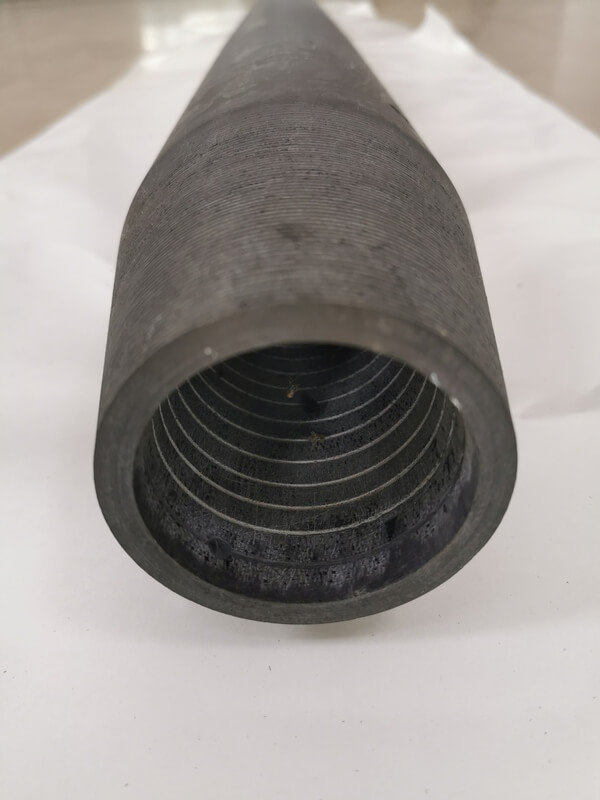
Carbon fiber coupling shafts are precision-engineered components designed to transmit torque between rotating shafts while accommodating misalignment. Unlike traditional metal shafts, carbon fiber composites combine carbon fibers with a polymer resin matrix, typically epoxy, to create a material with unique properties. The carbon fibers provide exceptional tensile strength and stiffness, while the resin matrix protects the fibers and helps distribute loads evenly across the component.
These shafts are manufactured through specialized processes like filament winding or pultrusion, which align the carbon fibers in specific directions to optimize strength where needed. The result is a component that can be up to 70% lighter than steel while offering comparable or superior strength characteristics, depending on the fiber orientation and resin system used.
Key Factors in Carbon Fiber Coupling Shaft Selection
Selecting the right carbon fiber coupling shaft involves evaluating several critical parameters that directly impact performance in your application:
1. Torque Requirements
The primary function of any coupling shaft is to transmit torque between components. Begin by calculating the maximum torque your system will generate during operation, including any peak loads during startup or shutdown. Carbon fiber shafts can typically handle high torque loads, but the specific rating will depend on the shaft’s diameter, length, and fiber orientation. Manufacturers like Nanjing Baigang Composite Materials can provide detailed torque capacity charts for their standard products or design custom solutions for unique requirements.
2. Operating Speed
High-speed applications introduce additional stresses through centrifugal forces and potential resonance issues. Carbon fiber’s excellent vibration damping characteristics make it particularly suitable for high-speed applications, but it’s essential to select a shaft with appropriate critical speed ratings. The natural frequency of the shaft should be well above your operating speed to prevent resonance and premature failure.
3. Misalignment Compensation
All mechanical systems experience some degree of misalignment between connected shafts. Carbon fiber coupling shafts can accommodate angular, parallel, and axial misalignment, but the allowable amounts vary by design. Consider both the static misalignment present during installation and any dynamic misalignment that may occur during operation due to thermal expansion or other factors.
4. Environmental Conditions
The operating environment significantly impacts material selection. Carbon fiber composites offer excellent resistance to corrosion, making them ideal for marine, chemical processing, or outdoor applications. However, extreme temperatures can affect performance. Most carbon fiber shafts perform well from -40°C to 120°C, but specialized resin systems can extend this range for extreme conditions. Additionally, consider exposure to UV radiation, chemicals, or abrasive particles that might require protective coatings or specific resin formulations.
5. Dimensional Constraints
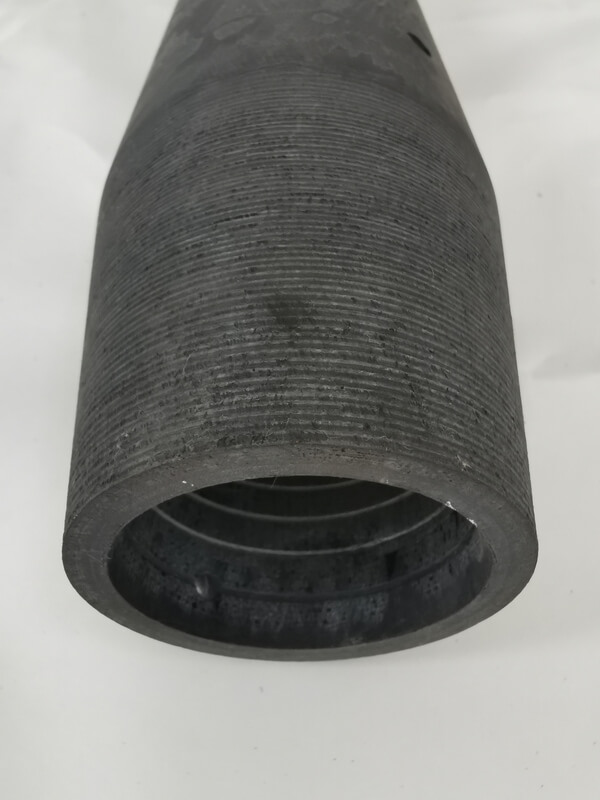
Space limitations often dictate shaft dimensions. Carbon fiber’s high strength-to-weight ratio allows for smaller diameter shafts compared to steel while maintaining equivalent torque capacity. This can be particularly advantageous in compact systems or where weight reduction is critical. However, ensure that the selected shaft fits within your available space while maintaining proper clearances for thermal expansion and misalignment.
Applications of Carbon Fiber Coupling Shafts
The versatility of carbon fiber coupling shafts makes them suitable for a wide range of industrial applications:
- Wind Power Generation: Carbon fiber connection shafts are widely used in wind turbines to transmit power from the rotor to the generator. Their lightweight construction reduces loads on tower structures while their vibration damping properties improve overall system reliability.
- Cooling Tower Fans: In large industrial cooling towers, carbon fiber drive shafts connect the motor to the fan assembly. Their corrosion resistance ensures long service life in humid environments, while their low weight reduces energy consumption.
- Textile Machinery: Carbon fiber guide rollers and drive shafts in textile equipment benefit from the material’s low inertia, which allows for faster acceleration and deceleration, improving production efficiency.
- Paper Manufacturing: The demanding environment of paper mills requires components that can withstand moisture, chemicals, and high loads. Carbon fiber shafts excel in these conditions while reducing energy costs through their lightweight design.
- Marine Applications: From propeller shafts to winch drives, carbon fiber’s corrosion resistance makes it ideal for marine environments where traditional metals would quickly degrade.
Customization Options for Specialized Needs
While standard carbon fiber coupling shafts suit many applications, some projects require custom solutions. Reputable manufacturers like Nanjing Baigang Composite Materials offer extensive customization capabilities:
| Customization Option | Description |
|---|---|
| Length | Custom lengths up to 10 meters to accommodate unique system configurations |
| Diameter | Diameters from Φ40mm to Φ600mm to match specific torque and speed requirements |
| Fiber Orientation | Tailored fiber layouts to optimize strength in specific directions |
| End Fittings | Custom flanges, keyways, or other connection methods to interface with your equipment |
| Protective Coatings | Specialized coatings for UV resistance, chemical protection, or enhanced wear resistance |
Quality Assurance and Testing
When selecting a carbon fiber coupling shaft manufacturer, quality assurance processes should be a top consideration. Reputable companies implement rigorous testing protocols to ensure every component meets or exceeds specifications. Nanjing Baigang Composite Materials, for example, subjects each shaft to comprehensive testing using advanced equipment like random signal and vibration analyzers before shipment.
This testing typically includes:
- Static torque testing to verify capacity
- Dynamic balancing to minimize vibration at operating speeds
- Non-destructive inspection to detect any internal defects
- Dimensional verification to ensure precise manufacturing
- Endurance testing for critical applications
FAQ
What makes carbon fiber coupling shafts better than steel for industrial applications?
Carbon fiber coupling shafts offer several advantages over steel, including significantly lower weight (up to 70% lighter), superior corrosion resistance, better vibration damping, and improved fatigue life. These properties lead to reduced energy consumption, lower maintenance costs, and longer service life in most industrial environments.
How do I determine the correct length for my carbon fiber coupling shaft?
The correct length depends on your specific system layout and the distance between connected components. Measure the center-to-center distance between shafts, accounting for any misalignment. It’s often advisable to add a small amount (typically 1-2%) to the measured length to accommodate thermal expansion and ensure proper installation without excessive preload.
Can carbon fiber coupling shafts handle high-temperature applications?
Standard carbon fiber shafts perform well from -40°C to 120°C. For higher temperature applications, specialized resin systems can extend this range up to 200°C or more, depending on the specific requirements. Always verify the temperature rating with your manufacturer for your specific application.
What maintenance is required for carbon fiber coupling shafts?
One of the key advantages of carbon fiber shafts is their low maintenance requirements. Regular visual inspections for damage or wear are recommended, along with periodic checks of alignment and torque transmission efficiency. Unlike metal shafts, carbon fiber components don’t require lubrication and are resistant to corrosion, reducing ongoing maintenance needs.
Summary
Selecting the right carbon fiber coupling shaft requires careful evaluation of your application’s specific requirements, including torque, speed, misalignment, environmental conditions, and space constraints. While standard products suit many applications, custom solutions offer flexibility for unique needs. By partnering with an experienced manufacturer like Nanjing Baigang Composite Materials, you gain access to engineering expertise, advanced manufacturing capabilities, and rigorous quality testing that ensures your coupling shaft performs reliably for years to come. The benefits of carbon fiber technology—reduced weight, corrosion resistance, vibration damping, and long service life—make these components an excellent investment for improving the efficiency and reliability of your industrial systems.