
In the realm of industrial machinery and power transmission systems, carbon fiber drive shafts have emerged as a revolutionary solution offering superior performance compared to traditional metal alternatives. Nanjing Baigang Composite Materials Co., Ltd., established in 2003 and located in Nanjing’s Liuhe District, stands at the forefront of this innovation as a specialized manufacturer of carbon fiber composite products. With nearly two decades of expertise in carbon fiber technology and a comprehensive range of manufacturing capabilities, we’ve successfully delivered over 4,000 carbon fiber drive shafts across various industries while maintaining ISO 9001:2000 quality certification since 2006.
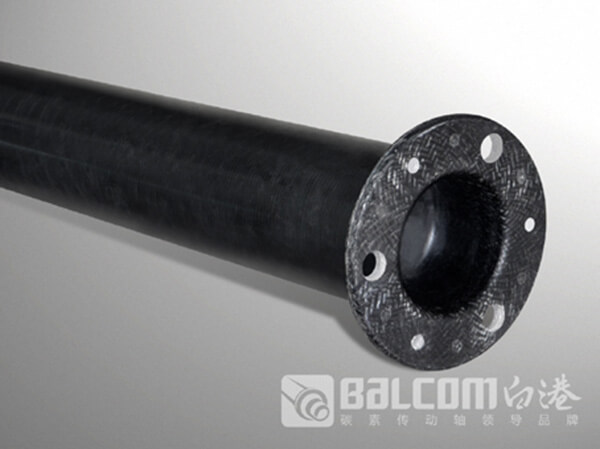
Why Choose Carbon Fiber Drive Shafts Over Traditional Alternatives?
The superiority of carbon fiber drive shafts becomes evident when examining their physical properties and performance characteristics. Carbon fiber composites offer an exceptional strength-to-weight ratio—typically 5-7 times stronger than steel while being 60-70% lighter. This combination provides multiple advantages in industrial applications:
First, the reduced weight significantly decreases rotational inertia, enabling faster acceleration and deceleration while consuming less energy. This efficiency improvement translates to measurable energy savings in continuous operation applications like wind turbines and cooling tower fans. Second, carbon fiber’s inherent vibration damping properties reduce noise levels and extend component lifespan by minimizing stress on connected machinery. Third, the material’s corrosion resistance makes it ideal for harsh environments where traditional metal shafts would require frequent maintenance or replacement.
Our manufacturing process leverages advanced design calculation methods combined with random signal and vibration analysis techniques to ensure each drive shaft meets precise performance requirements. The production facility houses state-of-the-art equipment including computer-controlled winding machines, autoclaves for curing, and precision machining centers that enable us to create drive shafts with diameters ranging from Φ40mm to Φ600mm and lengths up to 10 meters—all while maintaining tight tolerances and consistent quality.
Core Applications of Our Carbon Fiber Drive Shafts
The versatility of carbon fiber drive shafts allows them to serve multiple industrial sectors with specialized solutions tailored to each application’s unique demands:
Wind Power Generation
In wind turbines, our carbon fiber connection shafts play a critical role in transferring rotational energy from the rotor hub to the gearbox or generator. The lightweight construction reduces tower head mass, enabling the use of smaller, more cost-effective towers and foundations while improving overall system efficiency. The material’s fatigue resistance ensures reliable performance through millions of rotation cycles over the turbine’s 20+ year lifespan.
Cooling Tower Systems
For industrial cooling towers, our carbon fiber drive shafts power the large axial fans responsible for air circulation. The reduced weight decreases motor load requirements, leading to energy savings of 15-25% compared to steel shafts. The corrosion resistance eliminates the need for protective coatings or galvanization, while the vibration damping characteristics reduce noise pollution in surrounding areas—a critical consideration for facilities located near residential zones.
Textile Machinery
In high-speed textile equipment, our carbon fiber guide rollers and drive shafts maintain precise dimensional stability even under continuous operation at speeds exceeding 2,000 RPM. The low thermal expansion coefficient prevents fabric stretching or misalignment caused by temperature fluctuations, ensuring consistent product quality. The smooth surface finish minimizes friction, reducing energy consumption and extending bearing life.
Customization Capabilities: Tailored Solutions for Every Requirement
Understanding that no two industrial applications are identical, we’ve developed a comprehensive customization process that begins with detailed consultation to analyze your specific operational parameters. Our engineering team considers factors such as rotational speed, torque requirements, environmental conditions, and space constraints when designing each drive shaft.
The customization options extend beyond basic dimensions to include specialized features like:
- Integrated flange connections for simplified installation
- Balancing options to minimize vibration at high speeds
- Protective coatings for abrasive or chemical environments
- Color coding for easy identification in complex systems
- Custom keyway configurations for secure power transmission
Each custom drive shaft undergoes rigorous testing using our in-house vibration analysis equipment and load testing rigs to verify performance characteristics before shipment. This quality assurance process has contributed to our 99.8% on-time delivery rate and 98.5% customer satisfaction score over the past five years.
| Parameter | Specification Range | Customization Options |
|---|---|---|
| Diameter | Φ40mm – Φ600mm | Any diameter within range |
| Length | Up to 10 meters | Custom lengths per request |
| Wall Thickness | 2mm – 20mm | Variable thickness options |
| Operating Temperature | -50°C to +150°C | High-temp variants available |
| Torsional Stiffness | Customizable per application | Fiber orientation adjustment |
FAQ
What makes carbon fiber drive shafts more expensive than steel alternatives?
The higher initial cost of carbon fiber drive shafts reflects the complex manufacturing process and premium raw materials. However, when considering total cost of ownership, carbon fiber often proves more economical due to reduced energy consumption, lower maintenance requirements, and extended service life—typically lasting 3-5 times longer than steel equivalents in comparable applications.
Can you modify existing designs to fit our specific machinery?
Absolutely. Our engineering team specializes in reverse engineering and redesigning components to integrate with existing systems. We’ll analyze your current setup, identify compatibility requirements, and develop a carbon fiber solution that maintains or improves performance while offering the benefits of composite materials.
How do you ensure quality consistency across large production runs?
Quality control begins with raw material inspection using spectroscopy analysis to verify carbon fiber grade and resin properties. During production, we employ real-time monitoring of winding tension and resin infusion parameters. Each finished drive shaft undergoes ultrasonic testing to detect internal flaws and dynamic balancing to ensure smooth operation. This comprehensive approach maintains our ISO 9001 certification standards across all production volumes.
What environmental factors should we consider when specifying carbon fiber drive shafts?
While carbon fiber offers excellent corrosion resistance, certain chemical environments may require additional protective coatings. For outdoor applications, UV stabilization is incorporated into the resin system. In extremely cold environments, we can adjust the resin formulation to maintain flexibility. Our team will analyze your specific environmental conditions during the design phase to recommend appropriate material modifications.
Summary
Nanjing Baigang Composite Materials Co., Ltd. has established itself as a premier manufacturer of carbon fiber drive shafts through technical expertise, manufacturing precision, and customer-focused service. Our ability to deliver customized solutions across diverse industries—from renewable energy to advanced manufacturing—demonstrates the versatility and reliability of carbon fiber composites in demanding applications. With over 4,000 successful installations worldwide and ISO 9001 certification ensuring consistent quality, we’re prepared to partner with your engineering team to develop drive shaft solutions that enhance performance, reduce operating costs, and extend equipment lifespan. Contact us today to discuss how our carbon fiber technology can transform your power transmission systems.