
When it comes to selecting the right carbon fiber coupling manufacturer, there are several critical factors to consider. Carbon fiber couplings are essential components in various industrial applications, including wind power, textile machinery, and cooling tower fans. These couplings offer superior performance, durability, and efficiency compared to traditional metal couplings. However, choosing the right manufacturer can be a daunting task, given the numerous options available in the market. In this comprehensive guide, we will explore the key factors to consider when selecting a carbon fiber coupling manufacturer, the applications of carbon fiber couplings, and the customization options available.
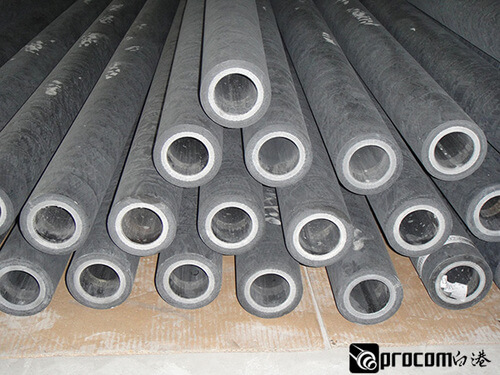
Understanding Carbon Fiber Couplings
Carbon fiber couplings are mechanical components used to transmit torque between two shafts that are not collinear. They are designed to accommodate misalignment, reduce vibration, and provide a smooth power transmission. Carbon fiber couplings offer several advantages over traditional metal couplings, including:
- Lightweight: Carbon fiber couplings are significantly lighter than metal couplings, reducing the overall weight of the machinery and improving energy efficiency.
- High Strength: Despite their lightweight nature, carbon fiber couplings exhibit high tensile strength, making them suitable for high-load applications.
- Corrosion Resistance: Carbon fiber is inherently resistant to corrosion, making it ideal for use in harsh environments.
- Vibration Damping: Carbon fiber couplings have excellent vibration-damping properties, reducing noise and extending the lifespan of connected components.
Key Factors to Consider When Selecting a Carbon Fiber Coupling Manufacturer
Selecting the right carbon fiber coupling manufacturer is crucial to ensure the quality, performance, and reliability of your couplings. Here are some key factors to consider:
1. Manufacturing Expertise and Experience
Look for a manufacturer with extensive experience in producing carbon fiber couplings. A manufacturer with a proven track record in the industry is more likely to have the necessary expertise and knowledge to produce high-quality couplings that meet your specific requirements. Nanjing Baigang Composite Materials Co., Ltd., for example, has been specializing in carbon fiber products since 2003 and has accumulated rich experience in mechanical power transmission.
2. Quality Certification
Ensure that the manufacturer adheres to international quality standards. Look for certifications such as ISO 9001:2000, which indicate that the manufacturer follows strict quality control processes in their production. Nanjing Baigang Composite Materials Co., Ltd. passed the ISO 9001:2000 quality system certification in November 2006 and strictly follows the system requirements for production and quality monitoring.
3. Customization Capabilities
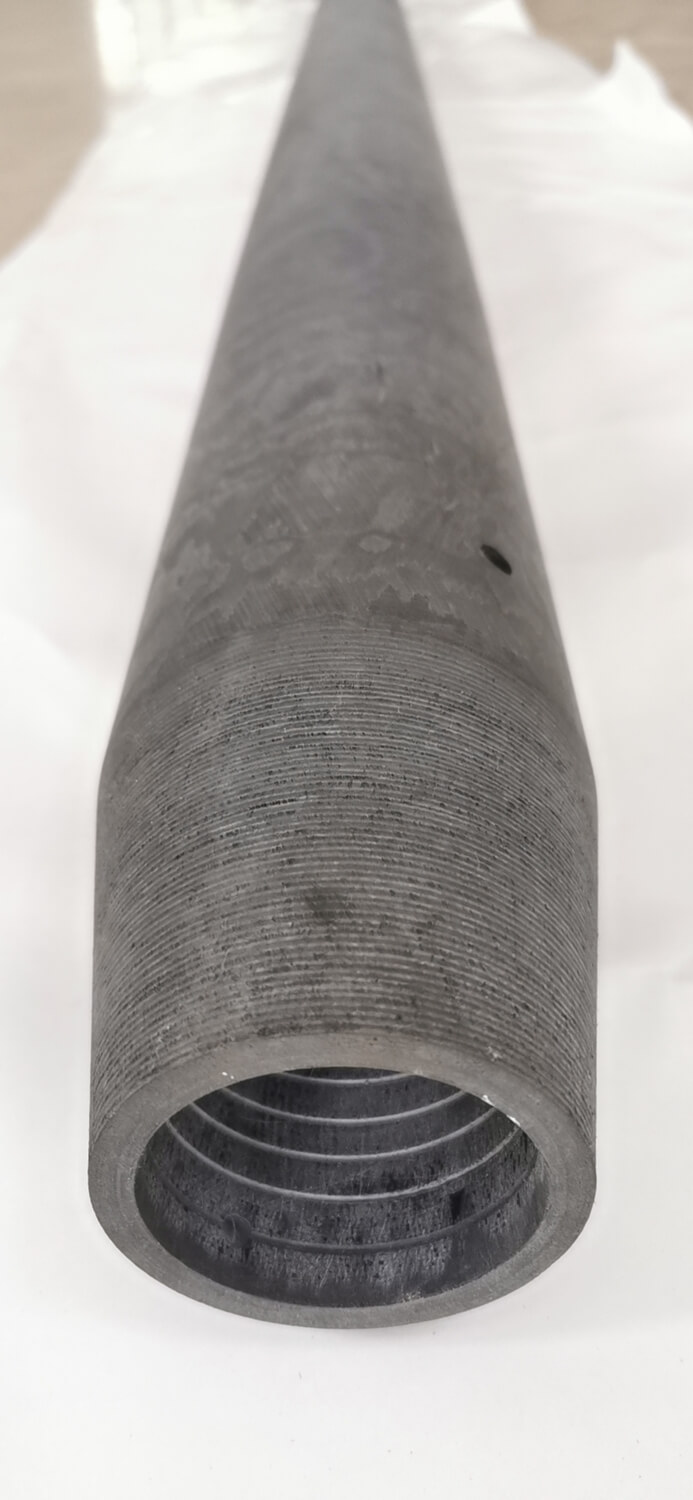
Consider a manufacturer that offers customization options to meet your specific needs. Carbon fiber couplings can be customized in terms of length, diameter, and other specifications to suit different applications. Nanjing Baigang Composite Materials Co., Ltd. can customize carbon fiber tubes with lengths up to 10 meters and diameters ranging from Φ40mm to Φ600mm according to customer requirements.
4. Application Expertise
Choose a manufacturer that has expertise in your specific industry or application. Different industries have unique requirements for carbon fiber couplings, and a manufacturer with application-specific knowledge can provide more tailored solutions. Nanjing Baigang Composite Materials Co., Ltd. has extensive experience in applying carbon fiber couplings in wind power, textile machinery, cooling tower fans, and other industrial fields.
5. Testing and Quality Assurance
Ensure that the manufacturer conducts thorough testing on their products before delivery. This includes using advanced testing equipment such as random signal and vibration analyzers to verify the performance and reliability of the couplings. Nanjing Baigang Composite Materials Co., Ltd. tests each product with relevant instruments before delivery to ensure they meet customer requirements.
Applications of Carbon Fiber Couplings
Carbon fiber couplings are used in a wide range of industrial applications due to their superior performance and durability. Here are some common applications:
1. Wind Power
In wind power applications, carbon fiber couplings are used to connect the generator to the gearbox or main shaft. They help transmit torque efficiently while accommodating misalignment and reducing vibration, which is crucial for the smooth operation of wind turbines.
2. Textile Machinery
Carbon fiber guide rollers are widely used in textile machinery to guide and tension the fabric during the weaving or knitting process. These rollers offer high strength, corrosion resistance, and smooth surface finish, ensuring high-quality fabric production.
3. Cooling Tower Fans
In cooling tower applications, carbon fiber couplings are used to connect the fan motor to the fan blades. They help transmit power efficiently while reducing vibration and noise, improving the overall performance and lifespan of the cooling tower.
| Application | Carbon Fiber Coupling Type | Benefits |
|---|---|---|
| Wind Power | Carbon Fiber Connection Shaft | Efficient torque transmission, misalignment accommodation, vibration reduction |
| Textile Machinery | Carbon Fiber Guide Roller | High strength, corrosion resistance, smooth surface finish |
| Cooling Tower Fans | Carbon Fiber Drive Shaft | Efficient power transmission, vibration and noise reduction |
Customization Options for Carbon Fiber Couplings
One of the key advantages of working with a reputable carbon fiber coupling manufacturer is the ability to customize the couplings according to your specific needs. Here are some customization options available:
- Length: Carbon fiber couplings can be customized in terms of length to suit different applications. Nanjing Baigang Composite Materials Co., Ltd. can produce couplings with lengths up to 10 meters.
- Diameter: The diameter of carbon fiber couplings can also be customized according to customer requirements. Nanjing Baigang Composite Materials Co., Ltd. offers diameters ranging from Φ40mm to Φ600mm.
- Material: Depending on the application, different types of carbon fiber materials can be used to produce the couplings. This includes high-strength carbon fiber, corrosion-resistant carbon fiber, and more.
- Design: The design of carbon fiber couplings can be customized to accommodate specific misalignment requirements, torque transmission needs, and other application-specific factors.
FAQ
What factors should I consider when selecting a carbon fiber coupling manufacturer?
When selecting a carbon fiber coupling manufacturer, consider factors such as manufacturing expertise and experience, quality certification, customization capabilities, application expertise, and testing and quality assurance processes.
How can I ensure the quality of carbon fiber couplings?
To ensure the quality of carbon fiber couplings, choose a manufacturer that adheres to international quality standards such as ISO 9001:2000. Additionally, ensure that the manufacturer conducts thorough testing on their products before delivery using advanced testing equipment.
Can carbon fiber couplings be customized according to my specific needs?
Yes, carbon fiber couplings can be customized in terms of length, diameter, material, and design to suit different applications. Working with a manufacturer that offers customization options is crucial to getting the right couplings for your needs.
What are the advantages of using carbon fiber couplings over traditional metal couplings?
Carbon fiber couplings offer several advantages over traditional metal couplings, including being lightweight, having high strength, being corrosion-resistant, and having excellent vibration-damping properties. These advantages make carbon fiber couplings ideal for various industrial applications.
How do I know if a carbon fiber coupling is suitable for my application?
To determine if a carbon fiber coupling is suitable for your application, consider factors such as the torque requirements, misalignment accommodation needs, operating environment, and vibration and noise reduction requirements. Consulting with a manufacturer that has application-specific expertise can also help you make an informed decision.
Summary
Selecting the right carbon fiber coupling manufacturer is crucial to ensure the quality, performance, and reliability of your couplings. Consider factors such as manufacturing expertise, quality certification, customization capabilities, application expertise, and testing and quality assurance processes when making your decision. Carbon fiber couplings offer several advantages over traditional metal couplings and are used in a wide range of industrial applications, including wind power, textile machinery, and cooling tower fans. Working with a reputable manufacturer that offers customization options can help you get the right couplings for your specific needs.