
When it comes to selecting carbon fiber tubes for industrial applications, the choices can be overwhelming. With numerous manufacturers claiming to offer the best products, how do you determine which carbon fiber tube truly meets your requirements? This comprehensive guide will walk you through the key factors to consider when selecting carbon fiber tubes, introduce you to top manufacturers, and explain the customization options available for your specific needs.
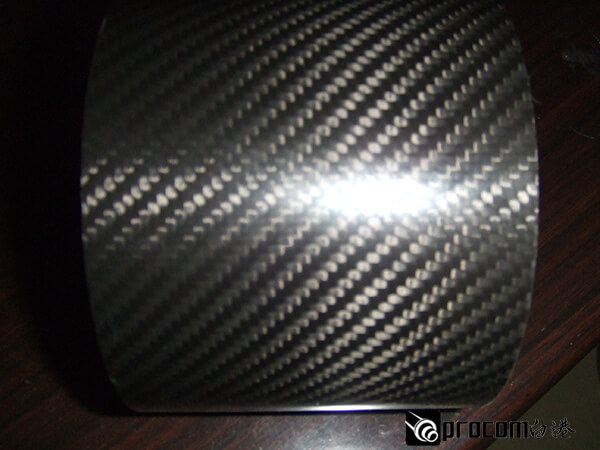
Understanding Carbon Fiber Tube Applications
Carbon fiber tubes have revolutionized various industries with their exceptional strength-to-weight ratio and corrosion resistance. The most common applications include:
1. Wind Power Generation
Carbon fiber connection shafts are crucial components in wind turbines, transmitting torque from the rotor to the generator. Their lightweight nature reduces the overall load on the turbine structure while maintaining high tensile strength to withstand strong winds.
2. Cooling Tower Systems
In cooling tower applications, carbon fiber drive shafts replace traditional metal shafts to reduce energy consumption and maintenance costs. The vibration-damping properties of carbon fiber help extend the lifespan of cooling tower components.
3. Textile Machinery
Carbon fiber guide rollers are widely used in textile machines for their precise dimensional stability and resistance to chemical corrosion. This ensures consistent fabric quality and reduces production downtime.
4. Paper Manufacturing
The paper industry utilizes carbon fiber tubes in various rollers and shafts where high stiffness and corrosion resistance are essential for maintaining paper quality during production processes.
These diverse applications demonstrate the versatility of carbon fiber tubes across different industrial sectors. Understanding your specific application requirements is the first step in selecting the right carbon fiber tube.
Key Factors in Carbon Fiber Tube Selection
Choosing the appropriate carbon fiber tube involves evaluating several critical parameters that affect performance and longevity in your specific application:
| Parameter | Importance | Typical Values |
|---|---|---|
| Diameter | Determines compatibility with existing systems | Φ40mm-Φ600mm (customizable) |
| Length | Affects installation and transportation | Up to 10 meters (customizable) |
| Wall Thickness | Influences strength and weight | 1-10mm (application-specific) |
| Fiber Orientation | Determines mechanical properties | Unidirectional, bidirectional, woven |
| Resin Type | Affects chemical resistance and temperature tolerance | Epoxy, vinyl ester, etc. |
| Surface Finish | Impacts friction and wear characteristics | Plain, polished, coated |
When evaluating these parameters, consider the operating environment of your application. For example, tubes used in marine applications require higher corrosion resistance, while those in high-temperature environments need special resin formulations. The load-bearing requirements will determine the necessary wall thickness and fiber orientation.
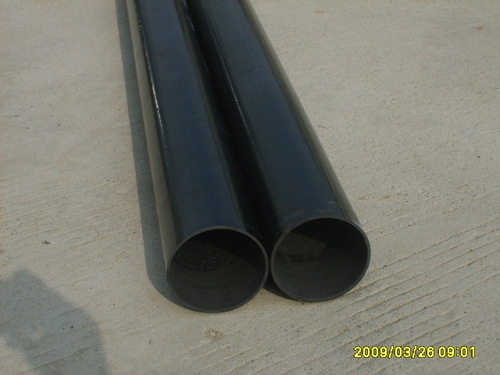
Top Carbon Fiber Tube Manufacturers
Selecting a reputable manufacturer is crucial for ensuring product quality and reliability. Here are some key factors to consider when evaluating carbon fiber tube suppliers:
1. Manufacturing Capabilities
Look for manufacturers with advanced production equipment and precise control systems. Nanjing Baigang Composite Materials Co., Ltd., for example, utilizes computer-controlled winding machines and automated curing ovens to ensure consistent product quality. Their ability to produce tubes up to 10 meters long with diameters ranging from Φ40mm to Φ600mm demonstrates their manufacturing versatility.
2. Quality Assurance
Reputable manufacturers implement rigorous quality control processes at every stage of production. This includes raw material inspection, in-process monitoring, and final product testing. Nanjing Baigang follows ISO9001:2000 quality management system standards and uses random signal and vibration analysis instruments to verify product performance.
3. Customization Options
The ability to customize tubes to your specific requirements is essential for many industrial applications. A good manufacturer should offer flexible options for diameter, length, wall thickness, fiber orientation, and surface finish. Nanjing Baigang provides comprehensive customization services, working closely with clients to develop optimal solutions for their unique needs.
4. Industry Experience
Manufacturers with extensive experience in your specific industry can offer valuable insights and recommendations. Nanjing Baigang has accumulated rich design and application experience in mechanical power transmission since its establishment in 2003, with over 4,000 shafts successfully applied in various fields.
5. Technical Support
Ongoing technical support is crucial for troubleshooting and optimizing product performance. Choose manufacturers that provide comprehensive services including installation guidance, maintenance training, and after-sales support. Nanjing Baigang’s team of professional technicians offers technical consultation and guidance throughout the product lifecycle.
Custom Carbon Fiber Tube Solutions
For applications with unique requirements, custom carbon fiber tubes offer the best solution. Here’s what you need to know about the customization process:
1. Design Consultation
The customization process begins with a detailed consultation to understand your specific application requirements. This includes operating conditions, load requirements, environmental factors, and any space constraints. Nanjing Baigang’s engineering team uses advanced design calculation methods to develop optimal tube specifications.
2. Material Selection
Based on the application requirements, the appropriate carbon fiber type and resin system are selected. Different fiber orientations (unidirectional, bidirectional, woven) offer varying mechanical properties, while different resins provide different levels of chemical resistance and temperature tolerance.
3. Prototyping
For complex or high-stakes applications, creating prototypes allows for testing and validation before full-scale production. This step helps identify any potential issues and ensures the final product meets all performance requirements.
4. Production Process
The production of custom carbon fiber tubes typically involves filament winding or pultrusion processes. Filament winding offers greater design flexibility for complex shapes, while pultrusion is more efficient for producing straight tubes with consistent cross-sections. Nanjing Baigang employs both methods depending on the specific requirements.
5. Quality Testing
Every custom tube undergoes rigorous testing to verify its performance characteristics. This includes tensile strength testing, fatigue testing, and dimensional inspection. Nanjing Baigang uses advanced testing equipment to ensure all products meet or exceed industry standards.
FAQ
What factors determine the price of carbon fiber tubes?
The price of carbon fiber tubes depends on several factors including raw material costs, manufacturing complexity, customization requirements, and order quantity. Tubes made with higher-grade carbon fiber or requiring special resin formulations will be more expensive. Custom sizes and shapes also increase production costs compared to standard products.
How do I ensure compatibility with my existing system?
To ensure compatibility, provide detailed specifications of your current system to the manufacturer. This includes dimensions, connection methods, and operating parameters. A reputable manufacturer like Nanjing Baigang will work with you to develop solutions that seamlessly integrate with your existing equipment.
What is the typical lead time for custom carbon fiber tubes?
Lead times vary depending on the complexity of the customization and current production schedules. For standard sizes, delivery may take 2-4 weeks. Custom orders typically require 4-8 weeks from design approval to final delivery. Nanjing Baigang provides estimated lead times during the quotation process.
How are carbon fiber tubes tested for quality assurance?
Quality testing includes several stages: raw material inspection, in-process monitoring, and final product testing. Common tests include tensile strength testing, fatigue testing, dimensional inspection, and surface finish evaluation. Nanjing Baigang uses random signal and vibration analysis instruments to verify product performance.
Can carbon fiber tubes be repaired if damaged?
Minor surface damage can sometimes be repaired, but significant structural damage typically requires replacement. The repairability depends on the type and extent of damage. Nanjing Baigang provides maintenance guidelines to help extend product lifespan and minimize damage risks.
Summary
Selecting the right carbon fiber tube requires careful consideration of your specific application requirements, operating environment, and performance expectations. By understanding the key factors in tube selection, evaluating manufacturers based on their capabilities and quality assurance processes, and leveraging customization options when needed, you can find the optimal solution for your industrial needs.
Nanjing Baigang Composite Materials Co., Ltd. stands out as a reliable partner for carbon fiber tube solutions, offering advanced manufacturing technology, comprehensive quality control, and extensive customization capabilities. With over two decades of experience in the field and successful applications across multiple industries, they have the expertise to deliver high-performance carbon fiber tubes tailored to your specific requirements.