
When it comes to industrial machinery and power transmission systems, the choice of drive shafts plays a critical role in ensuring efficiency, durability, and overall performance. Among the various materials available, carbon fiber has emerged as a superior option, particularly for long-distance power transmission applications. This comprehensive guide explores the world of long carbon fiber drive shafts, helping you understand their benefits, applications, and how to select the right supplier for your specific needs.
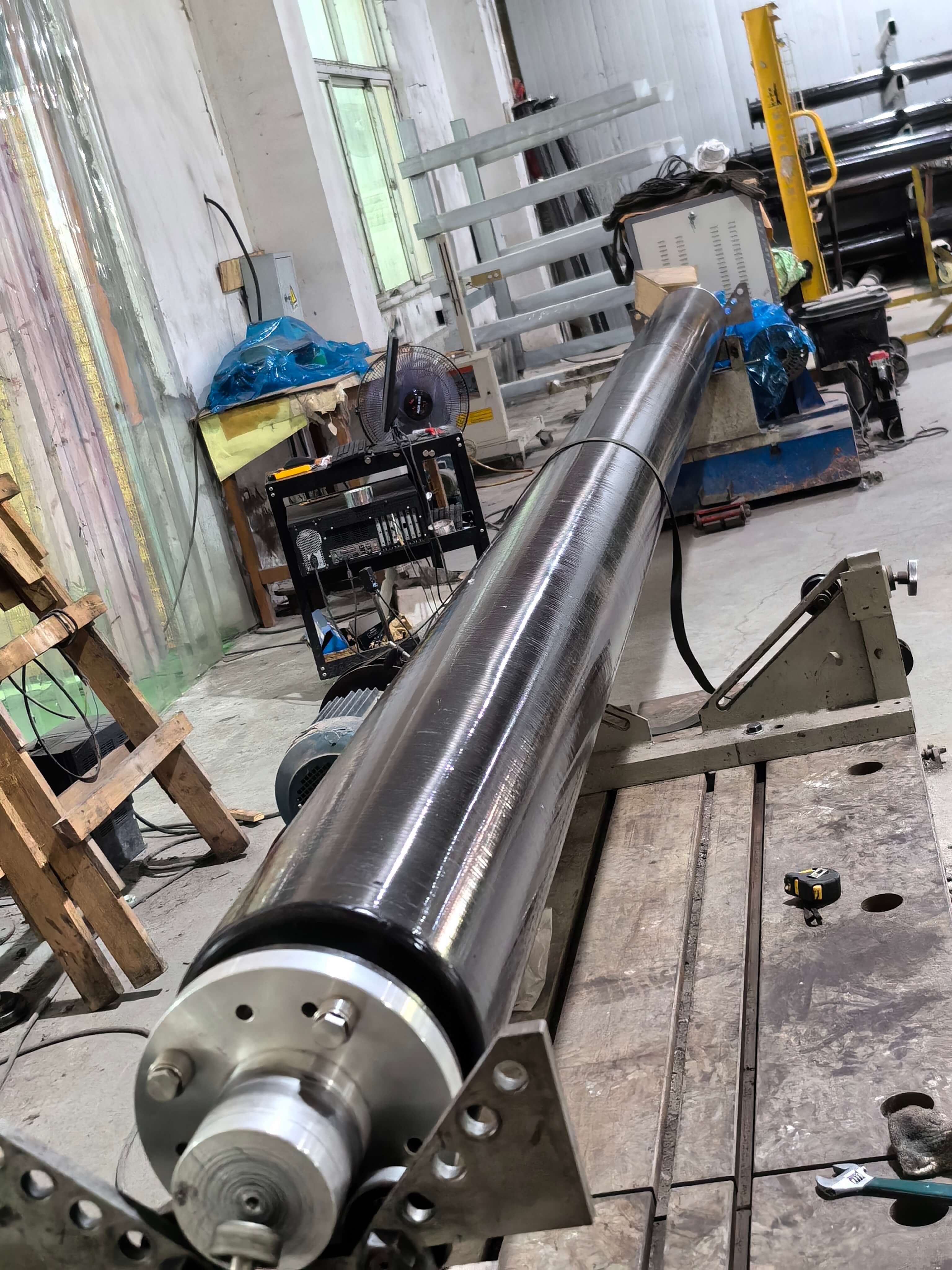
Understanding Long Carbon Fiber Drive Shafts
Long carbon fiber drive shafts represent a significant advancement in power transmission technology. Unlike traditional metal shafts, carbon fiber composites offer a unique combination of strength, light weight, and flexibility that makes them ideal for demanding industrial applications. These shafts are engineered to transmit torque efficiently over long distances while minimizing energy loss and reducing wear on connected components.
The construction of long carbon fiber drive shafts typically involves layering carbon fiber sheets in specific orientations, then impregnating them with resin and curing under pressure. This process creates a composite material that is exceptionally strong in tension and compression while remaining relatively lightweight. The result is a drive shaft that can handle high torque loads without the risk of bending or breaking, even over extended lengths.
Advantages Over Traditional Metal Shafts
The superiority of long carbon fiber drive shafts becomes evident when comparing them to conventional steel or aluminum alternatives:
- Weight Reduction: Carbon fiber shafts can be up to 70% lighter than steel equivalents, reducing the overall weight of machinery and improving energy efficiency.
- Increased Strength: Despite their lighter weight, carbon fiber composites offer superior tensile strength and fatigue resistance compared to most metals.
- Corrosion Resistance: Unlike metal shafts, carbon fiber doesn’t rust or corrode, making it ideal for harsh environments or outdoor applications.
- Vibration Damping: Carbon fiber naturally absorbs vibrations, leading to smoother operation and reduced wear on connected components.
- Design Flexibility: Carbon fiber can be molded into complex shapes, allowing for customized solutions that fit specific machinery configurations.
Key Applications of Long Carbon Fiber Drive Shafts
The unique properties of long carbon fiber drive shafts make them suitable for a wide range of industrial applications:
1. Wind Power Generation
In wind turbines, long carbon fiber drive shafts are used to transmit power from the rotor hub to the gearbox or generator. Their lightweight nature reduces the load on the tower structure while their strength ensures reliable power transmission even in high-wind conditions. The vibration-damping properties also help extend the lifespan of turbine components.
2. Cooling Tower Fans
Large industrial cooling towers require robust drive systems to power their massive fans. Long carbon fiber drive shafts provide the necessary strength while minimizing the energy required to rotate the fans. Their corrosion resistance is particularly valuable in the humid environments typical of cooling tower installations.
3. Textile Machinery
In high-speed textile machines, precision and minimal vibration are crucial. Carbon fiber drive shafts offer the perfect solution, ensuring smooth power transmission to spinning frames, looms, and other components. Their lightweight nature also reduces the inertia of moving parts, allowing for faster acceleration and deceleration.
4. Marine Propulsion
For marine applications, the combination of strength and corrosion resistance makes carbon fiber drive shafts an excellent choice for propeller shafts in boats and ships. The weight savings contribute to improved fuel efficiency and increased payload capacity.
5. Construction Equipment
Some modern construction machinery utilizes long carbon fiber drive shafts in their power transmission systems to reduce overall weight while maintaining the necessary strength for heavy-duty operations. This can lead to improved maneuverability and reduced fuel consumption.
Selecting the Right Long Carbon Fiber Drive Shaft Supplier
Choosing a reliable supplier for your long carbon fiber drive shafts is crucial for ensuring product quality and long-term performance. Here are key factors to consider:
1. Manufacturing Expertise
Look for a supplier with extensive experience in carbon fiber composite manufacturing. The production of high-quality carbon fiber drive shafts requires specialized knowledge of material science, layering techniques, and curing processes. A supplier with a proven track record in the industry is more likely to deliver consistent, reliable products.
2. Customization Capabilities
Your specific application may require drive shafts with unique dimensions or properties. A supplier that offers customization services can tailor the shafts to your exact requirements, ensuring optimal performance in your machinery. This includes the ability to produce shafts of various lengths (up to 10 meters) and diameters (Φ40mm-Φ600mm).
3. Quality Certifications
Ensure the supplier adheres to international quality standards such as ISO 9001:2000. This certification indicates that the company has implemented rigorous quality control processes throughout its manufacturing operations. Some suppliers may also have additional certifications specific to the aerospace or automotive industries, which can be an indicator of high manufacturing standards.
4. Testing Facilities
A reputable supplier should have in-house testing capabilities to verify the performance of their drive shafts. This includes torque testing, fatigue testing, and vibration analysis. Comprehensive testing ensures that each shaft meets the required specifications before it leaves the factory.
5. Industry Experience
Consider suppliers that have established themselves in industries similar to yours. For example, if you need drive shafts for wind turbines, a supplier with experience in renewable energy applications will better understand the specific requirements and challenges of that sector.
6. Technical Support
Choose a supplier that offers comprehensive technical support, including assistance with selection, installation, and maintenance. This can be invaluable, especially for complex applications or when integrating the drive shafts into existing machinery.
Customization Options for Long Carbon Fiber Drive Shafts
One of the major advantages of working with a specialized supplier is the ability to customize your drive shafts to specific requirements. Here are some common customization options:
| Customization Option | Description |
|---|---|
| Length | Up to 10 meters to accommodate various machinery configurations |
| Diameter | Range from Φ40mm to Φ600mm to match torque requirements |
| Layer Configuration | Custom fiber orientation for optimal strength in specific directions |
| End Fittings | Various connection types to match your machinery interfaces |
| Surface Finish | Options for smooth or textured surfaces based on application needs |
Quality Assurance and Testing
Reputable suppliers implement rigorous quality control processes to ensure their long carbon fiber drive shafts meet the highest standards. These processes typically include:
- Material Inspection: Verifying the quality of incoming carbon fiber and resin materials
- Dimensional Checks: Ensuring each shaft meets the specified length, diameter, and tolerance requirements
- Torque Testing: Applying controlled torque to verify the shaft’s strength and flexibility
- Fatigue Testing: Simulating long-term operation to assess the shaft’s durability under cyclic loading
- Vibration Analysis: Measuring vibration characteristics to ensure smooth operation
- Non-Destructive Testing: Using methods like ultrasonic testing to detect any internal defects
Installation and Maintenance Considerations
Proper installation and maintenance are crucial for maximizing the lifespan and performance of your long carbon fiber drive shafts:
Installation Tips
- Ensure proper alignment with connected components to avoid excessive bending stresses
- Use the recommended mounting hardware and torque specifications
- Protect the shafts from impact during installation to prevent surface damage
- Follow the manufacturer’s guidelines for any required pre-loading or tensioning
Maintenance Guidelines
- Regularly inspect for signs of wear, cracks, or delamination
- Check for proper alignment during routine machinery maintenance
- Keep the shafts clean and free from contaminants that could cause abrasion
- Replace any shafts showing signs of fatigue or damage immediately
FAQ
What is the maximum length available for custom carbon fiber drive shafts?
Most specialized suppliers can manufacture long carbon fiber drive shafts up to 10 meters in length, allowing for customization to fit various industrial machinery configurations. This length capability is particularly valuable for applications requiring extended power transmission distances.
How do carbon fiber drive shafts compare in cost to traditional steel shafts?
While carbon fiber drive shafts typically have a higher initial cost than steel alternatives, they offer significant long-term savings through reduced energy consumption, lower maintenance requirements, and extended service life. The total cost of ownership is often lower for carbon fiber shafts, especially in demanding industrial applications.
Can carbon fiber drive shafts be repaired if damaged?
In most cases, damaged carbon fiber drive shafts cannot be effectively repaired and should be replaced. However, reputable suppliers conduct thorough testing to ensure product quality, minimizing the risk of premature failure. Regular inspection can help identify potential issues before they lead to complete failure.
What certifications should I look for when selecting a supplier?
Look for suppliers with ISO 9001:2000 certification, which indicates adherence to international quality management standards. For specific industries like renewable energy or aerospace, additional certifications may be beneficial. The supplier should also have comprehensive testing facilities to verify product performance.
How do I determine the correct diameter for my application?
The required diameter depends on the torque that needs to be transmitted and the length of the shaft. A reputable supplier can assist with these calculations based on your specific machinery requirements. They can recommend the optimal diameter within their standard range of Φ40mm to Φ600mm.
Summary
Long carbon fiber drive shafts represent a significant advancement in power transmission technology, offering superior strength-to-weight ratios, excellent vibration damping, and corrosion resistance compared to traditional metal shafts. These properties make them ideal for a wide range of industrial applications, from wind turbines to textile machinery.
When selecting a supplier for your long carbon fiber drive shafts, prioritize companies with proven expertise in carbon fiber composite manufacturing, comprehensive testing facilities, and the ability to offer customized solutions. Look for suppliers that adhere to international quality standards and can provide technical support throughout the selection, installation, and maintenance processes.
By choosing high-quality long carbon fiber drive shafts from a reputable supplier, you can improve the efficiency, reliability, and lifespan of your industrial machinery while potentially reducing long-term operating costs. The initial investment in premium carbon fiber components often pays off through improved performance and reduced downtime in demanding industrial environments.