
When it comes to industrial applications requiring lightweight yet durable components, carbon fiber rollers have emerged as a game-changing solution. These advanced composite materials offer superior strength-to-weight ratios, corrosion resistance, and dimensional stability compared to traditional metal or plastic alternatives. As global demand for high-performance rollers grows across industries like textile manufacturing, wind power generation, and cooling tower systems, finding reliable carbon fiber roller manufacturers becomes crucial for businesses seeking to optimize their operations.
Understanding Carbon Fiber Roller Technology
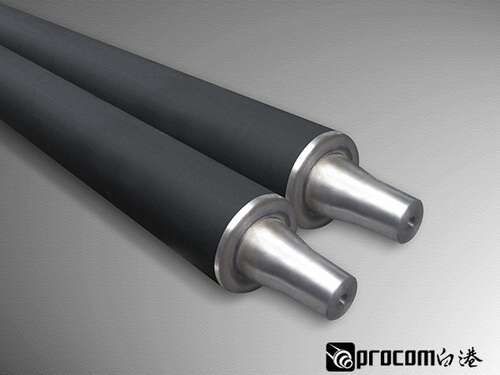
Carbon fiber rollers represent the pinnacle of composite material engineering. These cylindrical components are constructed using carbon fiber reinforced polymers (CFRP), which combine carbon fiber strands with a polymer resin matrix. The manufacturing process involves precise layering of carbon fiber fabrics in specific orientations to achieve optimal mechanical properties for each application.
The superior characteristics of carbon fiber rollers stem from carbon fibers’ unique atomic structure. With carbon atoms arranged in long, parallel chains, these fibers exhibit exceptional tensile strength (5-9 times stronger than steel by weight) while maintaining remarkable flexibility. When combined with appropriate resins, the resulting composite material demonstrates excellent fatigue resistance, thermal stability, and chemical inertness.
Industrial applications benefit significantly from these properties. In textile machinery, carbon fiber guide rollers reduce yarn breakage and improve fabric quality through their vibration-dampening characteristics. For wind turbine generators, carbon fiber connection shafts enable more efficient power transmission while withstanding extreme environmental conditions. Cooling tower systems utilize carbon fiber drive rollers to enhance reliability and reduce maintenance requirements in harsh operating environments.
Key Selection Criteria for Carbon Fiber Roller Manufacturers
Choosing the right manufacturer for your carbon fiber roller requirements involves evaluating several critical factors that impact both product quality and long-term partnership viability:
1. Material Expertise and R&D Capabilities
Leading manufacturers invest heavily in research and development to continuously improve their composite formulations and manufacturing processes. Look for companies with dedicated R&D facilities, partnerships with material science institutions, and a track record of innovation in carbon fiber applications. This expertise ensures access to the latest material advancements and custom solutions tailored to your specific operational challenges.
2. Manufacturing Precision and Quality Control
The production of high-performance carbon fiber rollers demands stringent quality control at every stage. Top manufacturers implement ISO 9001-certified quality management systems and employ advanced inspection equipment like coordinate measuring machines (CMM) and ultrasonic testing systems. These measures guarantee consistent dimensional accuracy, proper fiber alignment, and defect-free surfaces essential for reliable industrial performance.
3. Customization Capabilities
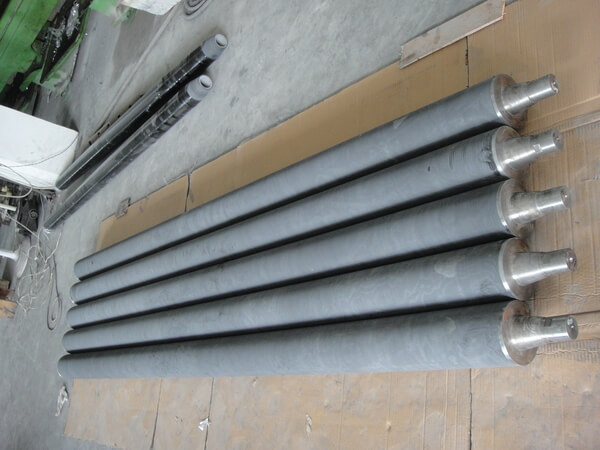
Industrial applications often require rollers with specific dimensions, surface finishes, or mechanical properties. A manufacturer’s ability to produce custom solutions is paramount. Evaluate their experience with various carbon fiber layup patterns, resin systems, and post-processing techniques like machining, polishing, or coating applications. The capacity to manufacture rollers up to 10 meters in length with diameters ranging from Φ40mm to Φ600mm demonstrates versatile production capabilities.
4. Industry-Specific Experience
While carbon fiber technology principles remain consistent, each industry presents unique challenges. Manufacturers with proven experience in your specific sector will better understand your operational requirements, environmental conditions, and performance expectations. For instance, a supplier familiar with textile machinery can recommend optimal surface finishes to minimize yarn friction, while those experienced in wind power applications will prioritize fatigue resistance for long-term reliability.
5. Technical Support and Service
The relationship with your roller manufacturer shouldn’t end at delivery. Look for companies offering comprehensive technical support, including installation guidance, maintenance recommendations, and troubleshooting assistance. Some leading manufacturers provide on-site inspections and performance monitoring services to help optimize your operations and extend component lifespans.
Spotlight on Nanjing Baigang Composite Materials Co., Ltd.
As a prime example of a specialized carbon fiber roller manufacturer, Nanjing Baigang Composite Materials Co., Ltd. demonstrates how focused expertise can create exceptional value for industrial clients. Established in 2003 and located in Nanjing’s Liuhe District, this high-tech enterprise has dedicated nearly two decades to perfecting carbon fiber composite solutions.
The company’s 18,000 square meter production facility houses advanced equipment including random signal and vibration analyzers, precision testing instruments, and computer-controlled manufacturing systems. This technical infrastructure supports their ability to design and produce carbon fiber rollers with exacting specifications for diverse applications.
Nanjing Baigang’s product portfolio includes:
- Carbon fiber guide rollers for textile machinery
- Carbon fiber connection shafts for wind turbines
- Carbon fiber drive rollers for cooling tower systems
- Custom-designed rollers for specialized industrial equipment
With over 4,000 installations across wind power, textile, paper manufacturing, and other sectors, the company has accumulated extensive application knowledge. Their engineering team collaborates closely with clients to develop optimized solutions, considering factors like load requirements, environmental conditions, and integration with existing systems.
Quality assurance remains central to Nanjing Baigang’s operations. The company maintains ISO 9001:2000 certification and implements rigorous testing protocols for every roller produced. Each component undergoes comprehensive evaluation using advanced measurement equipment to verify dimensional accuracy, surface quality, and structural integrity before shipment.
The company’s commitment to innovation is evident in their continuous investment in R&D. By exploring new carbon fiber formulations, resin systems, and manufacturing techniques, they consistently expand the performance boundaries of their products. This forward-thinking approach ensures clients receive components that not only meet current requirements but also incorporate the latest technological advancements.
| Product Feature | Benefit |
|---|---|
| Lightweight construction (60-70% lighter than steel) | Reduced energy consumption, easier handling and installation |
| High tensile strength (5-9 times stronger than steel by weight) | Ability to withstand heavy loads without deformation |
| Corrosion resistance | Long service life in harsh environments, reduced maintenance |
| Low thermal expansion | Maintains dimensional stability across temperature variations |
| Vibration dampening | Smoother operation, reduced noise levels |
FAQ
What industries benefit most from carbon fiber rollers?
Carbon fiber rollers find extensive applications in industries requiring lightweight yet durable rotating components. Key sectors include textile manufacturing (for guide rollers and tensioners), wind power generation (for connection shafts in turbines), cooling tower systems (for drive rollers), paper production (for press rollers), and various specialized industrial equipment where traditional materials cannot meet performance requirements.
How do carbon fiber rollers compare to aluminum or steel alternatives?
Compared to metal rollers, carbon fiber components offer several advantages: they’re 60-70% lighter while maintaining comparable or superior strength, completely corrosion-resistant, and exhibit lower thermal expansion. These properties translate to reduced energy consumption, longer service life in harsh environments, and improved operational stability. However, carbon fiber rollers typically have higher initial costs, which are often offset by lower maintenance requirements and longer lifespans.
Can carbon fiber rollers be customized for specific applications?
Yes, customization is a major strength of carbon fiber roller manufacturing. Reputable suppliers can produce rollers with precise dimensions (up to 10 meters long and diameters from Φ40mm to Φ600mm), specific surface finishes, and tailored mechanical properties. They can also incorporate features like keyways, flanges, or special coatings to meet unique application requirements.
What quality control measures should I expect from a carbon fiber roller manufacturer?
Leading manufacturers implement comprehensive quality control systems that should include: ISO 9001 certification, dimensional verification using precision measurement equipment, non-destructive testing (such as ultrasonic inspection) to detect internal defects, and performance testing under simulated operating conditions. Some suppliers also offer material traceability and batch testing reports for critical applications.
How does the manufacturing process affect carbon fiber roller performance?
The manufacturing process significantly impacts roller quality. Key factors include: fiber orientation (which determines strength characteristics), resin impregnation quality (affecting durability), curing temperature and time (influencing material properties), and machining precision (ensuring dimensional accuracy). Manufacturers with advanced equipment and skilled technicians can better control these variables to produce consistently high-quality rollers.
Summary
Selecting the right carbon fiber roller manufacturer requires careful consideration of technical capabilities, quality standards, customization options, and industry experience. As demonstrated by Nanjing Baigang Composite Materials Co., Ltd., specialized manufacturers can deliver significant value through their expertise in composite materials, advanced production facilities, and application-specific knowledge. By partnering with a supplier that understands your industry’s unique challenges, you can implement carbon fiber roller solutions that enhance operational efficiency, reduce maintenance costs, and improve overall product quality across your industrial applications.