
Selecting the right carbon fiber plate is crucial for ensuring optimal performance and durability in various industrial applications. Whether you’re working in wind power, textile machinery, cooling towers, or any other sector that demands high-strength, lightweight materials, understanding the nuances of carbon fiber plate selection can make all the difference. In this comprehensive guide, we’ll walk you through the key factors to consider, the applications of carbon fiber plates, and how to find a reliable supplier like Nanjing Baigang Composite Materials Co., Ltd.
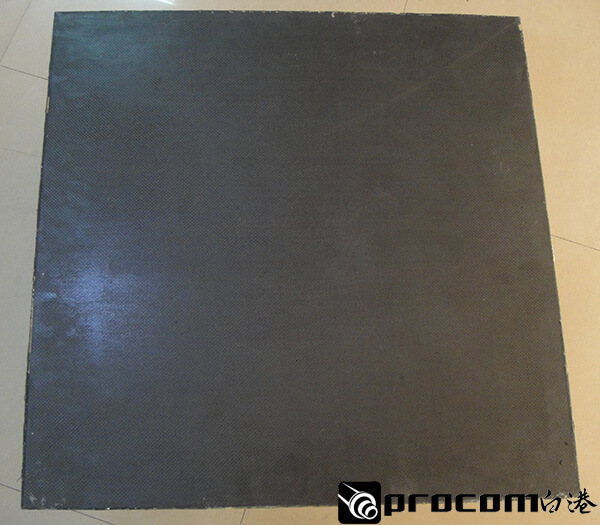
Understanding Carbon Fiber Plates
Carbon fiber plates are composite materials made from carbon fibers embedded in a resin matrix. They offer exceptional strength-to-weight ratios, corrosion resistance, and thermal stability, making them ideal for a wide range of industrial applications. The manufacturing process involves layering carbon fiber sheets and impregnating them with resin, followed by curing under heat and pressure to form a solid plate.
The quality of carbon fiber plates depends on several factors, including the type of carbon fibers used, the resin matrix, the manufacturing process, and the quality control measures in place. High-quality carbon fiber plates should be uniform in thickness, free from defects, and have consistent mechanical properties throughout the plate.
Key Factors to Consider When Selecting Carbon Fiber Plates
When selecting carbon fiber plates for your industrial needs, there are several key factors to consider:
1. Application Requirements
The first step in selecting the right carbon fiber plate is to understand your application requirements. Consider the load-bearing capacity, environmental conditions (such as temperature, humidity, and chemical exposure), and any specific performance characteristics needed (such as electrical conductivity or thermal insulation).
2. Material Properties
Carbon fiber plates come in various grades and types, each with its own set of material properties. The most common types are standard modulus, intermediate modulus, and high modulus carbon fibers. Standard modulus carbon fibers offer a good balance of strength and cost, while intermediate and high modulus fibers provide higher strength and stiffness at a higher cost.
Additionally, consider the resin matrix used in the carbon fiber plate. Epoxy resins are commonly used for their excellent mechanical properties and chemical resistance, while other resins like polyester or vinyl ester may be suitable for specific applications.
3. Dimensions and Tolerances
Ensure that the carbon fiber plate you select meets your required dimensions and tolerances. This includes thickness, width, length, and any specific cutouts or holes needed for your application. High-precision manufacturing processes can achieve tight tolerances, ensuring a perfect fit for your project.
4. Quality Certification
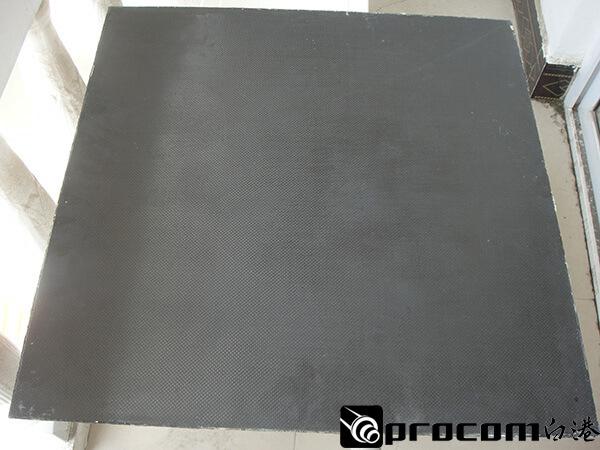
Look for carbon fiber plates that have been certified by reputable organizations such as ISO. Certification ensures that the plates meet specific quality standards and have undergone rigorous testing for mechanical properties, durability, and safety.
Nanjing Baigang Composite Materials Co., Ltd., for example, has passed ISO9001:2000 quality system certification and strictly adheres to quality control measures throughout the manufacturing process.
5. Supplier Reputation and Experience
Choosing a reputable and experienced supplier is crucial for ensuring the quality and reliability of your carbon fiber plates. Look for suppliers with a proven track record in the industry, positive customer reviews, and a wide range of products to meet your specific needs.
Nanjing Baigang Composite Materials Co., Ltd. has been professionally engaged in the research and production of carbon fiber products since its establishment in 2003. With advanced carbon fiber technology, excellent professionals, and a mature design calculation method, the company has accumulated rich experience in the field of mechanical power transmission.
Applications of Carbon Fiber Plates
Carbon fiber plates are used in a wide range of industrial applications due to their exceptional properties. Some common applications include:
- Wind Power: Carbon fiber connection shafts are widely used in wind turbines for their high strength-to-weight ratio and corrosion resistance, helping to improve energy efficiency and reduce maintenance costs.
- Cooling Towers: Carbon fiber transmission shafts are ideal for cooling tower fans due to their lightweight design, which reduces energy consumption and extends the lifespan of the fan.
- Textile Machinery: Carbon fiber guide rollers are used in textile machinery for their smooth surface finish, low friction coefficient, and excellent wear resistance, improving the quality and efficiency of textile production.
- Paper Making: Carbon fiber plates are used in paper making machinery for their high strength and corrosion resistance, helping to withstand the harsh operating conditions and improve the durability of the equipment.
- Other Industries: Carbon fiber plates are also used in shipbuilding, port equipment, film/lithium battery, packaging, and other industrial fields for their lightweight, high-strength, and corrosion-resistant properties.
Custom Carbon Fiber Plate Solutions
In addition to standard carbon fiber plates, many suppliers offer custom solutions to meet specific application requirements. Custom carbon fiber plates can be manufactured in various lengths, diameters, and shapes to fit your unique needs.
Nanjing Baigang Composite Materials Co., Ltd. provides custom carbon fiber tube manufacturing services with lengths up to 10 meters and diameters ranging from Φ40mm to Φ600mm. The company’s科研技术人员 (scientific research technicians) can work with you to explore new technologies, develop new processes, and provide technical consultation, services, and guidance to ensure the success of your project.
FAQ
What are the advantages of using carbon fiber plates in industrial applications?
Carbon fiber plates offer several advantages in industrial applications, including high strength-to-weight ratio, corrosion resistance, thermal stability, and excellent mechanical properties. These properties make carbon fiber plates ideal for applications that demand lightweight, durable, and high-performance materials.
How do I ensure the quality of carbon fiber plates?
To ensure the quality of carbon fiber plates, look for products that have been certified by reputable organizations such as ISO. Additionally, choose a reputable and experienced supplier with a proven track record in the industry and positive customer reviews. Inspect the plates for uniform thickness, freedom from defects, and consistent mechanical properties throughout the plate.
Can carbon fiber plates be customized for specific applications?
Yes, many suppliers offer custom carbon fiber plate solutions to meet specific application requirements. Custom carbon fiber plates can be manufactured in various lengths, diameters, and shapes to fit your unique needs. Work with a reputable supplier that has the capability to provide custom solutions and technical support.
What are the common applications of carbon fiber plates?
Carbon fiber plates are used in a wide range of industrial applications, including wind power, cooling towers, textile machinery, paper making, shipbuilding, port equipment, film/lithium battery, packaging, and more. Their exceptional properties make them ideal for applications that demand lightweight, durable, and high-performance materials.
How do I select the right carbon fiber plate supplier?
When selecting a carbon fiber plate supplier, consider factors such as reputation, experience, product range, quality certification, and customer service. Look for suppliers with a proven track record in the industry, positive customer reviews, and a wide range of products to meet your specific needs. Additionally, ensure that the supplier has the capability to provide custom solutions and technical support if needed.
Summary
Selecting the right carbon fiber plate is crucial for ensuring optimal performance and durability in various industrial applications. By considering factors such as application requirements, material properties, dimensions and tolerances, quality certification, and supplier reputation and experience, you can make an informed decision that meets your specific needs. Additionally, custom carbon fiber plate solutions are available to fit unique application requirements, providing flexibility and versatility in your projects. Choose a reputable and experienced supplier like Nanjing Baigang Composite Materials Co., Ltd. to ensure the quality and reliability of your carbon fiber plates.