
When it comes to selecting the ideal carbon fiber guide roller for your industrial applications, particularly in sectors like textile machinery, the decision can significantly impact your operational efficiency and product quality. Carbon fiber guide rollers are renowned for their lightweight, high strength, and corrosion-resistant properties, making them a preferred choice over traditional metal rollers. However, with numerous suppliers and options available, how do you ensure you’re making the right choice? This comprehensive guide will walk you through the essential factors to consider, customization possibilities, and tips for finding reliable suppliers.
Understanding Carbon Fiber Guide Rollers
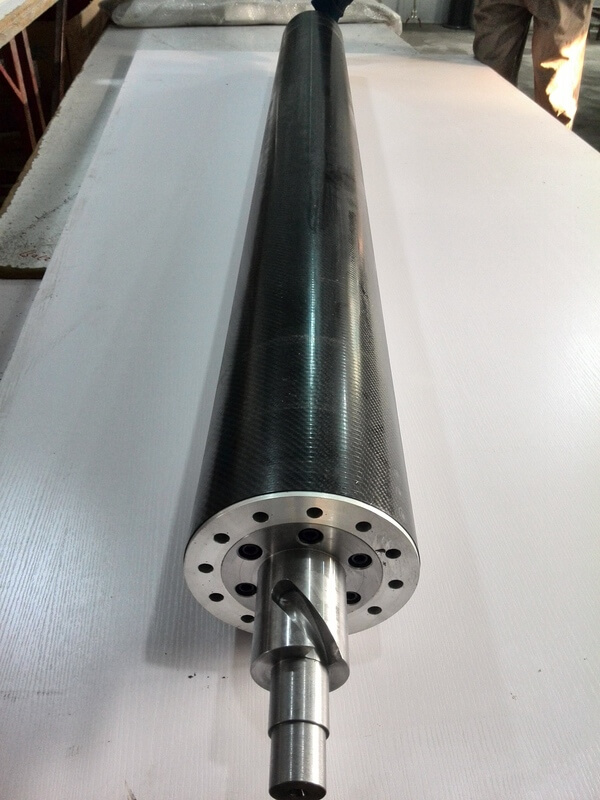
Carbon fiber guide rollers are precision-engineered components used to guide and support moving materials in various industrial processes. Their unique composition of carbon fibers embedded in a resin matrix gives them exceptional mechanical properties, including high tensile strength, low weight, and excellent resistance to wear and corrosion. These characteristics make them particularly suitable for applications where precision, durability, and reduced maintenance are crucial, such as in textile machinery, paper manufacturing, and film processing lines.
Key Factors to Consider When Selecting a Carbon Fiber Guide Roller
Choosing the right carbon fiber guide roller involves evaluating several critical factors to ensure it meets your specific operational requirements. Here are some key considerations:
1. Application Requirements
Begin by understanding the specific demands of your application. Consider factors such as the type of material being processed (e.g., fabric, paper, film), the speed of operation, the tension levels involved, and the environmental conditions (e.g., temperature, humidity, presence of corrosive substances). These factors will influence the roller’s design, size, and material specifications.
2. Roller Dimensions and Tolerances
Accurate dimensions are vital for ensuring proper fit and function. Pay attention to the roller’s diameter, length, and wall thickness, as well as any tolerances specified by the manufacturer. Tight tolerances are essential for applications requiring high precision, such as in textile printing or laminating processes.
3. Surface Finish and Coating
The surface finish of the roller affects its interaction with the processed material. A smooth, polished surface reduces friction and minimizes the risk of material damage or static buildup. Additionally, consider whether a special coating is needed to enhance the roller’s performance in specific environments, such as anti-static coatings for use with synthetic fabrics or food-grade coatings for hygienic applications.
4. Bearing and Shaft Design
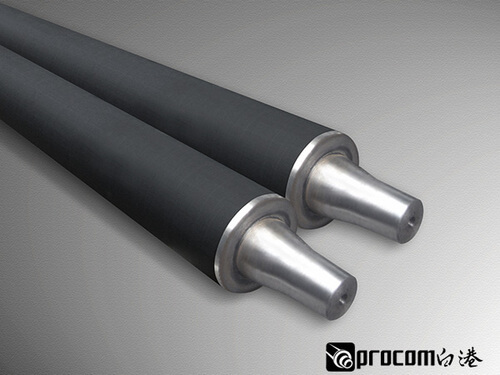
The roller’s bearings and shaft play a crucial role in its overall performance and longevity. Opt for high-quality bearings that can withstand the operational loads and speeds involved. Consider whether sealed or shielded bearings are more appropriate for your environment to prevent contamination and reduce maintenance needs. Additionally, ensure the shaft design is compatible with your machinery’s mounting requirements.
5. Manufacturer’s Expertise and Quality Control
Partnering with a reputable manufacturer with expertise in carbon fiber composites is essential. Look for companies that have a proven track record in designing and producing carbon fiber guide rollers for your industry. Inquire about their quality control processes, certifications (such as ISO 9001), and testing procedures to ensure the rollers meet the highest standards of reliability and performance.
Customization Options for Carbon Fiber Guide Rollers
One of the significant advantages of carbon fiber guide rollers is their versatility and the ability to customize them to meet specific needs. Here are some common customization options:
- Dimensions: Rollers can be manufactured in a wide range of diameters, lengths, and wall thicknesses to fit various machinery configurations.
- Surface Treatments: Custom surface finishes, coatings, and treatments can be applied to enhance performance in specific applications or environments.
- Bearing Configurations: Different bearing types and arrangements can be specified to accommodate varying loads and speeds.
- Material Composition: The carbon fiber to resin ratio can be adjusted to optimize the roller’s stiffness, strength, and weight according to your requirements.
- Special Features: Additional features such as flanges, grooves, or custom profiles can be incorporated to meet unique operational needs.
Finding Reliable Carbon Fiber Guide Roller Suppliers
With the growing demand for carbon fiber components, numerous suppliers have entered the market. However, not all suppliers are created equal. Here are some tips for finding a reliable and reputable supplier:
1. Research and Reviews
Start by researching potential suppliers online. Look for companies with a strong online presence, detailed product information, and customer testimonials. Reading reviews and case studies can provide valuable insights into the supplier’s reputation and the quality of their products.
2. Industry Experience
Choose a supplier with extensive experience in the carbon fiber composite industry, particularly in manufacturing guide rollers for your specific application. An experienced supplier is more likely to understand your unique needs and provide tailored solutions.
3. Technical Support and Consultation
A good supplier should offer technical support and consultation services to help you select the right roller for your application. They should be able to provide detailed specifications, answer your questions, and offer recommendations based on their expertise.
4. Sample Testing and Prototyping
If possible, request sample rollers or prototypes for testing in your actual operating environment. This allows you to evaluate the roller’s performance firsthand and make any necessary adjustments before placing a larger order.
5. After-Sales Support and Warranty
Ensure the supplier offers comprehensive after-sales support, including maintenance advice, troubleshooting assistance, and a warranty on their products. A reliable warranty indicates the supplier’s confidence in the quality and durability of their rollers.
FAQ
What makes carbon fiber guide rollers superior to traditional metal rollers?
Carbon fiber guide rollers offer several advantages over traditional metal rollers, including lower weight, higher strength-to-weight ratio, excellent corrosion resistance, and reduced maintenance needs. These properties make them ideal for applications requiring precision, durability, and efficiency.
How do I determine the right size and specifications for my carbon fiber guide roller?
To determine the right size and specifications, consider your application’s requirements, such as the type of material being processed, operational speed, tension levels, and environmental conditions. Consulting with a reputable supplier or manufacturer can also help you select the most suitable roller for your needs.
Can carbon fiber guide rollers be customized for specific applications?
Yes, carbon fiber guide rollers can be highly customized to meet specific application needs. Customization options include dimensions, surface finishes, coatings, bearing configurations, material composition, and special features like flanges or grooves.
How do I ensure the quality and reliability of a carbon fiber guide roller?
To ensure quality and reliability, choose a reputable supplier with extensive experience in carbon fiber composites. Look for companies that adhere to strict quality control processes, hold relevant certifications (such as ISO 9001), and offer warranties on their products. Requesting samples or prototypes for testing can also help verify the roller’s performance.
What maintenance is required for carbon fiber guide rollers?
Carbon fiber guide rollers generally require less maintenance than traditional metal rollers due to their corrosion-resistant properties and durable construction. However, regular inspection for wear or damage, cleaning to prevent contamination, and lubrication of bearings (if applicable) are recommended to ensure optimal performance and longevity.
Summary
Selecting the right carbon fiber guide roller is crucial for optimizing your industrial processes and achieving high-quality results. By considering factors such as application requirements, roller dimensions, surface finish, bearing design, and manufacturer expertise, you can make an informed decision that meets your specific needs. Additionally, leveraging customization options and partnering with a reliable supplier can further enhance the performance and reliability of your carbon fiber guide rollers. With the right roller in place, you can enjoy the benefits of reduced maintenance, improved efficiency, and extended service life, ultimately contributing to your overall operational success.