
When it comes to selecting carbon fiber tubes for industrial applications, the choices can be overwhelming. With numerous suppliers offering varying qualities and specifications, how do you ensure you’re making the right decision? This comprehensive guide will walk you through everything you need to know about carbon fiber tube selection, customization options, and applications across different industries.
Understanding Carbon Fiber Tube Basics
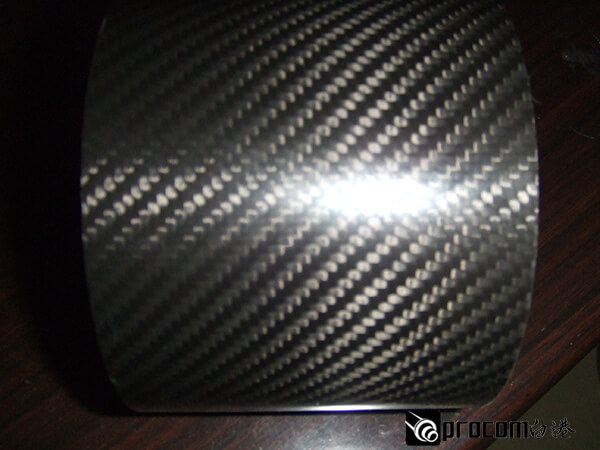
Carbon fiber tubes are composite materials consisting of carbon fiber reinforcement in a polymer matrix. This combination creates a lightweight yet incredibly strong structure that outperforms traditional materials like steel and aluminum in many applications. The tubes’ strength-to-weight ratio makes them ideal for industries where weight reduction is critical without compromising structural integrity.
The manufacturing process of carbon fiber tubes involves several precise steps. It begins with carbon fiber prepreg (pre-impregnated with resin) being wound around a mandrel in specific patterns. This winding process determines the tube’s final properties, including its strength, stiffness, and weight distribution. After winding, the assembly undergoes curing in an autoclave or oven under controlled temperature and pressure conditions to solidify the resin.
Nanjing Baigang Composite Materials Co., Ltd., located in Nanjing’s Luhe District, has specialized in carbon fiber product development since 2003. The company employs advanced design calculation methods, vibration analysis technology, and precision manufacturing equipment to produce high-quality carbon fiber tubes for various industrial applications.
Key Factors in Carbon Fiber Tube Selection
Choosing the right carbon fiber tube involves evaluating several critical factors that align with your specific application requirements:
1. Application Requirements
The first step in selection is understanding your application’s demands. Different industries have unique requirements:
- Wind Power: Requires tubes with high fatigue resistance and precise dimensional tolerances
- Cooling Tower Fans: Needs corrosion-resistant tubes that can withstand harsh environmental conditions
- Textile Machinery: Demands tubes with excellent vibration damping properties and smooth surfaces
- Marine Applications: Requires tubes resistant to saltwater corrosion and UV degradation
2. Dimensional Specifications
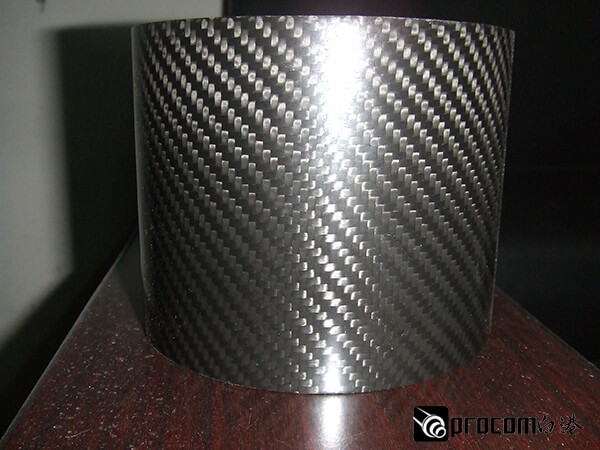
Precise dimensions are crucial for proper fit and function. Nanjing Baigang offers customization from 10 meters in length and diameters ranging from Φ40mm to Φ600mm. The company’s advanced manufacturing capabilities ensure tight tolerances and consistent quality across all dimensions.
3. Load-Bearing Capacity
Understanding your application’s load requirements helps determine the appropriate wall thickness and fiber orientation. The company’s engineering team uses sophisticated calculation methods to design tubes that meet specific load-bearing needs while optimizing weight.
4. Environmental Resistance
Different applications expose tubes to varying environmental conditions. Consider factors like:
- Temperature extremes
- Chemical exposure
- UV radiation
- Moisture and humidity
The company offers specialized coatings and resin systems to enhance environmental resistance for specific applications.
5. Quality Certification
Ensure your supplier meets international quality standards. Nanjing Baigang has been ISO9001:2000 certified since November 2006, implementing strict quality control measures throughout production. Each tube undergoes rigorous testing with random signal and vibration analysis equipment before delivery.
Customization Options for Carbon Fiber Tubes
One of the significant advantages of working with Nanjing Baigang is their extensive customization capabilities. The company understands that standard products may not always meet specific project requirements, which is why they offer tailored solutions:
1. Dimensional Customization
With the ability to produce tubes up to 10 meters long and diameters from Φ40mm to Φ600mm, the company can accommodate virtually any industrial requirement. This flexibility is particularly valuable for specialized machinery or unique structural applications.
2. Fiber Orientation
The direction of carbon fibers significantly impacts a tube’s properties. By adjusting the fiber winding pattern, the company can create tubes optimized for:
- Axial loading (longitudinal strength)
- Torsional resistance (twisting forces)
- Bending stiffness
- Multi-directional load-bearing
3. Resin Systems
Different resin systems offer varying properties:
| Resin Type | Key Properties | Best For |
|---|---|---|
| Epoxy | High strength, excellent chemical resistance | General industrial applications |
| Vinyl Ester | Superior corrosion resistance | Chemical processing, marine |
| Polyester | Cost-effective, good weather resistance | Less demanding applications |
| Phenolic | High temperature resistance, flame retardant | Aerospace, high-temp environments |
4. Surface Treatments
Surface finishes can be customized to meet specific needs:
- Smooth Finish: Reduces friction for dynamic applications
- Textured Finish: Enhances grip for manual handling
- Coated Surfaces: Provides additional protection against environmental factors
- Colored Options: For identification or aesthetic purposes
5. End Fittings and Connections
The company can integrate various end fittings during manufacturing, including:
- Threaded inserts
- Flange connections
- Custom attachment points
- Integrated sensors or wiring channels
Industry-Specific Applications of Carbon Fiber Tubes
Nanjing Baigang’s carbon fiber tubes serve diverse industries, each with unique requirements:
1. Renewable Energy Sector
In wind power applications, carbon fiber tubes serve as drive shafts in wind turbines. Their high fatigue resistance and lightweight properties improve turbine efficiency and reduce maintenance costs. The company’s tubes have been successfully implemented in numerous wind farms worldwide.
2. Cooling Systems
For cooling tower fans, carbon fiber tubes offer superior corrosion resistance compared to traditional metal shafts. This resistance extends equipment life and reduces downtime in harsh industrial environments where moisture and chemicals are prevalent.
3. Textile Manufacturing
In textile machinery, carbon fiber导辊 (guide rollers) provide precise tension control with minimal vibration. This precision improves fabric quality while reducing energy consumption and maintenance requirements.
4. Marine Applications
The marine industry benefits from carbon fiber tubes’ resistance to saltwater corrosion and UV degradation. Applications include masts, booms, and structural components in various watercraft, from recreational boats to commercial vessels.
5. Construction and Infrastructure
Carbon fiber tubes are increasingly used in construction for reinforcement and formwork applications. Their high strength-to-weight ratio allows for innovative structural designs while reducing overall material usage.
FAQ
What makes carbon fiber tubes superior to traditional materials?
Carbon fiber tubes offer several advantages over steel or aluminum, including significantly higher strength-to-weight ratios, better corrosion resistance, and improved fatigue performance. These properties make them ideal for applications where weight reduction is critical without compromising structural integrity.
How does Nanjing Baigang ensure product quality?
The company maintains ISO9001:2000 certification and implements strict quality control measures throughout production. Each tube undergoes testing with advanced equipment including random signal and vibration analyzers before delivery to ensure it meets specified performance criteria.
What customization options are available for carbon fiber tubes?
Nanjing Baigang offers extensive customization including dimensions up to 10m length and Φ40-600mm diameters, various fiber orientations, different resin systems, specialized surface treatments, and integrated end fittings. This flexibility allows for tailored solutions to meet specific application requirements.
How do I determine the right carbon fiber tube for my application?
Selection depends on factors like load requirements, environmental conditions, dimensional needs, and budget. The company’s engineering team can provide expert guidance based on your specific application parameters to recommend the optimal tube specification.
What industries commonly use carbon fiber tubes?
Carbon fiber tubes serve diverse sectors including renewable energy (wind power), cooling systems, textile machinery, marine applications, construction, and more. Their versatility makes them suitable for any application requiring lightweight, high-strength components.
Summary
Selecting the right carbon fiber tube requires careful consideration of your application’s specific requirements. Nanjing Baigang Composite Materials Co., Ltd. offers a comprehensive solution with their advanced manufacturing capabilities, extensive customization options, and commitment to quality. With over 4,000 successful applications across various industries and ISO9001 certification, the company provides reliable, high-performance carbon fiber tubes tailored to your needs.
Whether you require standard tubes or fully customized solutions, their team of experts can guide you through the selection process, ensuring you receive components that optimize performance while reducing overall system weight and maintenance requirements. The company’s location in Nanjing’s strategic Luhe District provides excellent transportation links for efficient global distribution.