
When it comes to selecting the ideal carbon fiber coupling shaft for your industrial applications, the decision carries significant weight. These components serve as critical links in power transmission systems, especially in demanding environments like wind turbines, cooling tower fans, and textile machinery. As a leading manufacturer based in Nanjing, China, Nanjing Baigang Composite Materials Co., Ltd. has established itself as a trusted partner for businesses worldwide seeking reliable, high-performance carbon fiber solutions.
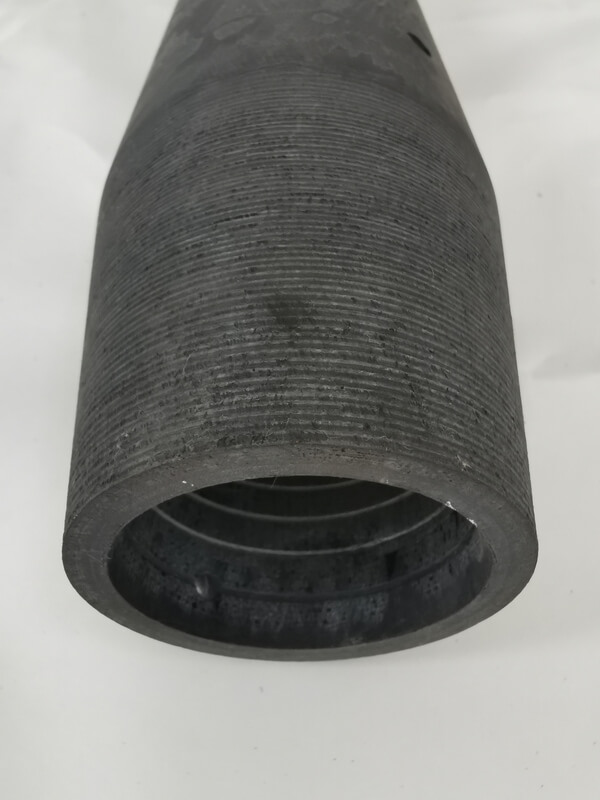
Understanding Carbon Fiber Coupling Shafts
Carbon fiber coupling shafts represent the pinnacle of modern power transmission technology. These lightweight yet incredibly strong components combine carbon fiber’s exceptional properties with precise engineering to create shafts that outperform traditional metal alternatives in several key ways:
- Superior strength-to-weight ratio: Carbon fiber shafts weigh approximately 40% less than steel while maintaining comparable or superior strength
- Excellent vibration damping: The composite material naturally absorbs vibrations, reducing wear on connected components and improving system longevity
- Corrosion resistance: Unlike metal shafts, carbon fiber doesn’t rust or degrade when exposed to moisture or chemicals
- Dimensional stability: Carbon fiber maintains its shape across wide temperature ranges, ensuring consistent performance
At Nanjing Baigang, we’ve perfected the manufacturing process through years of R&D and practical application. Our carbon fiber coupling shafts undergo rigorous testing using advanced equipment like random signal and vibration analyzers before ever reaching our customers. This commitment to quality has helped us supply over 4,000 shafts to diverse industries since our founding in 2003.
Key Applications of Carbon Fiber Coupling Shafts
The versatility of carbon fiber coupling shafts makes them valuable across multiple sectors. Let’s examine some of the most common applications where our products excel:
Wind Power Generation
In wind turbines, coupling shafts connect the gearbox to the generator, transferring rotational energy while accommodating misalignment. Our carbon fiber shafts offer several advantages:
- Reduced nacelle weight, enabling larger turbines or simplified tower designs
- Lower rotational inertia for faster startup and shutdown cycles
- Extended service life due to superior fatigue resistance
One of our major clients in the renewable energy sector reported a 15% increase in overall turbine efficiency after switching to our carbon fiber coupling shafts, along with a 20% reduction in maintenance costs related to shaft replacement.
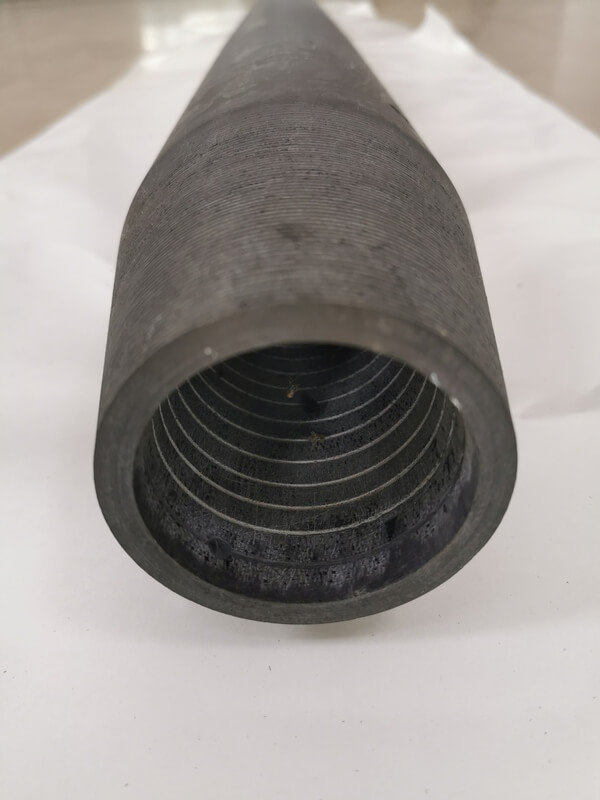
Cooling Tower Systems
Cooling tower fans operate in harsh environments with constant exposure to moisture and chemical treatments. Our carbon fiber coupling shafts provide:
- Complete immunity to corrosion, eliminating rust-related failures
- Reduced weight for easier maintenance and replacement
- Vibration damping that minimizes noise and wear on fan blades
A leading HVAC manufacturer in Europe switched to our shafts after experiencing frequent failures with their previous steel components. Over three years of operation, they’ve reported zero shaft-related downtime and significant savings on replacement parts.
Textile Machinery
The textile industry demands precision and reliability from its components. Our carbon fiber coupling shafts offer:
- Minimal thermal expansion for consistent tension control
- Smooth operation that reduces fabric snags and breaks
- Long service life even in 24/7 production environments
A major Asian textile equipment manufacturer incorporated our shafts into their latest loom designs, resulting in a 12% increase in production speed and a 25% reduction in yarn waste due to improved component reliability.
Customization Capabilities: Meeting Your Unique Requirements
At Nanjing Baigang, we understand that no two applications are exactly alike. That’s why we offer comprehensive customization services for all our carbon fiber products, including coupling shafts. Our capabilities include:
| Customization Parameter | Available Options |
|---|---|
| Length | Up to 10 meters |
| Diameter | Φ40mm – Φ600mm |
| End Fittings | Flange, keyway, spline, or custom designs |
| Material Grade | Standard or high-modulus carbon fiber |
| Surface Finish | Natural, gloss, or custom colors |
Our engineering team works closely with customers to develop optimal solutions for their specific requirements. We utilize advanced finite element analysis (FEA) to simulate performance under various loads and conditions, ensuring your custom shaft will perform reliably in real-world applications.
Quality Assurance: Our Commitment to Excellence
When selecting a carbon fiber coupling shaft supplier, quality should be your top priority. At Nanjing Baigang, we’ve implemented rigorous quality control measures throughout our manufacturing process:
- ISO 9001:2000 Certification: Our quality management system ensures consistent production standards and continuous improvement
- Material Traceability: We maintain complete records of all raw materials from receipt through final inspection
- In-Process Testing: Multiple checkpoints throughout manufacturing verify dimensional accuracy and structural integrity
- Final Inspection: Every shaft undergoes comprehensive testing including vibration analysis, torque testing, and dimensional verification before shipment
This commitment to quality has earned us long-term partnerships with clients in over 20 countries across five continents. Our repeat business rate exceeds 85%, a testament to the reliability and performance of our products.
FAQ
What makes carbon fiber coupling shafts better than steel alternatives?
Carbon fiber shafts offer several advantages including 40% lighter weight, superior vibration damping, complete corrosion resistance, and better fatigue performance. These benefits lead to longer service life, reduced maintenance costs, and improved overall system efficiency.
How do you ensure the quality of your carbon fiber coupling shafts?
We maintain ISO 9001:2000 certification and implement strict quality control at every stage of production. This includes material traceability, in-process inspections, and final testing using advanced equipment like vibration analyzers. Every shaft must pass our rigorous quality checks before shipment.
Can you manufacture coupling shafts to my exact specifications?
Absolutely. We specialize in custom solutions and can produce shafts up to 10 meters long with diameters from Φ40mm to Φ600mm. Our engineering team works with you to develop optimal designs for your specific application requirements.
What industries commonly use carbon fiber coupling shafts?
Our shafts serve diverse sectors including wind power generation, HVAC cooling towers, textile machinery, paper production, marine equipment, and more. Any application requiring reliable power transmission with minimal maintenance can benefit from carbon fiber technology.
How do I select the right carbon fiber coupling shaft for my application?
Key considerations include operating torque, rotational speed, environmental conditions, and space constraints. Our technical team can help you analyze these factors and recommend the ideal shaft design and material grade for your specific needs.
Summary
Selecting the right carbon fiber coupling shaft supplier requires careful consideration of manufacturing expertise, quality standards, customization capabilities, and industry experience. Nanjing Baigang Composite Materials Co., Ltd. stands out as a trusted partner with over two decades of specialization in carbon fiber technology.
Our commitment to innovation, quality, and customer service has made us a preferred supplier for businesses worldwide. Whether you need standard components or custom solutions, we have the capabilities to deliver products that meet your exact requirements and exceed your performance expectations.
Contact us today to discuss your carbon fiber coupling shaft needs and discover how our advanced solutions can help improve your operations, reduce maintenance costs, and enhance overall system reliability.