In the rapidly evolving field of industrial components, carbon fiber coupling shafts have emerged as game-changing solutions for power transmission applications. As a leading manufacturer based in Nanjing, China, Nanjing Baigang Composite Materials Co., Ltd. has been at the forefront of this technological revolution since 2003. Specializing in carbon fiber and glass fiber composite materials, our company combines advanced manufacturing techniques with rigorous quality control to deliver high-performance components that meet the most demanding industrial requirements.
The Evolution of Carbon Fiber in Industrial Applications
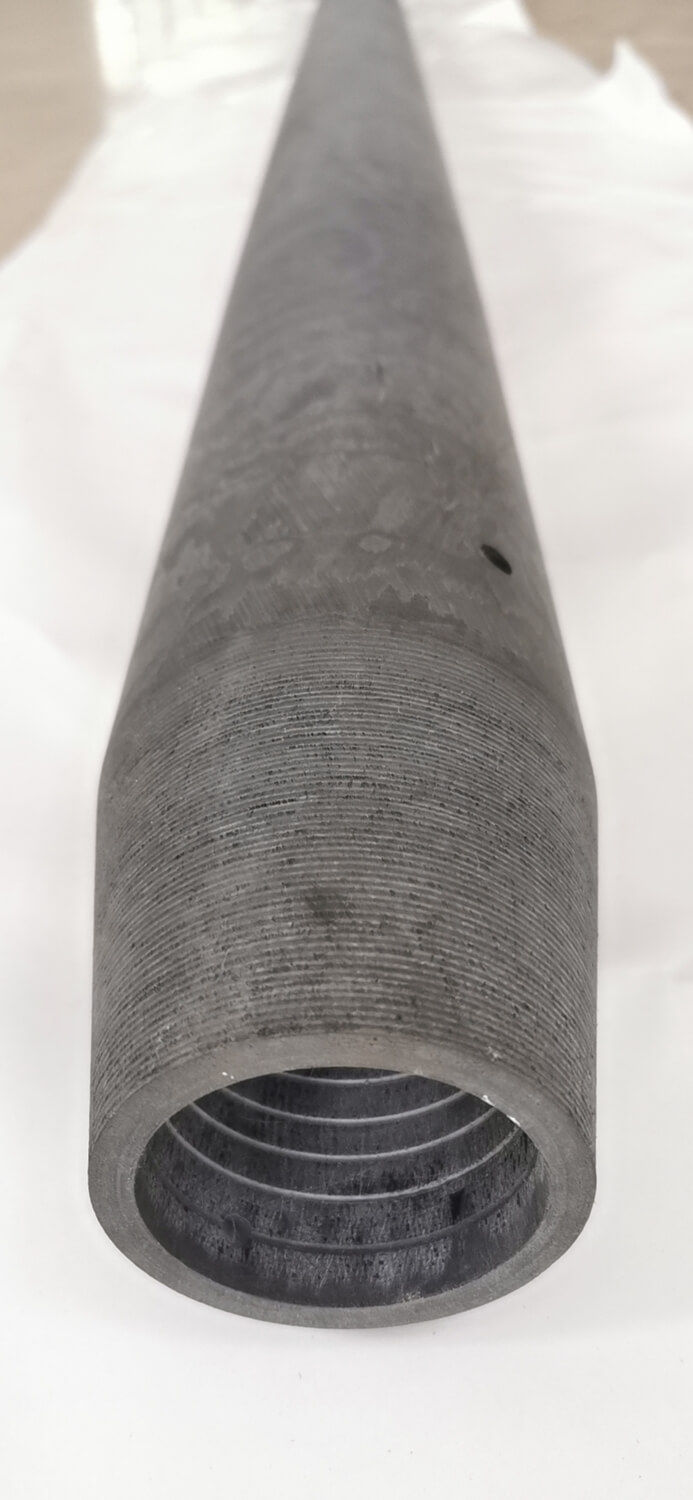
Carbon fiber technology has transformed from a niche material to an industrial standard over the past two decades. At Nanjing Baigang, we witnessed this transformation firsthand, starting our journey with basic carbon fiber components and evolving into a comprehensive solutions provider for multiple industries. Our early adoption of vibration analysis and random signal testing techniques in 2003 gave us a competitive edge in understanding material behavior under dynamic loads – a crucial factor in power transmission applications.
The shift from traditional steel shafts to carbon fiber alternatives wasn’t immediate. It required years of R&D to perfect the manufacturing process, optimize fiber orientation, and develop reliable bonding techniques. By 2006, we had established a mature design methodology that combined finite element analysis with empirical testing data, enabling us to predict component performance with remarkable accuracy. This scientific approach to development laid the foundation for our current position as a trusted carbon fiber coupling shaft manufacturer.
Core Manufacturing Capabilities
Our production facilities in Nanjing’s Liuhe District feature some of the most advanced equipment in the composite materials industry. The manufacturing process begins with precision winding machines capable of controlling fiber tension to within ±0.5N, ensuring consistent material properties throughout each component. This is particularly critical for coupling shafts where uniform stress distribution is essential for reliable operation.
The curing process utilizes computer-controlled autoclaves that maintain precise temperature and pressure profiles. Each batch is monitored through embedded sensors that provide real-time data on resin flow and cure progression. This level of control enables us to produce components with void contents below 1%, significantly enhancing mechanical properties compared to traditional manufacturing methods.
Quality Assurance Systems
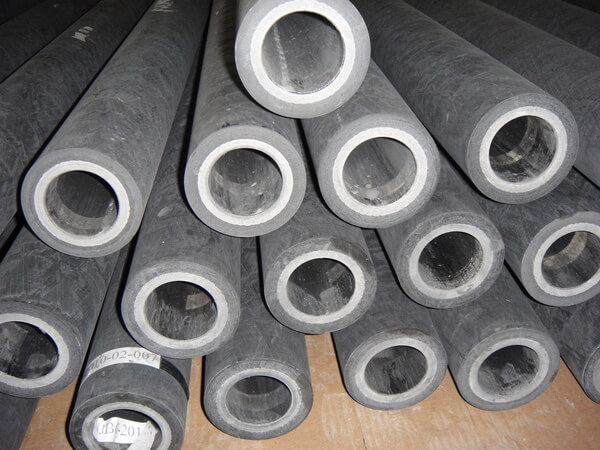
Since achieving ISO 9001:2000 certification in 2006 (currently operating under ISO 9001:2015), we’ve implemented a comprehensive quality management system that covers every stage of production. Each carbon fiber coupling shaft undergoes multiple inspection points:
- Dimensional verification using CMM (Coordinate Measuring Machine) with ±0.02mm accuracy
- Ultrasonic testing for internal defects with 100% coverage
- Dynamic balancing up to G2.5 grade for high-speed applications
- Torsional stiffness testing under simulated operating conditions
- Fatigue testing to 10 million cycles for critical components
Our testing laboratory features vibration shakers capable of reproducing real-world operating conditions, allowing us to validate component performance before delivery. This rigorous approach to quality control has resulted in a field failure rate below 0.3% over our 4000+ installed components worldwide.
Custom Solution Development
One of our key differentiators as a carbon fiber coupling shaft manufacturer is our ability to create custom solutions for unique applications. The process begins with a detailed analysis of the customer’s requirements, including operating environment, load profiles, and space constraints. Our engineering team then develops multiple design concepts using proprietary software that simulates fiber behavior under complex loading conditions.
For a recent project in the offshore wind sector, we developed a coupling shaft that needed to withstand saltwater corrosion while maintaining torsional stiffness at extreme temperatures. The solution combined carbon fiber with a specialized epoxy resin system and incorporated a sacrificial zinc coating for cathodic protection. This component has now been operating reliably for over 5 years in harsh marine conditions.
| Customization Parameter | Available Options |
|---|---|
| Length | Up to 10 meters (32.8 feet) |
| Diameter | Φ40mm to Φ600mm (1.57″ to 23.62″) |
| Fiber Type | Standard modulus, intermediate modulus, high modulus |
| Surface Finish | Natural fiber, gloss paint, anti-corrosion coating |
| End Fittings | Flange, spline, keyway, threaded, custom interfaces |
Industry Applications
Our carbon fiber coupling shafts serve diverse industries, each with unique performance requirements:
Wind Turbine Applications
In the renewable energy sector, our components play critical roles in both onshore and offshore wind turbines. The lightweight nature of carbon fiber (approximately 1/4 the density of steel) allows for longer shaft designs without sacrificing stiffness. This enables more compact nacelle designs and reduces tower head mass, lowering overall system costs. Our wind turbine coupling shafts typically feature:
- Torsional stiffness optimization for variable speed operation
- Fatigue resistance for 20+ year service life
- Corrosion protection for offshore environments
- Balancing to G1 grade for smooth operation
Cooling Tower Fan Drives
For industrial cooling towers, our carbon fiber drive shafts offer significant advantages over traditional steel components. The reduced weight decreases bearing loads, extending maintenance intervals and reducing energy consumption. Specific benefits include:
- 40-60% weight reduction compared to steel
- Improved vibration characteristics
- Resistance to chemical exposure from cooling water treatments
- Temperature resistance from -40°C to +80°C (-40°F to +176°F)
FAQ
What makes carbon fiber coupling shafts superior to steel alternatives?
Carbon fiber components offer several advantages: 1) Weight reduction of 40-70% without sacrificing strength, 2) Higher fatigue resistance for longer service life, 3) better vibration damping characteristics, and 4) corrosion resistance in harsh environments. Our testing shows carbon fiber shafts typically last 3-5 times longer than steel under comparable loading conditions.
How do you ensure quality consistency in mass production?
We implement multiple quality control measures: 1) Automated fiber winding with real-time tension monitoring, 2) 100% ultrasonic inspection for internal defects, 3) batch-specific material traceability, and 4) statistical process control (SPC) for critical dimensions. Each component comes with a detailed test report documenting all quality checks.
What customization options are available for special applications?
Our customization capabilities include: 1) Lengths up to 10 meters, 2) Diameters from 40mm to 600mm, 3) Specialized fiber orientations for specific load cases, 4) Temperature-resistant resin systems (-50°C to +150°C), and 5) Custom end fittings including flanges, splines, and threaded connections. We also offer protective coatings for corrosive environments.
How do you handle international shipping and customs clearance?
As an experienced exporter, we manage all aspects of international logistics: 1) Professional packaging with VCI (Volatile Corrosion Inhibitor) protection, 2) Export documentation including certificates of origin and material test reports, 3) Coordination with freight forwarders for door-to-door delivery, and 4) Customs clearance support through our network of agents worldwide. We’ve successfully delivered to over 30 countries across 5 continents.
Summary
Nanjing Baigang Composite Materials stands as a premier carbon fiber coupling shaft manufacturer with nearly two decades of specialized experience. Our commitment to innovation, quality, and customer service has resulted in over 4000 successful installations across multiple industries worldwide. By combining advanced manufacturing techniques with rigorous testing protocols, we deliver components that consistently exceed customer expectations in performance and reliability. Whether you require standard products or custom solutions for unique applications, our engineering team is ready to collaborate on your next project.